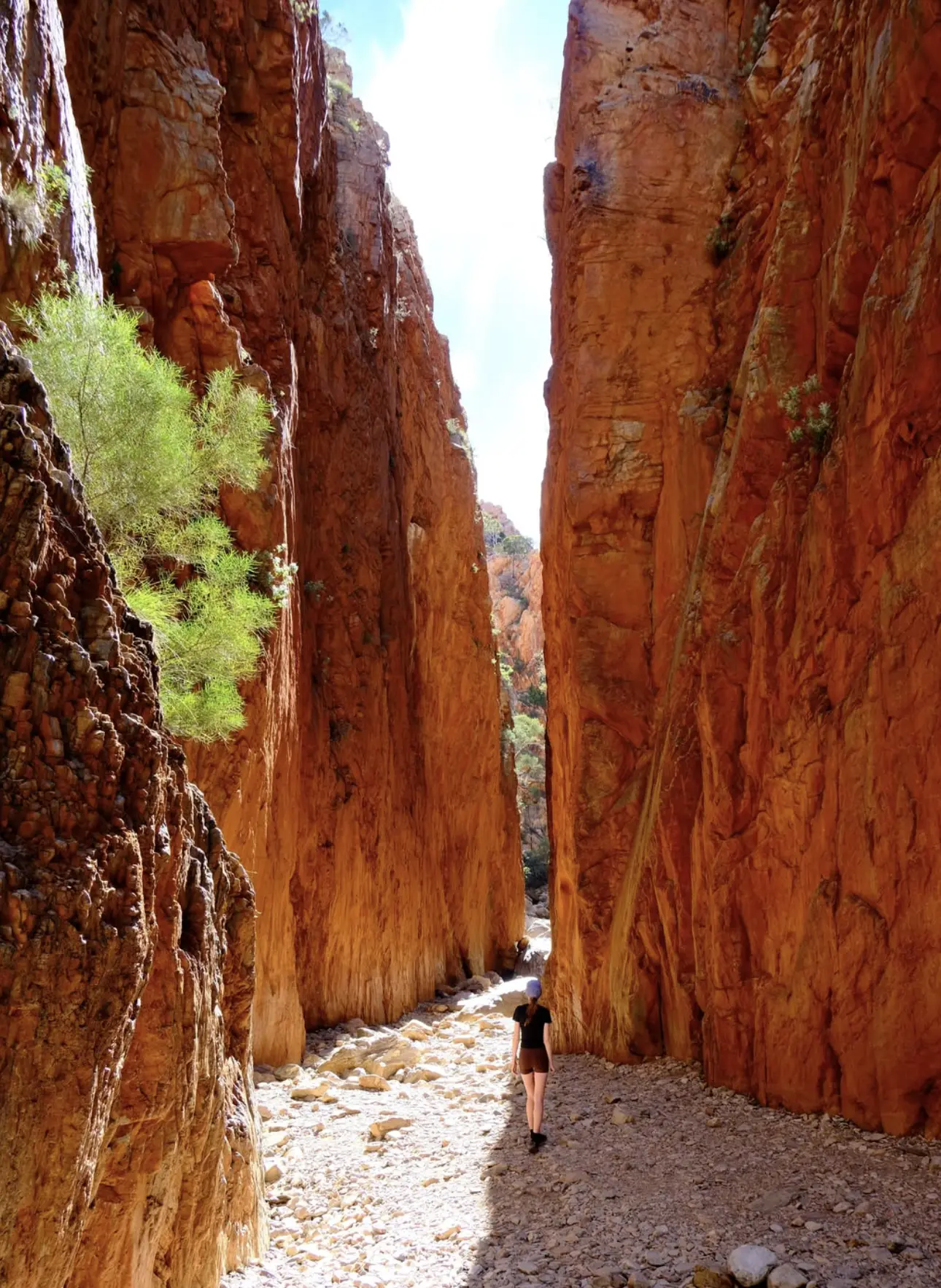
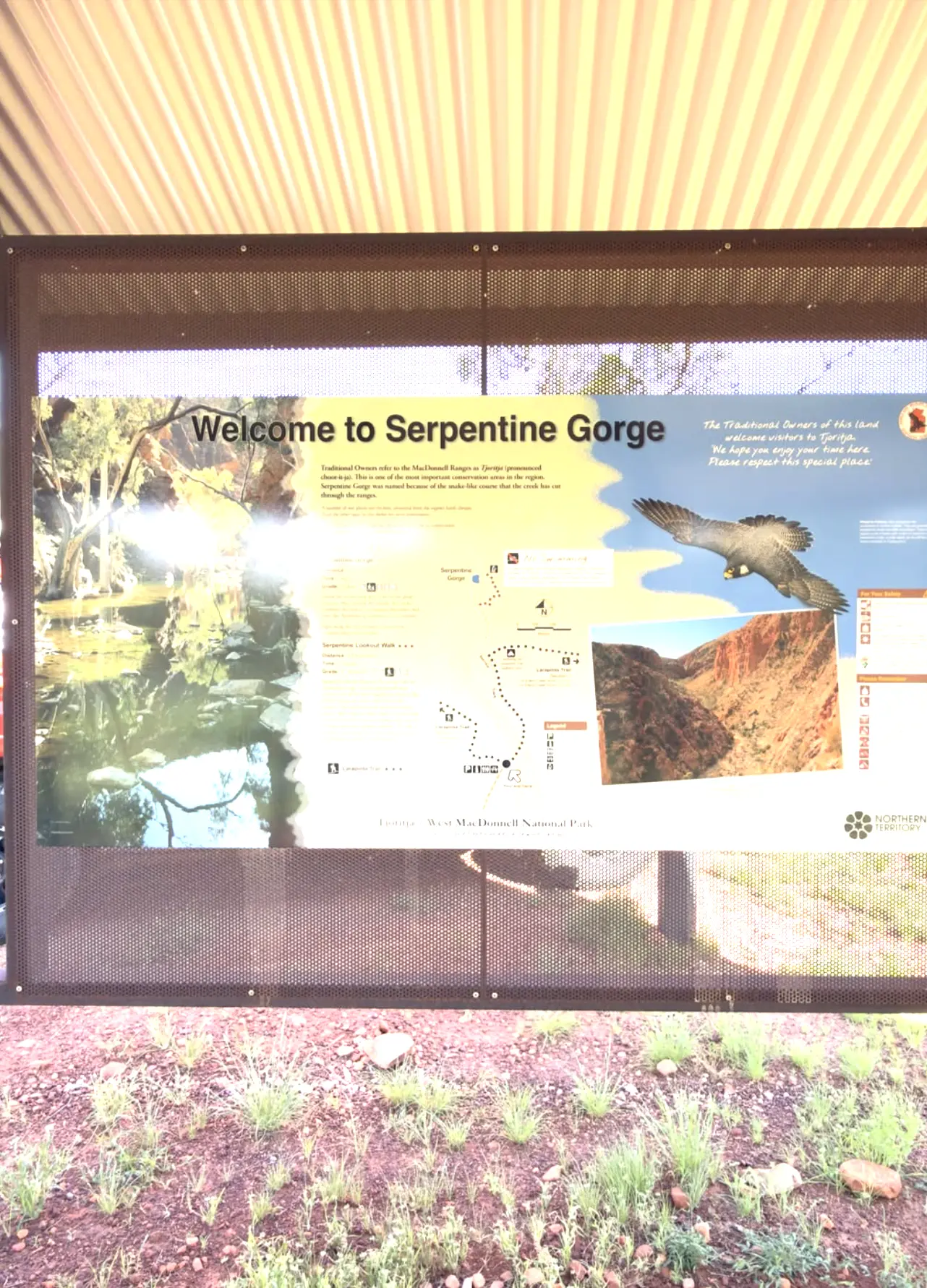
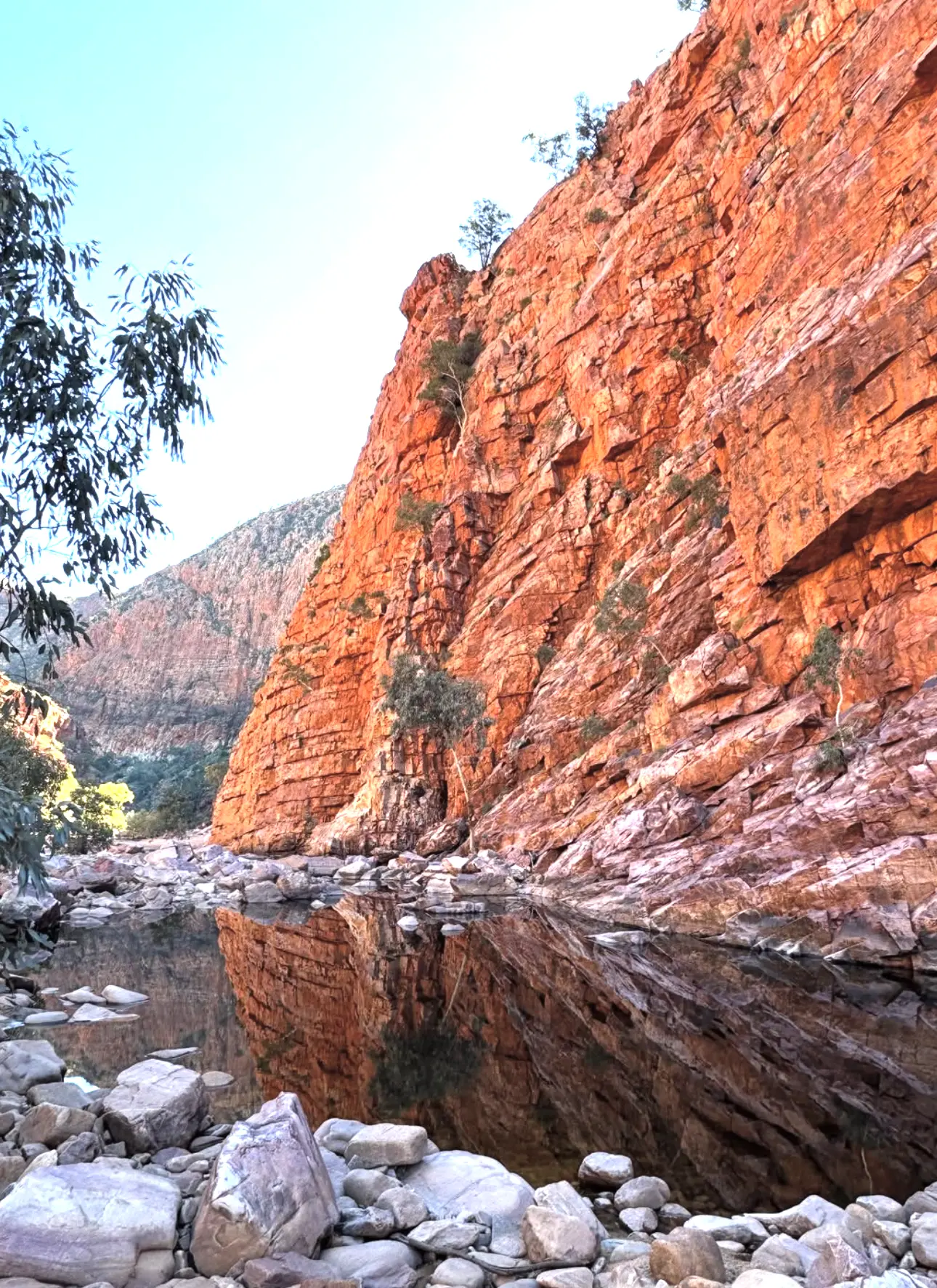
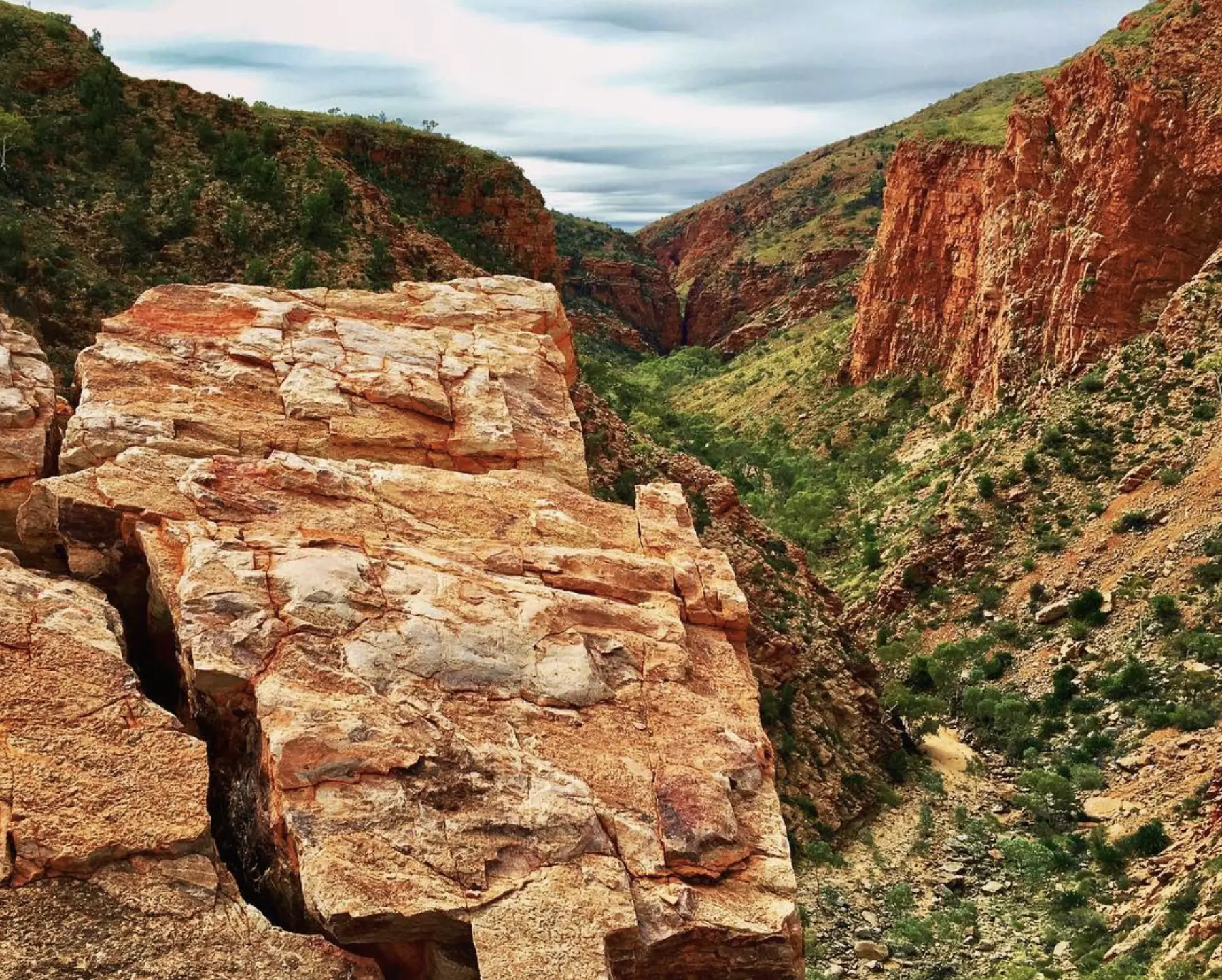
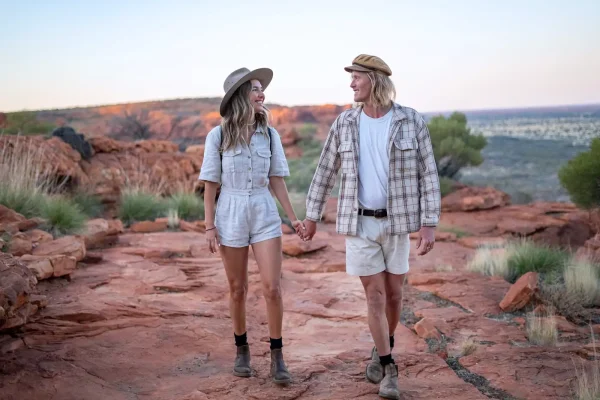
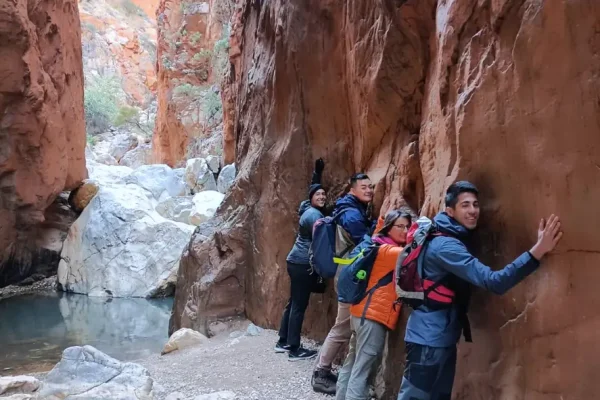
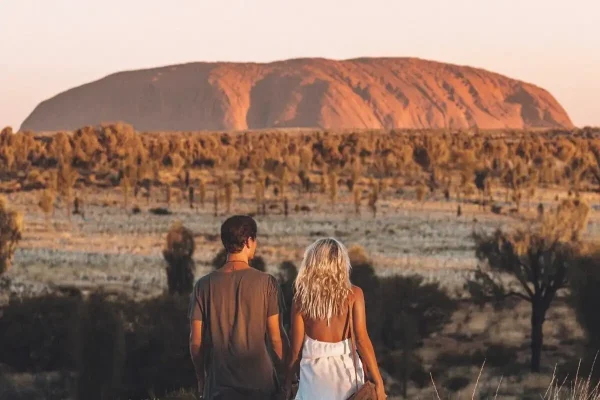
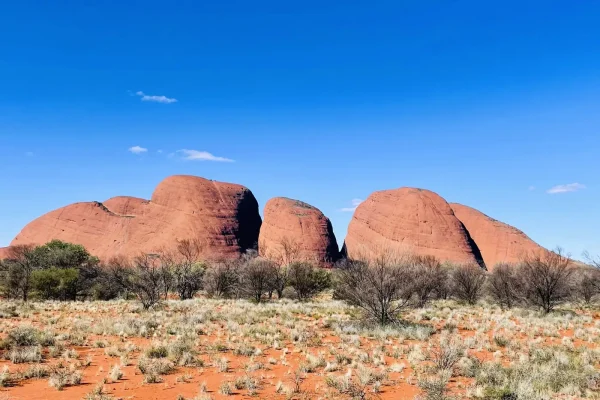
Serpentine Gorge is one of those hidden gems that rewards travellers willing to venture a little farther off the beaten track. Nestled between Alice Springs and Glen Helen Gorge in the West MacDonnell Ranges, this quiet gorge offers a completely different atmosphere from some of the region’s busier attractions. Here, it’s all about still water, red rock landscapes, and a sense of peaceful solitude.
Table of Contents
History That Goes Way Back
Like much of the West MacDonnell Ranges, Serpentine Gorge lies on the traditional lands of the Western Arrernte People, who have cared for Country and shared its stories for tens of thousands of years.
The gorge forms part of the Yeperenye (Caterpillar) Dreaming, one of the key ancestral stories that shape the landscape of the MacDonnell Ranges.
The name “Serpentine” was recorded in the 1870s by explorer Gilbert McMinn during surveys of the telegraph line, inspired by the winding shape of the gorge. Yet the true history stretches back much further—ancient seabeds transformed into stone, folded by geological forces and carved by desert floods over millions of years.
Visitors are encouraged to be respectful of this culturally significant place. Some waterholes are considered sensitive, and swimming restrictions should always be observed. Take time to read the interpretive signage that shares Arrernte stories and cultural knowledge.
Getting to This Gorge
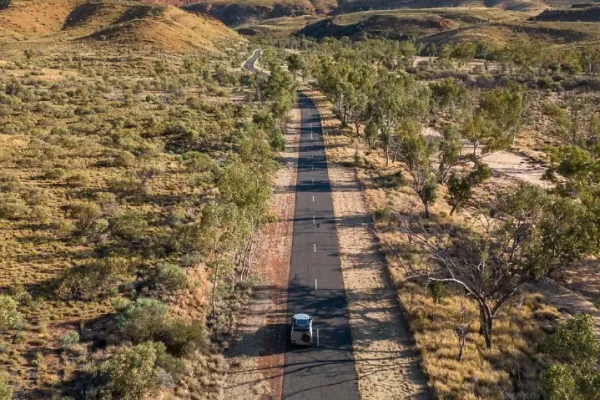
Serpentine Gorge sits approximately 100 km west of Alice Springs, accessible via Larapinta Drive followed by an unsealed access road.
While conventional two-wheel-drive vehicles may reach the site during the dry season, a high-clearance 4WD is recommended—particularly after rain, when road conditions can deteriorate quickly.
The drive passes several well-known attractions including Simpsons Gap, the Ochre Pits, and Glen Helen Gorge. The final stretch is remote and offers no mobile reception, so offline maps and printed navigation are strongly advised.
Visitors require an NT Parks Pass to enter Tjoritja / West MacDonnell National Park, which covers multiple attractions throughout the region.
When Is the Best Time to Visit
The ideal time to visit is between April and September, when temperatures are cooler and walking conditions are far more comfortable.
Season
Temperature Range
Rainfall
Conditions
April–May
16–28 °C
Low
Cool mornings and mild afternoons
June–August
10–25 °C
Very low
Ideal hiking weather
September–October
20–35 °C
Increasing
Warmer days and more flies
November–March
25–45 °C
Moderate–High
Extreme heat and possible road closures
During summer, temperatures frequently exceed 40 °C. Early morning and late afternoon are the safest times to explore.
A Must-Stop on the Larapinta Trail
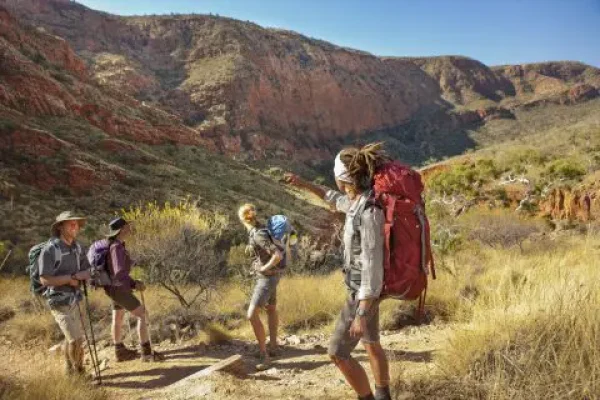
While many travellers focus on famous sites like Ormiston Gorge, Ellery Creek Big Hole, or Standley Chasm, Serpentine Gorge offers something different: quiet landscapes and a sense of remoteness.The gorge lies near sections 7 and 8 of the renowned Larapinta Trail, making it a popular stop for long-distance hikers seeking a peaceful campsite.
You’ve got a couple of main routes to choose from here – both relatively short out-and-back trails, but with pretty different scenery and difficulty levels.
The Gorge Walk
This is a gentle little out-and-back trail of about 1.3 km return that follows a sandy creek bed into the shaded waterhole. To respect cultural significance, you can’t swim here – but it makes for a cracking place to snap some photos, have a quiet word with the rocks, or just take a breather.
The best time for photography is early morning when the light is soft.
Not much shade along the track, so you’ll need a hat.
Watch your step – the rock can be loose.
The Lookout Walk
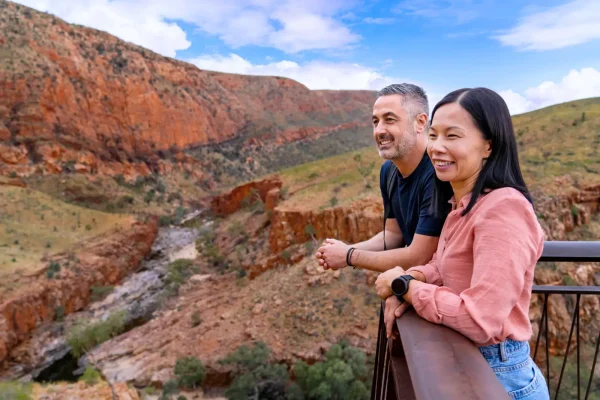
The Serpentine Gorge Lookout Walk takes you on a 1.2 km climb in one direction – then you get to do it all again on the way back (so – 2.4 km total). It’s a bit of a moderate climb with some elevation gain & rocky terrain, but the views make it well worth the effort.
Trail Details:
Distance: about 2.4 km return
Grade: Grade 3 according to NT park classification
Time: about 45min to 1hr
Terrain: rocky terrain with some steeper bits
You get the most amazing views of the gorge and the ranges here – and if you squint a bit towards Redbank Gorge, Counts Point or Mount Giles Lookout – you’ll be in awe of how Serpentine sits smack in the middle of Razorback Ridge and Chewings Range panoramas.
If you’re planning on carrying a camera, binoculars or extra water for a longer hike, factor that weight in – water carries are important in desert hiking.
The Flora: Life Thriving In The Desert
You’d expect nothing but rocks and scrub around here – but the Serpentine Gorge has some amazing surprises in store – with plants clinging to cliffs and water edge in the most unlikely places. You might spot some Macrozamia macdonnellii (cycads for you non-botanists), Centralian flannel-flower, or even just some mighty resilient spinifex.
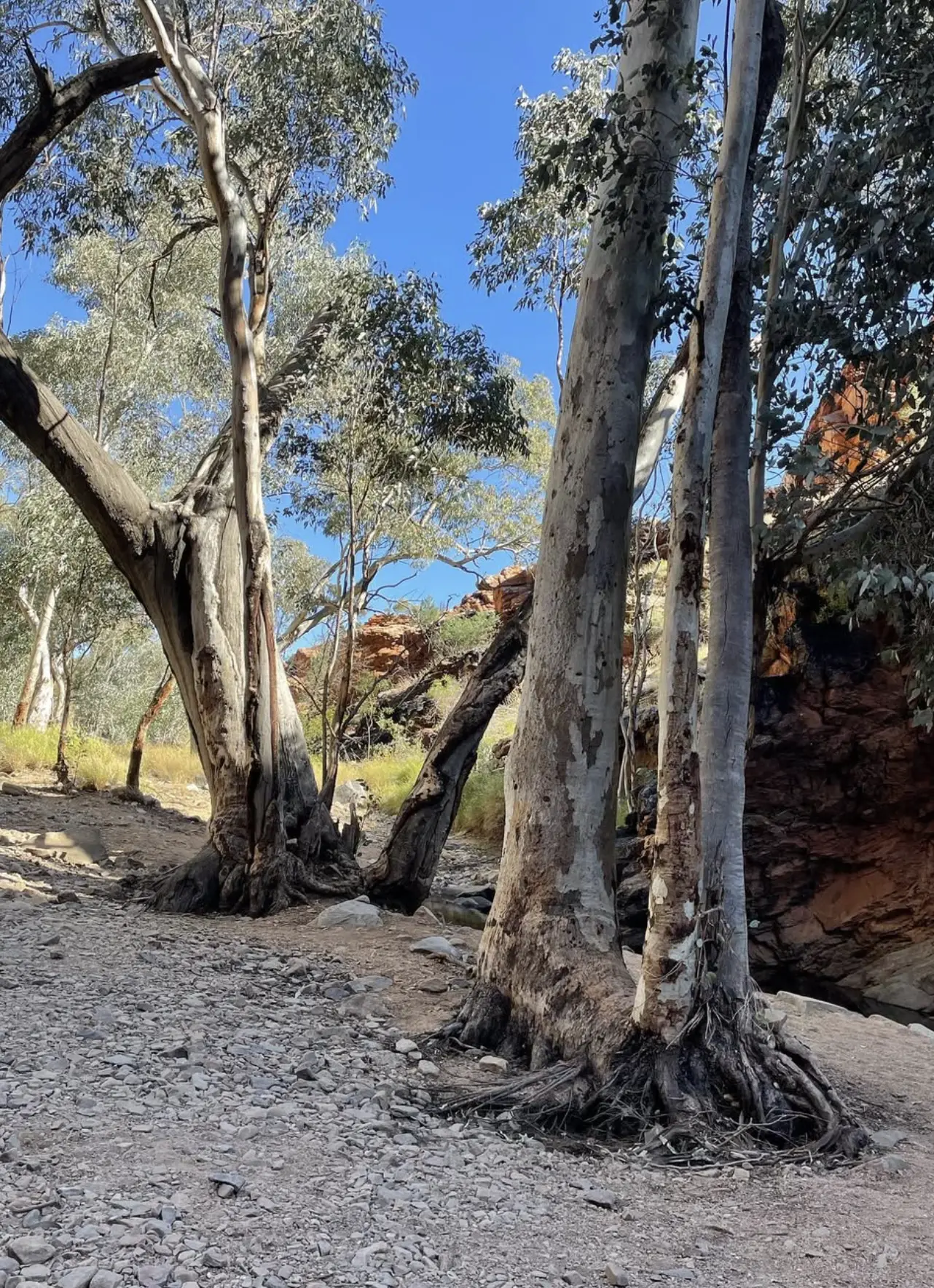
Take a walk along the gully edges and creek lines, and you’ll spot some ghost gums, river red gums, or even pockets of native fuchsia after the rain. What makes it even more interesting here is that because the gorge is lined by different microhabitats (creek bed, rocky slopes, ridges), you’ll see these different zones of vegetation.
After the rain, wildflowers pop up all along the creek edges – a stunning contrast to the red rock and green foliage. It’s an absolute treat in this desert landscape.
A Quiet Retreat Off The Main Drag
Serpentine Gorge gives you just enough infrastructure to be comfortable — a picnic area, public toilet (long drop style), tables and shade — without spoiling the wild vibe. There’s no kiosk, no generator hum, and no commercial bustle.
If you want to stay overnight, head a bit further to Serpentine Chalet Bush Camping Area (also known as Serpentine Chalet Bush Camp) — a rustic campsite with camping fees and no potable water, so you bring your own. Nearby, you’ll find the ruins of Serpentine Chalet, hinting at past remote ventures.
Camping here lets you experience the Gorge after dark, stargazing in silence, and waking early to the desert light on rock. But it’s remote — no supply runs — so plan carefully.
Wildlife Spotting
Despite the harshness of the landscape, Serpentine Gorge is teeming with life if you pause and look. Early morning and late afternoon are your windows.
Look out for:
Black-footed rock-wallabies on boulders
Zebra finches at the water holes
Spinifex hopping mice or small mammals at twilight
Wedge-tailed eagles overhead
Perentie lizards and the odd carpet snake seeking shade
Bird species in the gums and rocks
The shaded gully lines and rocky crevices act as refuges. If you visit after rain, frogs might emerge in low spots, and dragonflies will be around the trickles.
Stargazing In True Desert Darkness
Serpentine Gorge is a dream (pun intended) for stargazing. Far from light pollution, the night sky is a canvas. The Milky Way, planets, and meteor showers — all are clear.
For the best experience:
Use a headlamp (red mode) or a low-light torch
Wear warm layers — desert nights get cold
Bring a reclining chair or blanket
Plan for new moon phases to maximise darkness
Stargazing is best between May and August. On a clear night, the galaxy is overhead — and every constellation feels close enough to touch.
Staying Safe when Travelling Respectfully
When venturing into the bush, some simple common sense can be the difference between life and death. There’s no mobile signal out there to save you, and not much in the way of signs or safe drinking water either. Tell someone where you’re going and when you plan to be back.
Safety First
We’d advise against midday hiking (10 am to 4 pm) – you’ll be squaring off against the blistering sun.
Bring at least 3 L of water per person for each walk you do.
Make sure you’re wearing sturdy hiking shoes – rocks and gravel shift underfoot.
Keep an eye out for snakes – they tend to be on the move in summer.
Pay attention to the signage – if swimming’s forbidden at the waterhole, best to leave it alone.
Check with NT Parks and Wildlife for any closure notices or weather alerts.
Be especially careful after rain – tracks can become washed out, and you might need a 4WD to reach the trail end.
This gorge sits in a real sacred place. Be considerate by sticking to the trails, avoiding any ancient rock art, and respecting the “no entry” areas. Always follow the guidance of the Traditional Owners.
Local Insight: Olha's Note From The Track
The first time I visited Serpentine Gorge was after a week on the dusty, diesel-spewing Red Centre tour. It was just 7 am, and the light was soft as silk, the only sound being a solitary crow somewhere down the valley. After seeing so many big-name attractions in a row, the simplicity of the place really hit me. Just rocks, water, and quiet.
If you’re chasing solitude – the kind that resets your head after too long staring at a screen – this is your place. Pack a thermos, leave the drone at home and take a moment to just sit still. The desert has its own rhythm, and Serpentine Gorge just hums along in perfect time.
Yes – so long as the conditions are dry. The final bit of road to the gorge looks a bit rough, but it’s usually okay for standard cars. Just don’t try it after heavy rain.
Early morning or late afternoon, when the cliffs are all lit up with a lovely red-orange glow. Don’t bother trying to take snaps in the middle of the day; the light just isn’t right.
Allow an hour or so for the walks and a rest at the waterhole. If you’re keen on taking photos or spotting birds, you’ll want to plan for longer still.