Alice Springs

Alice Springs sits smack bang in the middle of the Northern Territory, with the magnificent MacDonnell Ranges stretching out all around it. It’s a place that really puts into perspective just how enormous Central Australia is. The desert just keeps going on forever & the Todd River runs right through the centre of town ( unless the rain gods decide to bless us with a downpour, which is a rare treat ) – and let’s be honest, every single gum tree, rock, and hill has a story that’s older than any map.

I’ve lost count of how many times I’ve crossed the Stuart Highway, but no matter which direction you come in from, Alice has a bit of a ‘you’ve finally arrived’ feel to it. The air’s nice and crisp, the sunlight is blinding & there’s this deep sense of grounding that being here just gives you—a place where all sorts of cultures, landscapes, and stories converge at the heart of the Red Centre.

Table of Contents

History

Before European explorers came stomping in, Mparntwe (the Arrernte name for Alice Springs) was home to the Aboriginal people of the region for thousands of years. Their Dreamtime stories tell how the caterpillar ancestors helped shape the ranges into what we see today. The connection between the Indigenous peoples of Australia and their Country runs way deep – tens of thousands of years deep.

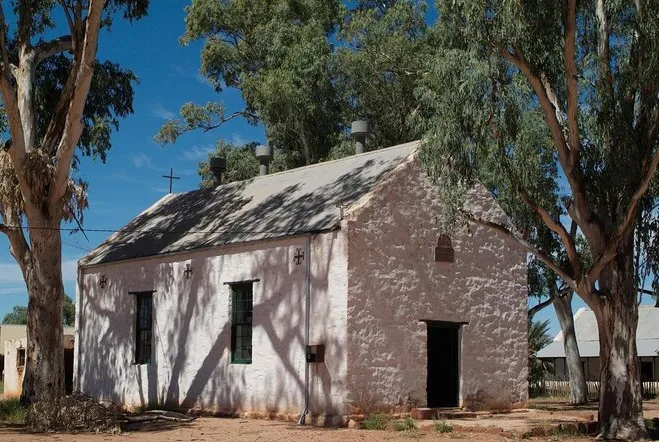
The first Europeans rolled into town in the 1870s with the Overland Telegraph Line that connected Adelaide & Darwin, which naturally made Alice a pretty important communication hub. The Alice Springs Telegraph Station Heritage Precinct still stands as one of the most significant historical sights in the Northern Territory. It’s a great reminder of the kind of resilience people needed back when things were a lot tougher – the kind of spirit that helped build the early Alice Springs NT community from the ground up.

History
How It Got Its Name

How It Got Its Name

In 1871 a surveyor called William Whitfield Mills stumbled upon a temporary waterhole near the Todd River which he – and it’s a pretty ironic thing – named Alice Springs after Lady Alice Todd, the wife of telegraph engineer Sir Charles Todd. & the thing is, there weren’t actually any real “springs” there – just the odd seasonal waterhole that looks like a spring after a decent downpour.

For a while, the town itself was actually known as Stuart in honour of explorer John McDouall Stuart, before they eventually unified all the names under one – Alice Springs. The Telegraph station area is about 4 kilometres north of the modern CBD, & you can easily get there on a nice walk or bike ride along Herbert Heritage Drive.

Natural Wonders of Central Australia

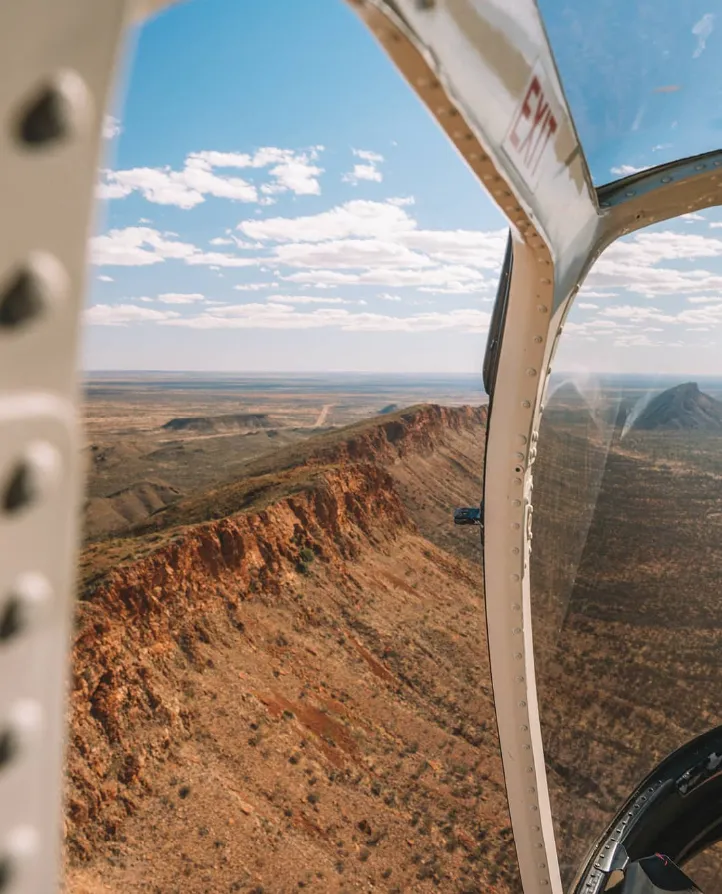
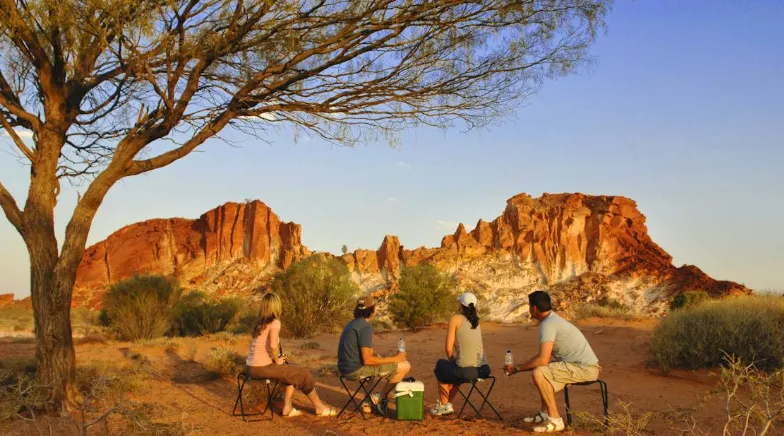
This part of the world is really dominated by the dramatic ridges of the MacDonnell Ranges – those landscapes that catch an amazing golden light during the afternoons. And you’re not even that far from town to find an incredible range of landscapes – deep gorges, secret swimming spots, and desert trails that just seem to stretch on forever.

Natural Wonders of Central Australia

Must-See Natural Sights

  • Simpsons Gap – a gap in the ranges just west of town that’s home to black-footed rock wallabies and pretty incredible sunset reflections.
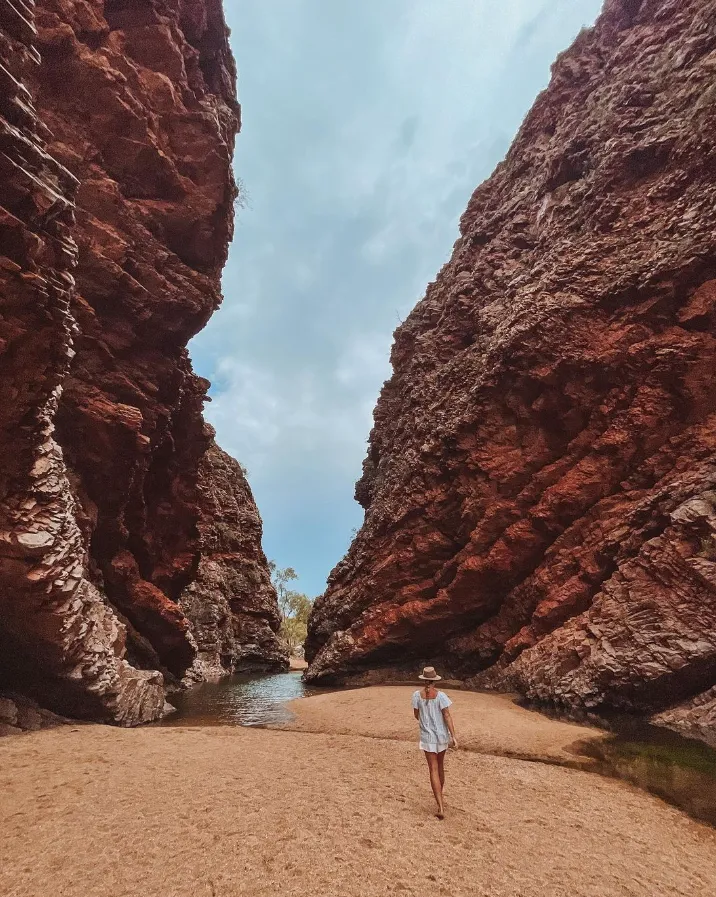
  • Standley Chasm (Angkerle Atwatye): This place is owned by the Western Arrernte people, and let me tell you, it’s like nothing you’ve ever seen – the light there at noon is just incredible.
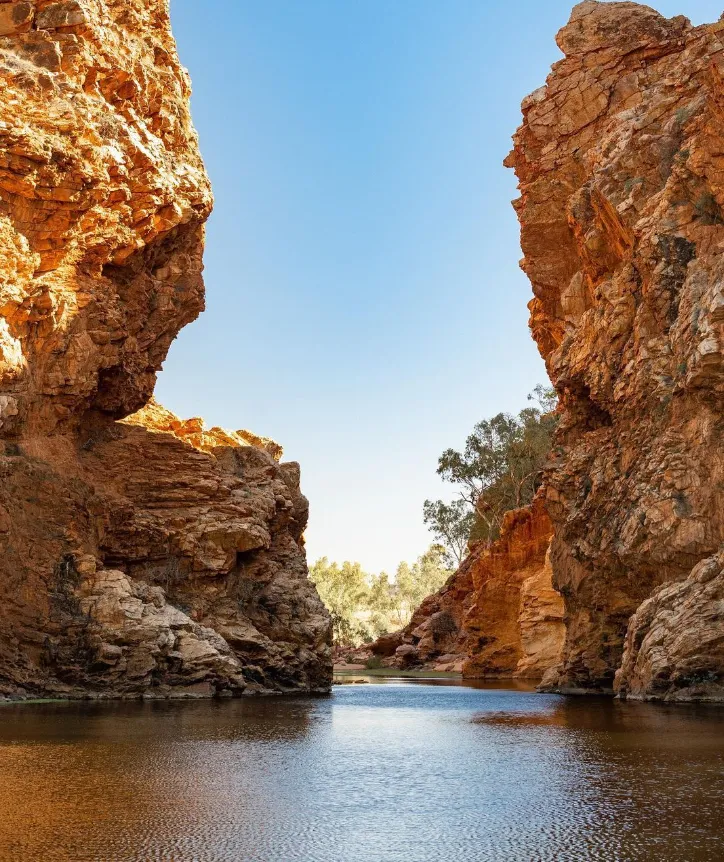
  • Ellery Creek Big Hole – one of the most popular places to cool off in Tjoritja / West MacDonnell National Park Reserve.
  • Ormiston Gorge: This place is famous for its permanent waterhole and towering red cliffs – it’s a photographer’s dream and a great place to grab a snack and take it all in.
  • Mount Sonder (Rwetyepme): The highest point on the Larapinta Trail, and a favourite with hikers who are doing multi-day treks.

You can drive most of these sights along the Red Centre Way, a pretty scenic route that takes you through the desert and past Kings Canyon and Uluru.

Unforgettable Attractions

Unforgettable Attractions

Alice Springs might look like a tiny dot on the map, but it’s actually packed with really unique attractions and experiences that you won’t find anywhere else.

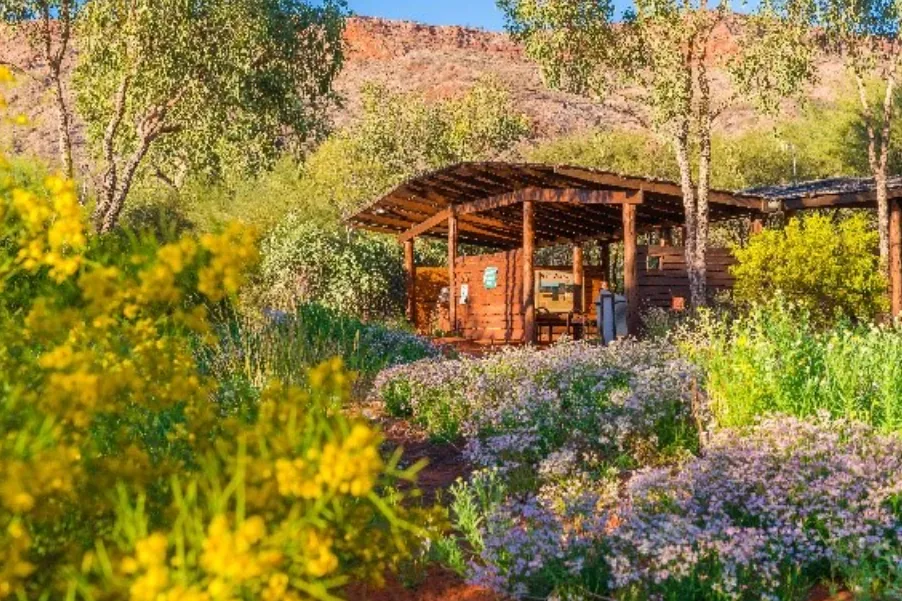
  • Alice Springs Desert Park: A bit of a mishmash of wildlife, desert plants and Arrernte cultural storytelling – don’t miss the free bird show or a trip with one of the local rangers.
  • The Kangaroo Sanctuary: This place is home to a bunch of rescued joeys and made famous by the TV show Kangaroo Dundee.
  • The Telegraph Station: Now the Alice Springs Telegraph Station Heritage Precinct, it’s got the original stone buildings, a café that serves snacks and meals, and uses local ingredients wherever they can.
  • Olive Pink Botanic Garden: Named after this feisty anthropologist who was a big advocate for Aboriginal rights and desert ecology.
  • School Of The Air & Royal Flying Doctor Service: These two places are just incredible – they show you how innovation keeps remote Australia connected. The Alice Springs School Of The Air provides distance education, while the Royal Flying Doctor Service offers educational services and emergency care.

These sites, plus the Alice Springs Town Council visitor programs and Tourism Central Australia information hubs, really give you a sense of what life is like in the desert.

Events That Bring Alice Springs To Life

Alice Springs really thrives in the desert—it doesn’t just survive it. The town’s got a pretty active event calendar, with a mix of tradition, sport, art and a healthy dose of outback humour.

  • Parrtjima – A Festival In Light (April): Celebrating Australian Aboriginal art and cultural heritage.
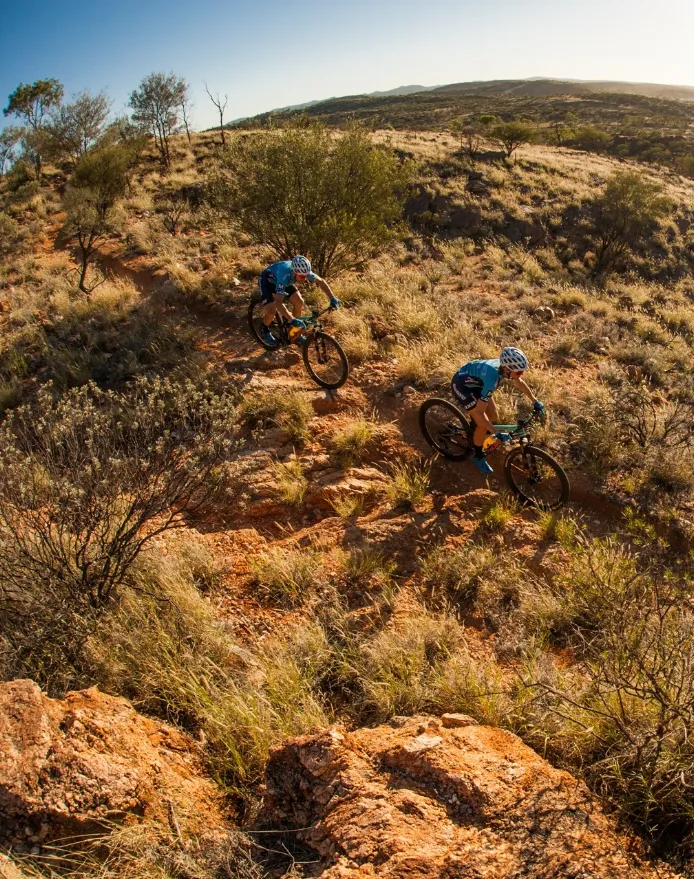
  • Finke Desert Race (June): The world’s toughest off-road race.
  • Alice Springs Beanie Festival (June): They’ve got over 6,000 handmade beanies on show.
  • Camel Cup (July): A whole lot of chaos, hilarious and totally unmissable.
  • Desert Festival (September): Showcasing the best of the art scene and performance in Central Australia.

During event weeks, Alice Springs Airport becomes a whirl of backpacks, helmets, and camera gear, while Todd Mall Markets overflow with food stalls and colour.

🔥 15% OFF
Galleries And Museums That Tell The Story

Galleries And Museums That Tell The Story

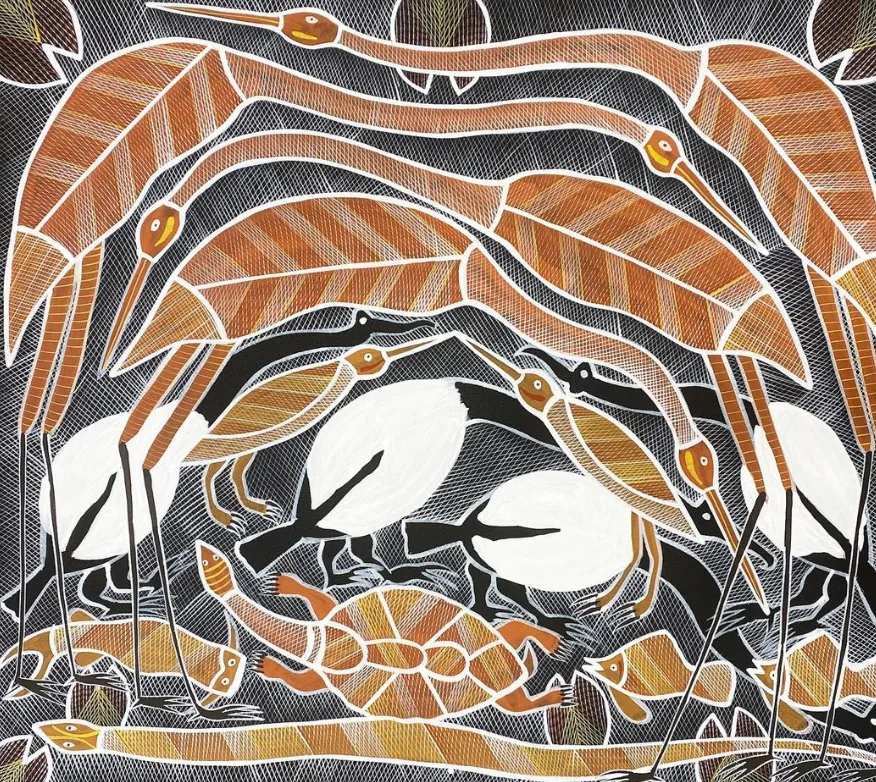
The town’s art scene is top-notch and covers traditional and contemporary Australian Aboriginal art.

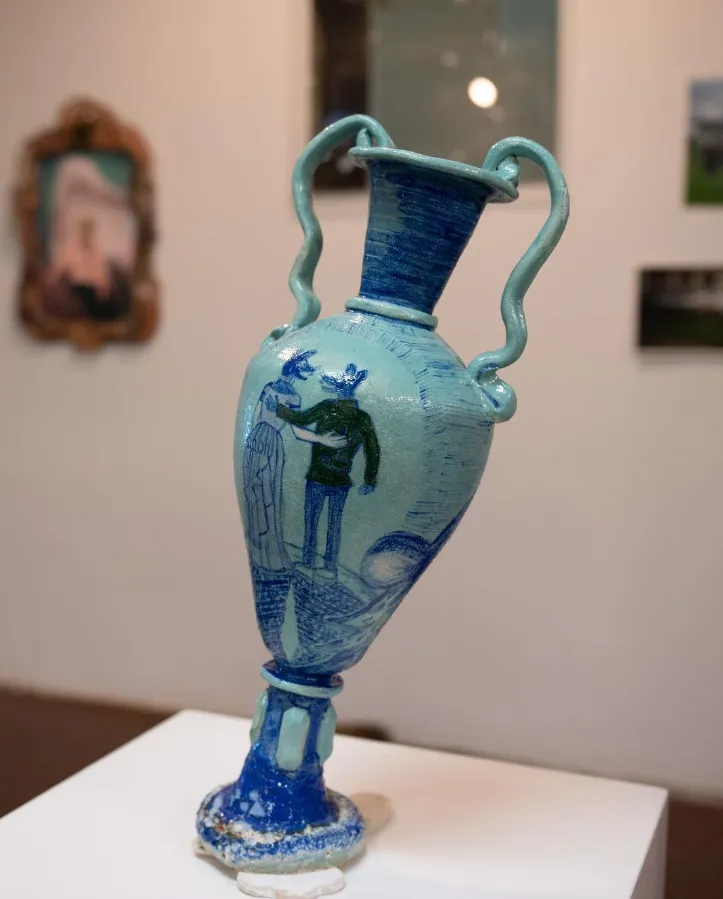
  • Araluen Arts Centre: Has masterpieces by Albert Namatjira and new works by desert artists.
  • Mbantua Gallery: A hub of Utopian art, full of patterns and desert colours.
  • Yubu Napa Art Gallery: Art exhibitions and personalised travel advice for those following the Desert Art Trail.
  • Women’s Museum of Australia: In the old Alice Springs Gaol, about pioneering women.
  • Museum of Central Australia: Fossils, rocks and stories from when sea levels covered this desert.

Each gallery supports local artists and communities, so you can connect with the cultural heritage of the Indigenous peoples of Australia.

Where To Stay: Accommodation

Whether you’re after comfort or a swag under the stars, Alice Springs, NT, has you covered.

Type Example Notes
Hotels & Lodges DoubleTree by Hilton, Desert Springs NT, Crowne Plaza Great for comfort and views of the Alice Springs Golf Club
Motels Desert Palms, Alice Motor Inn Ideal for road trippers
Caravan Parks BIG4 MacDonnell Range, Discovery Parks Family-friendly with pool access
Eco Stays Squeakywindmill, Glen Helen Lodge Off-grid charm and scenic walks
Camping Ormiston Gorge, Redbank Gorge Basic facilities, but unbeatable stars

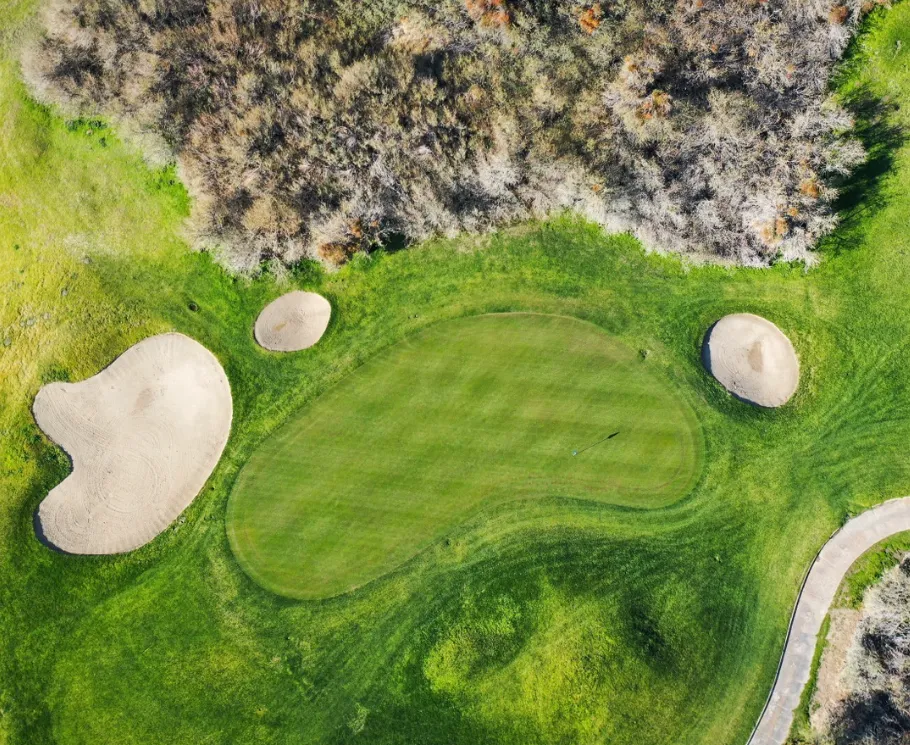
Alice Springs Golf Club and its championship layout spill out over the stunning MacDonnell Ranges. Traeger Park is just a short skip away and gets action year-round with football, cricket, rugby league, and Aussie rules matches.

Where To Eat And Drink

You shouldn’t be surprised by how much to eat and drink there is in this little desert town – it’s plenty.

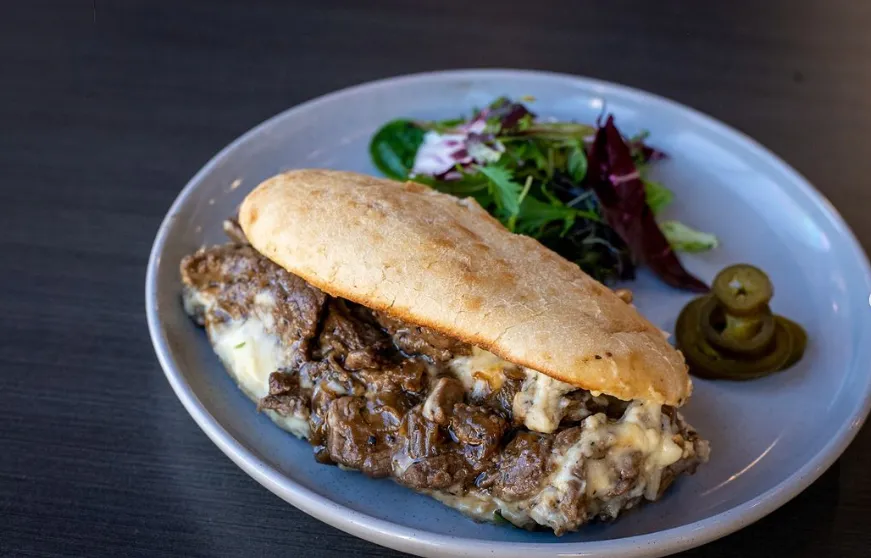
  • Page 27 Café — it’s like your neighbourhood cafe—they do a great brunch.
  • Epilogue Lounge: Imagine a rooftop bar with live music and quiet drinks.
  • Hanuman Restaurant – they do upmarket Thai and Indian grub.
  • The Goods Coffee Shop: Good fit for some plant-based bites before you head out to tackle the trail.
  • Alice Springs Brewing Co: A great spot for a craft beer with range views.

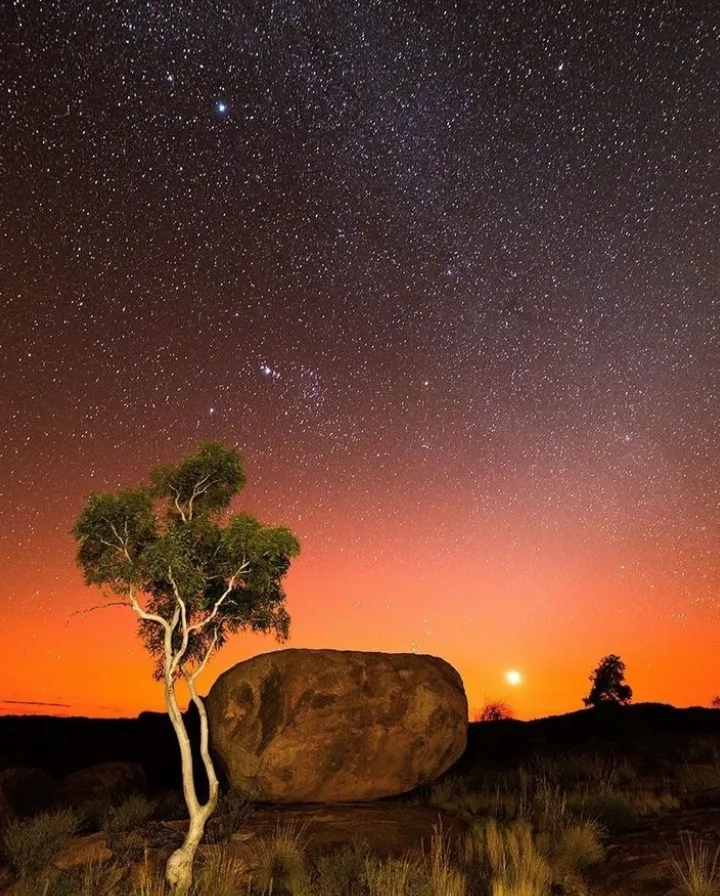
Sundays are when Todd Mall Markets really get going – there’s heaps of local produce, handmade art, and while everyone’s having a look at all the stuff – you should grab a feed at the Earth Sanctuary – this is a pretty special spot – on a clear night you can see the Milky Way in all its starry glory.

Where To Eat And Drink

Best Time To Visit

The desert doesn’t do moderation — it’s scorching in summer and chilly at dawn in winter. Planning around the seasons makes all the difference.

Month Avg High Avg Low Conditions
Dec–Feb 37°C 23°C Hot, storms possible, high UV index
Mar–May 30°C 15°C Ideal hiking weather, light winds
Jun–Aug 22°C 5°C Cool nights, perfect for stargazing
Sep–Nov 33°C 18°C Dry and bright — great for photos

The perfect season for travel to Alice Springs is March to September, when the weather is pleasant and the town is a vibrant, festive place to be. Don’t forget to pack some basic sunglasses and suncream – the UV index here can be pretty unforgiving even on overcast days.

Trip Ideas and Itineraries

Alice makes a fantastic base camp for exploring the amazing landscapes of the Red Centre.

  • The West MacDonnell Ranges Loop: Ellery Creek, Ormiston and Glen Helen are a must-see.
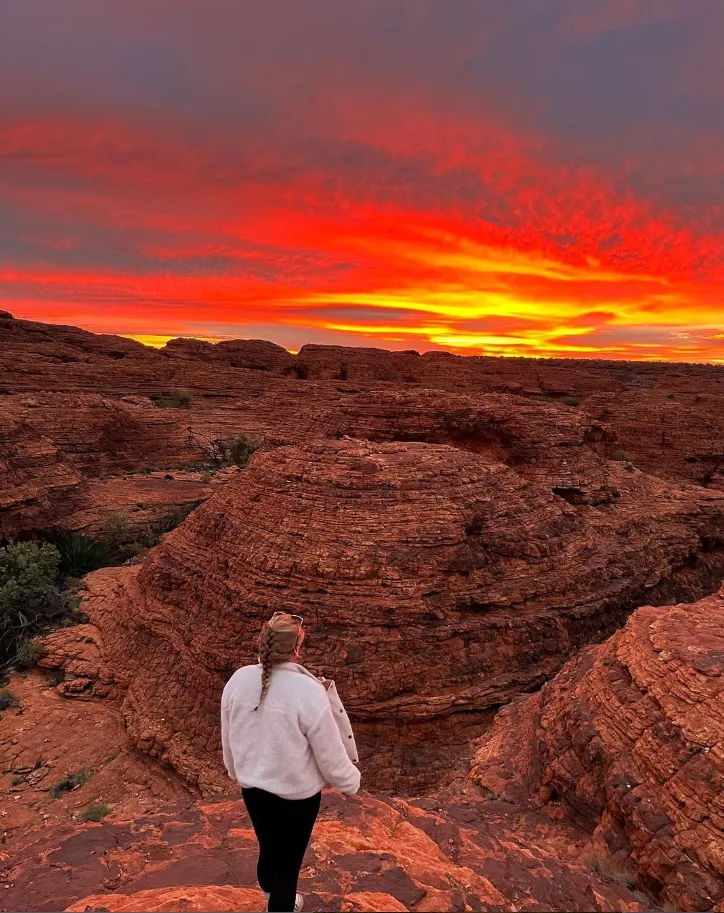
  • Kings Canyon and the Red Centre Way: The perfect mix of rugged hiking and high-end comfort.
  • Larapinta Trail: 223 km of pure adventure.
  • Hermannsburg and Palm Valley: Incredible cultural experiences and breathtaking scenery.
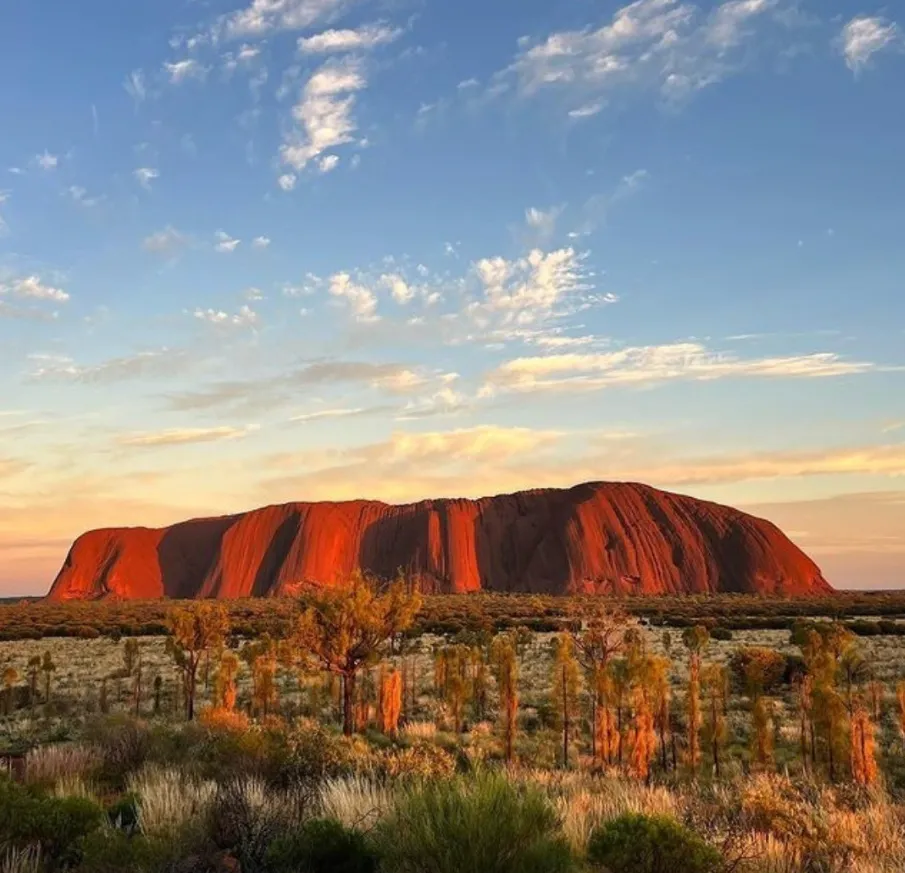
  • Alice to Uluru: A comfortable drive that’ll take in all the sights along the way.

Tourism Central Australia has a great set of visitor centres which will be happy to give you free maps, up-to-the-minute road conditions and some really useful travel advice.

Trip Ideas and Itineraries
What's On Out There?

What's On Out There?

There’s heaps to see and do just a short drive out of town.

  • East: Pop on over to Trephina Gorge and Arltunga Historical Reserve for fantastic walking opportunities.
  • West: Tjoritja / West MacDonnell National Park is a must-see with natural pools and lookouts.
  • South: Chambers Pillar, an incredibly cool natural monument.
  • North: Devil’s Marbles (Karlu Karlu) – a must-see at sunrise.

As you’re driving around, be sure to stop off at some of the local roadhouses for some proper, hearty Aussie food and a browse of the local news.

FAQ

The easiest way to get here is to fly into Alice Springs Airport. Alternatively, you can drive in on the Stuart Highway from either Adelaide or Darwin – it’s the ultimate desert road trip.
Yes, as long as you use a bit of common sense, like you would in any other place. Just stick to the main areas in the evenings and keep an eye on the latest from the Alice Springs Town Council.
Some of them are good to go all year – like Ellery Creek Big Hole. Just remember to check the entry fees and the current conditions before you dive in.
There are heaps of ways to get an authentic taste of Aboriginal culture around here. Try a guided tour at the Desert Park, Standley Chasm, or through Tourism Central Australia—they’ll give you some really authentic insights.
Three to five days is a good starting point, but to be honest, most people end up staying longer to get in a bit of hiking, painting, or just relaxing in the desert.