Cape Tribulation is definitely worth checking out if you’re after a taste of raw Far North Queensland scenery, some serious rainforest walks, easy access to the reef, all sorts of wildlife encounters & a pace of life that just feels a million miles from city life in Australia. But don’t expect a slick, resort strip with perfect weather and 5-star phone reception – this place is humid, can be pretty unpredictable, & its definitely crocodile country – and sometimes, well, it can get a bit rough around the edges. But that’s the whole point – lots of travellers love the gritty, offbeat charm of it all.
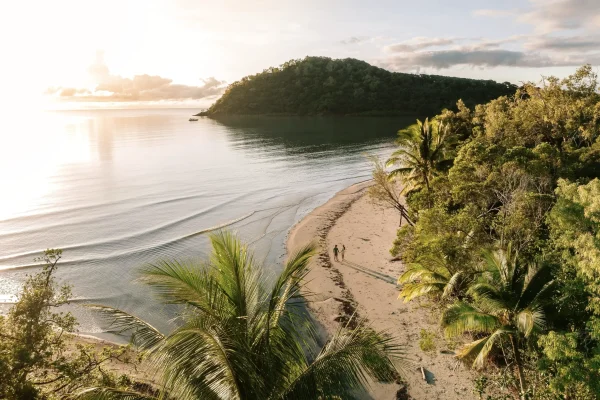
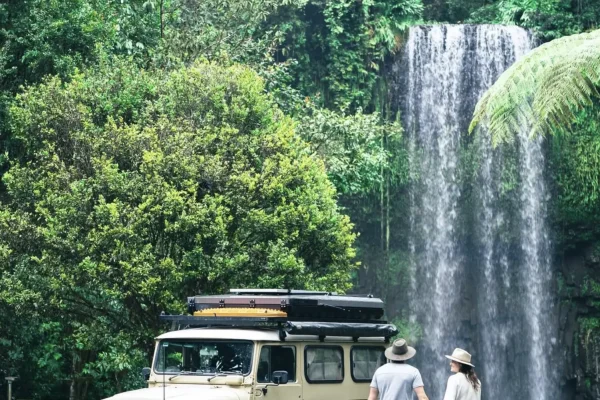
Inside the Daintree Rainforest, you get to wander through one of the few places in the world where two UNESCO World Heritage Sites actually meet – the forest & the Great Barrier Reef. One minute you’re in knee-deep in the jungle, & the next you’re standing on the beach staring at a “Croc warning: do not swim here” sign – and that is a very real sign, by the way.
Table of Contents
The Journey North Takes Longer Than Expected
Lots of people look at a map and think, “oh no worries, day trip from Cairns.” But then they hit the ferry queues, the winding roads north of Port Douglas, the roadworks, and the constant wildlife stops and realise that this trip is definitely going at the pace of Far North Queensland.
Be realistic and figure on around 3.5 to 5 hours to get to Cape Tribulation from Cairns, with a few normal stops thrown in. But if the wet season is on or there’s a whole heap of tourists around, it can easily take a whole lot longer.
The Ferry Crossing Catches Plenty Of People Out
The Daintree River Ferry Crossing might only take a minute or two, but get there at the wrong time and you’ll be stuck in a queue. School holidays and peak tourist season are the worst; mid-morning is just chaos. Try to get there a bit earlier in the day, and you’ll be a lot better off.
Paul was stuck in a queue at the ferry around 11 am back in July during school holidays, and I’m talking seriously stuck – he managed to polish off a whole pie from the servo, drank an iced coffee, and even finished a whole podcast episode before they moved forward.
Section
Realistic Timing
What Travellers Often Get Wrong
Cairns to Mossman
1–1.5 hrs
Assuming it’s a quick airport-style transfer
Mossman to Ferry
25–40 mins
Underestimating traffic and tourist stops
Ferry Wait + Crossing
15–90 mins
Arriving late morning in peak periods
Ferry to Cape Tribulation
1–1.5 hrs
Narrow roads slow average speeds badly
Fuel also becomes noticeably more expensive north of the ferry. Fill up in Mossman before crossing.
Public Transport Is Limited Once You Cross The River
Trouble is, there’s no convenient public transport system up there. Most folk either:
Self-drive
Join organised rainforest tours
Book private transfers from Cairns or Port Douglas
If you’re not a confident driver on those sorts of roads, you’ll probably find a guided tour is the way to go – makes life a lot easier.
Seasons Completely Change The Experience
The region feels almost like two completely different places depending on the season.
Dry season’s the good time – May to October‘s usually when nights are cool, humidity’s low, driving conditions are safer, and hiking’s a breeze. That’s usually when you find most people have it pretty easy.
Wet Season Travel Looks Romantic Online
The wet season’s a real treat – waterfalls are raging, the jungle’s luscious and green, and it feels like the place is just alive. And yet, travellers also have to deal with:
flooded roads
ferry delays
marine stingers
blistering humidity
track closures
My mate Paul once hung a shirt out overnight in February and found it’d somehow got wetter than when he went to bed – that’s how stifling the humidity can get.
Swimming Needs More Caution Than Expected
This coastline looks pretty idyllic, but don’t be fooled – the beaches here are tidal, remote and they’re part of crocodile country. And then there are the marine stingers that become a problem during the warmer months.
Freshwater Swimming Holes Usually Make More Sense
The freshwater creeks and waterholes are generally safer than the ocean, although be warned – after heavy rain, the conditions can change in a heartbeat.
You’ll find spots like Mason’s Swimming Hole are pretty popular because they’re way out of range of all the ocean dangers. Myall Beach might look all calm and peaceful, but we locals know that tides and estuaries make a big difference here.You’ll be caught out if you wander too close to waterways at dawn or dusk when the crocs start to move.
Rainforest Walks Feel Easy On Paper
A short rainforest walk might sound quite manageable – that is until you factor in steep tracks, the stifling heat & humidity, muddy surfaces and 30-degree heat by lunchtime.Loads of travellers make the rookie mistake of underestimating the physical aspect of Far North Queensland walking tracks.
Some Tracks Suit Casual Visitors Better Than Others
The area’s got everything – from easy boardwalk strolls that are perfect for families, to some genuinely demanding rainforest climbs.
Walk
Difficulty
Real Experience
Dubuji Boardwalk
Easy
Best for families and casual walkers
Marrdja Boardwalk
Easy–Moderate
Great mix of mangroves and rainforest
Kulki Lookout
Easy
Short walk with classic reef-meets-rainforest views
Mount Sorrow Ridge
Hard
Steep, muddy, humid, slippery after rain
Mount Sorrow isn’t for beginners – the name gives you a pretty good warning.Don’t forget to pack plenty of water – the humidity saps your energy, especially if you’re coming straight from cooler climates.Proper footwear is also crucial – I once saw a bloke try a muddy rainforest track in his white city sneakers & he looked defeated in about twenty minutes.
Accommodation Choices
Where you choose to stay actually shapes your experience more than people think.
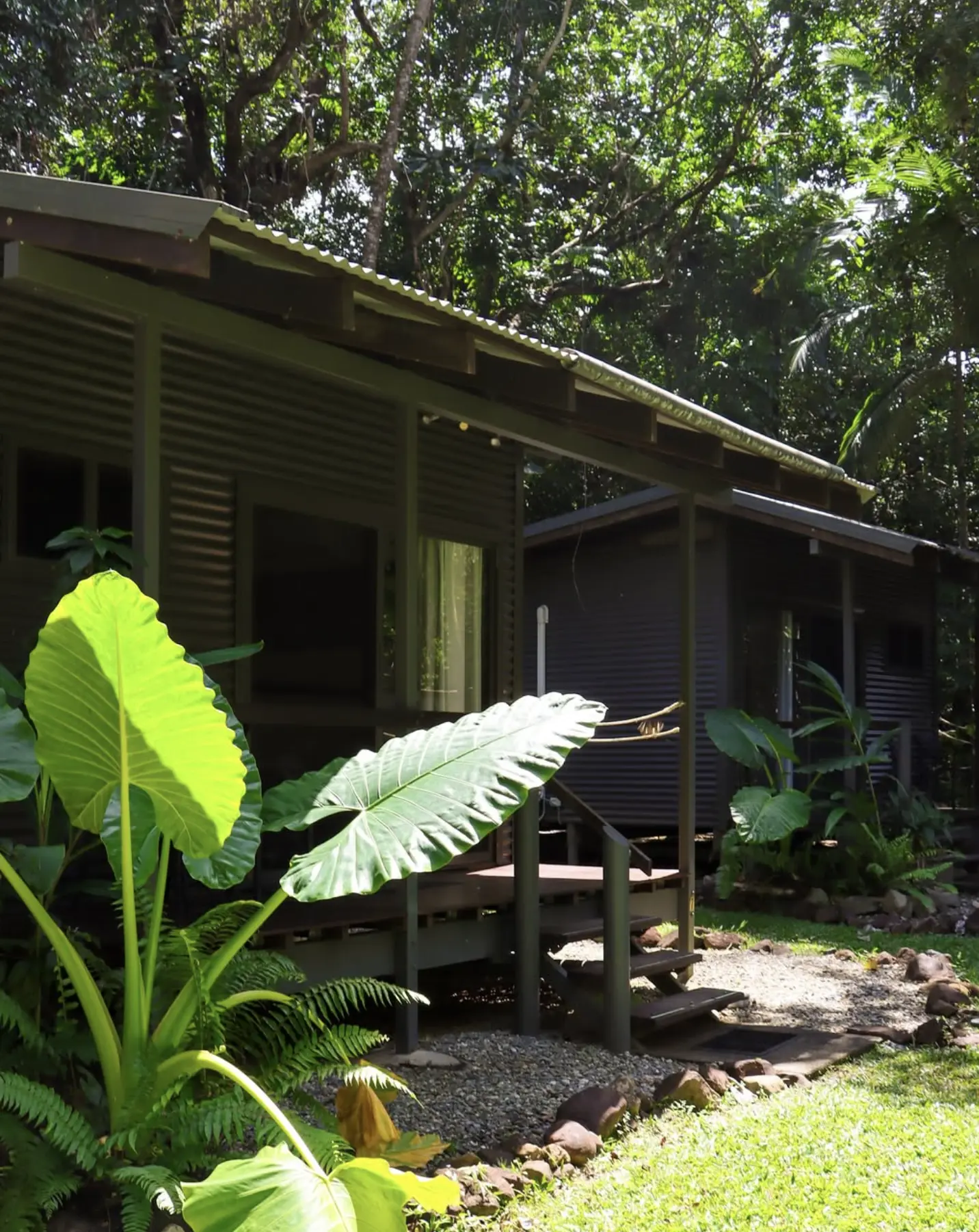
Backpacker-style places give you a very different trip compared with eco-lodges or beachfront cabins.
Budget Travellers Need To Plan Supplies Properly
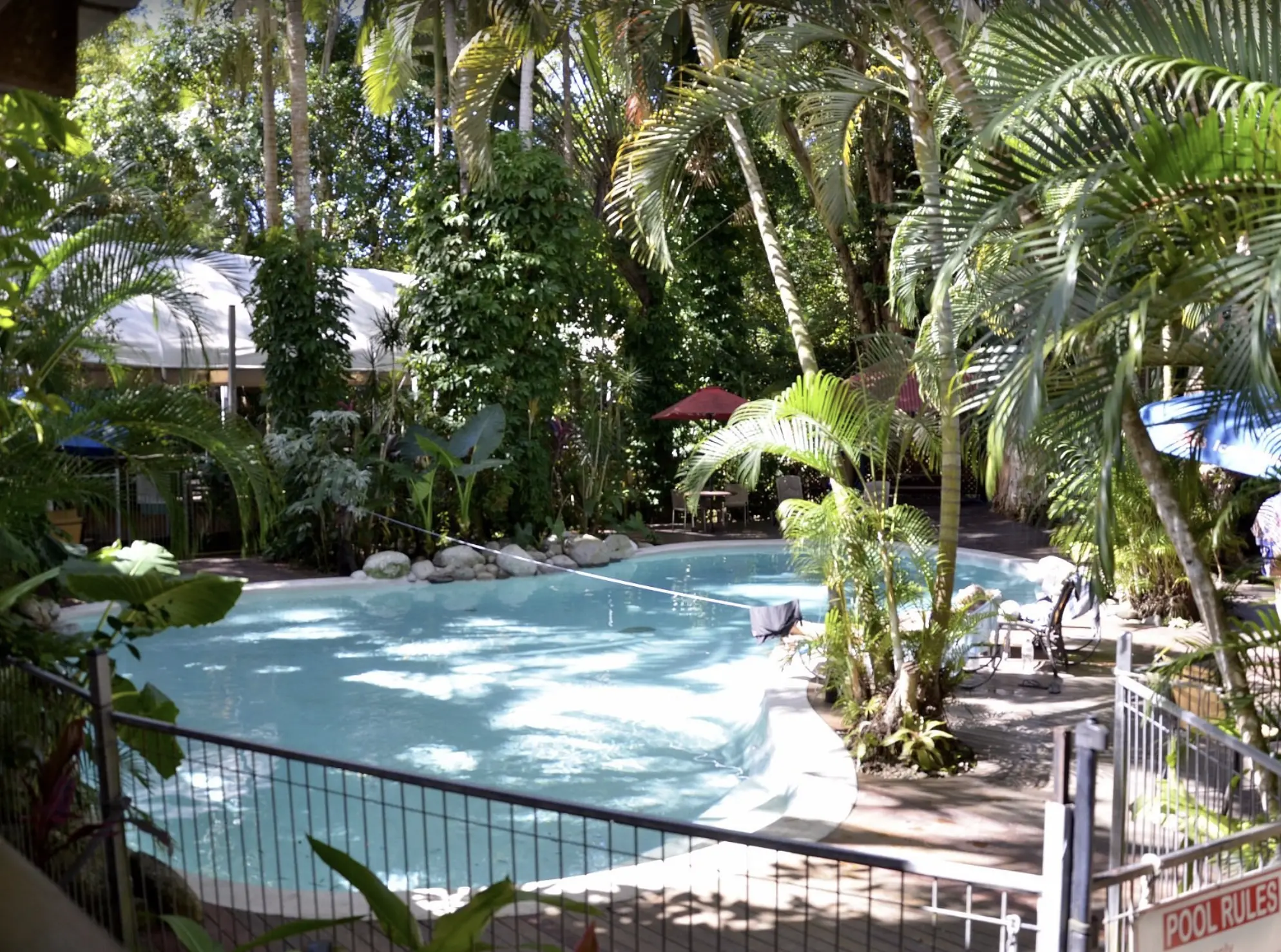
Some of the most popular places to stay include PK’s Jungle Village & Safari Lodge, which offers everything from beachfront camping & campsites to private cabins & swimming pool access.
Realistic rough costs:
Budget dorm – AUD $40-$70
Mid-range cabins – AUD $160-$280
Eco-lodges – AUD $300+ during peak season
Meals at cafes – AUD $20-$40
Ferry crossing for standard vehicles – roughly AUD $49 return (subject to change)
Many travellers assume the food options will be cheap because the region feels so small-town casual, but that assumption is wrong. Supplies have to travel a long, long way north. Stocking up in Mossman can save you a pretty penny.
Wildlife Encounters
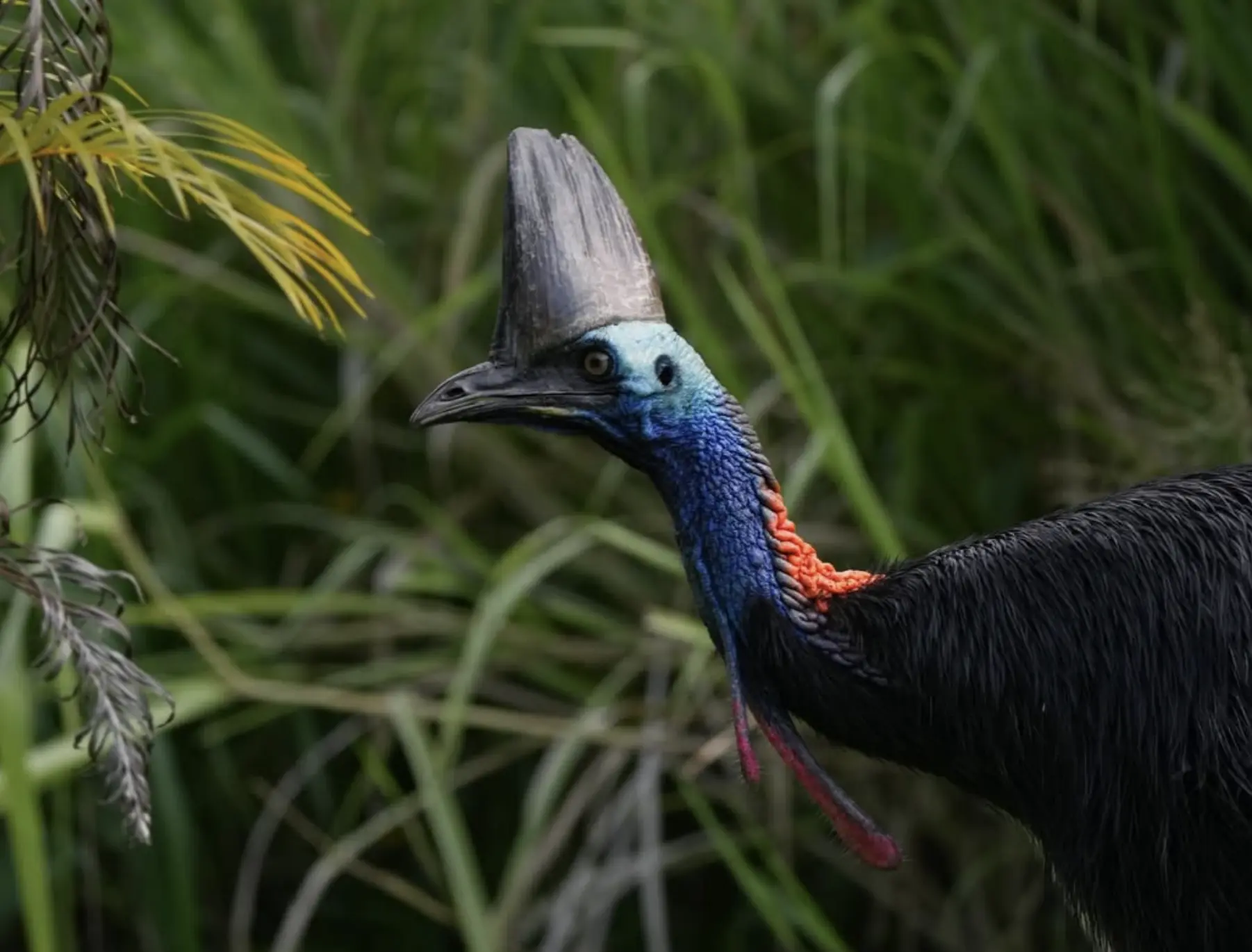
The wildlife in this region doesn’t care about your tourist schedule.You’ll see cassowaries wandering the roadside, tree frogs in the bathroom, spiders in the cabin & hear all sorts of creatures moving through the rainforest at night that you never actually see.That kind of unpredictability is part of what makes this place so appealing.
Cassowaries Deserve Respect, Not Selfies
The southern cassowary is right on the endangered list, and it’s one of this region’s biggest attractions – especially for birdwatchers and wildlife photographers.But just because you’re excited to see one doesn’t mean you can just go up and get a selfie. That’s just asking for trouble.Paul once saw some bloke try and keep a cassowary still for photos by placing fruit beside it – and let me tell you, local guides shut that down pretty quickly. Feeding wildlife is just a recipe for disaster, and it’s a real problem in this area.Just keep your distance, don’t feed the wildlife, and don’t block paths for your Instagram followers. That’s just basic common sense.
Reef Access
A lot of people who visit the rainforest completely miss out on the reef – that’s a big mistake.The combination of rainforest and reef is what makes this place so special.
Boat Conditions Matter More Than Brochure Photos
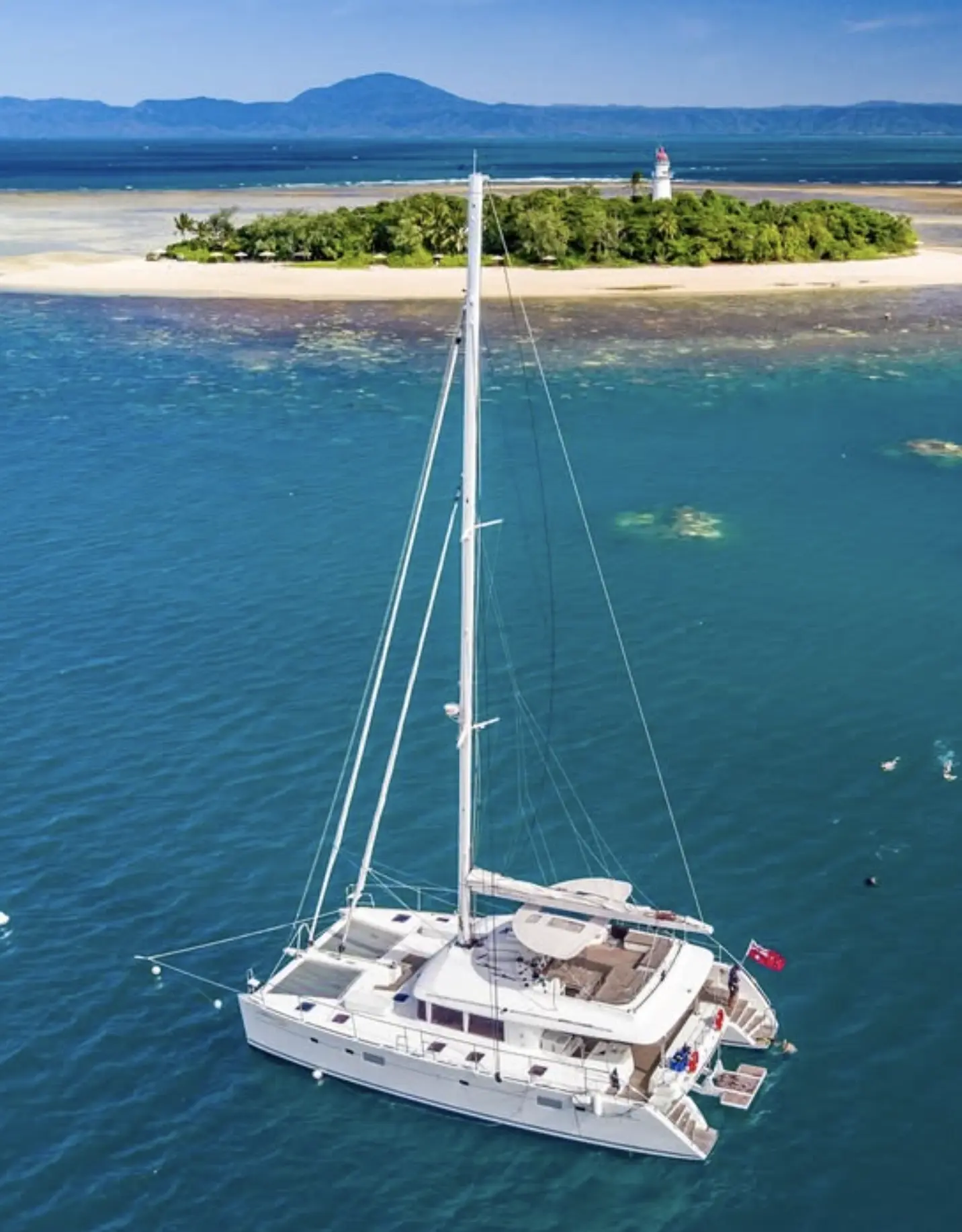
Operators like Ocean Safari run their reef trips right from the coast, rather than leaving from a marina a fair way south.When the weather is calm, its like a dream – but when its windy, even the smallest boats can start to get pretty choppy. As for what you expect versus what you get, well the brochure photos always show perfect, flat blue water, but the real story is that reef conditions are all about the wind, the tides, the swell and the weather – all of which can change quick smart.
You might see all sorts of amazing marine life on a tour, such as:
Turtles
Loads of different types of reef fish
Giant clams
Coral – and sometimes even coral spawning
But if you’re someone who gets seasick, you need to get your act together before you get on the boat.
Indigenous Knowledge Adds Deeper Meaning
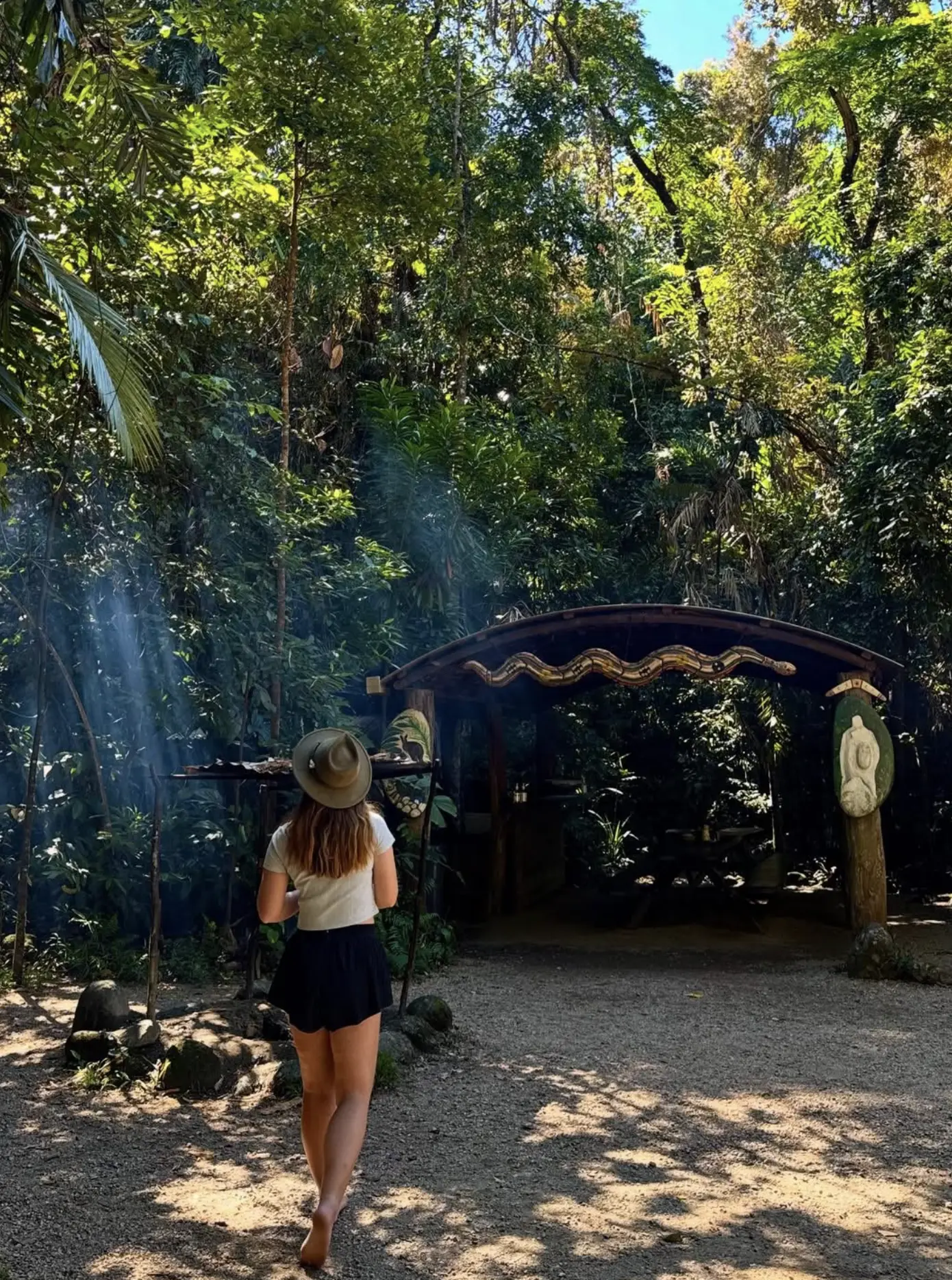
If you don’t get a look in on the Traditional Owners’ knowledge and history, then you’re missing out on half of what makes this place special. This region holds deep cultural significance for the Kuku Yalanji people, who have been connected to this land for thousands of years.
Guided Experiences Add Valuable Context
Getting a guided tour of the rainforest with a local guide is a whole different story – they can show you all the best bits, introduce you to the right plants, explain the seasonal patterns, and share all sorts of other secrets that the place holds. It completely changes your perspective, thats for sure. Groups like Destination Daintree and Daintree Marketing Co-Operative are doing their part to support sustainable tourism and protect the environment.
Day Trips Miss The Best Atmosphere
Yeah, you can get here from Cairns in a day – but you shouldn’t be too keen to rush.
Overnight Stays Feel Far More Rewarding
Overnight, you get the full deal – the frog calls, the buzzing of insects, and the humidity just feels like it gets even thicker.
If the only time you can make it is for a day, then focus on catching the ferry, doing one rainforest walk, jumping in for a freshwater swim, and maybe squeezing in a crocodile tour or a reef trip.
If you can stay a bit longer, then go for it – do some more leisurely rainforest walks, take a Crocodile Cruise, swim in some of the many holes around, and go on a reef tour.
Multi-day itineraries with places like Autopia Tours tend to work a lot better, to be honest, because you can never quite count on the weather, or even if the ferry will run on time. And then there are the wildlife sightings, which are never exactly predictable.
Local cafés like Turtle Rock Cafe become part of the whole experience – they’re the kind of place where you can just rock up with muddy boots, grab a strong coffee and catch up on the road conditions with other travellers.
The Best Trips Happen When You Slow Down
The weather’s pretty much a mess – humid, unpredictable, and sure to throw some curveballs at you from time to time.
But it’s those exact moments people remember.
You’re probably gonna get hot & sweaty, your shoes will end up caked in mud, and something is definitely gonna go wrong.
Paul reckons: just roll with it.
It’s usually the folks who can chill out and let go – who stop trying to control every last minute – that have the best time in this place. They get into this relaxed rainforest rhythm that’s got more to do with the slow-moving rhythm of the rainforest than the fancy plans they came up with beforehand.
Generally, the dry season is the best time – May to October is when you’ll get lower humidity, better road access and less chance of getting caught in the rain.
To be honest, yeah – most standard vehicles should be fine getting out to the visitor areas via the sealed road in dry conditions, and the ferry route is usually pretty reliable.
Yeah – there are plenty of options that won’t break the bank. Backpacker lodges, campsites, beachfront camping areas and some older cabins in the rainforest are all pretty affordable compared to the eco-resorts.
Honestly, the essentials are all you need: light clothes you won’t mind getting wet, some decent insect repellent and reef-safe sunscreen, a water bottle, some decent walking shoes, and some waterproof gear. The fancy outfits can stay at home.