Just a short drive from Melbourne, Phillip Island is a nature lover’s dream, home to some of Australia’s most famous animals. From the Pengeuin Parade to the largest colony of Australian fur seals, this peaceful island has a diverse range of native animals in their natural environment. Famous for its wildlife sanctuaries, rugged beaches and natural beauty, Phillip Island is a must-see for animal lovers and anyone who loves wildlife conservation. Whether you’re swimming in the warm waters of summer or exploring the island in winter, you’ll find a whole lot of Australian wildlife to discover.
Table of Contents
A Natural Wonderland
Phillip Island has several nature parks that protect its many ecosystems. These parks provide a safe haven for many native species and offer guided tours, educational programs and walking tracks to help you explore the island’s natural beauty. The Phillip Island Nature Parks are across multiple locations, including the famous Penguin Parade site, Koala Conservation Centre and the beaches that house wildlife sanctuaries. One of the key things about these parks is their focus on conservation. The parks work with wildlife experts to ensure the long term survival of the island’s native species so it’s a great place to learn about the balance of nature.
Island’s Wildlife
Phillip Island has a range of native animals, from penguins to koalas and fur seals. The island’s diverse ecosystems – from sandy beaches to woodlands – provide the perfect habitat for them. The island is famous for its bird life – hooded plovers, wading birds and birds of prey. With over 200 species of birds recorded, birdwatching on Phillip Island is a must-do for bird enthusiasts and animal lovers alike. In addition to the island’s birds, the native wildlife includes mammals and reptiles – echidnas, Tasmanian devils and various lizards. Phillip Island’s commitment to conservation means these animals will continue to thrive in their natural environment, making it a great destination for eco-tourists and animal lovers.
World-Famous Penguin Parade
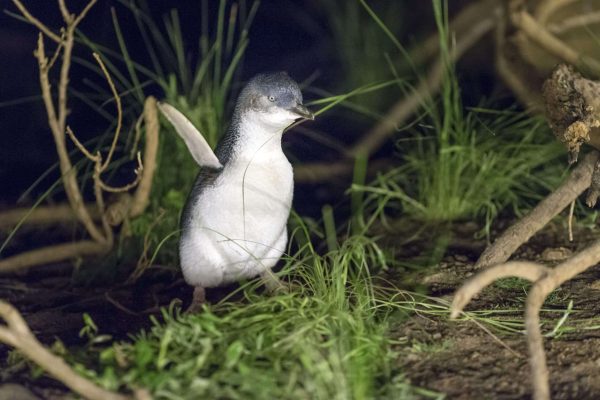
No trip to Phillip Island would be complete without the Pengeuin Parade. Every night, the island’s famous penguin colony, the Phillip Island Penguin Parade, comes ashore after a day at sea. Hundreds of Little Penguins waddle up the beach to their burrows, and you get to see this natural wonder up close. The Penguin Parade is fun for families and tourists but also helps fund local wildlife programs. It’s most popular during school holidays and summer—big crowds.
See Lazy Seals at Seal Rocks
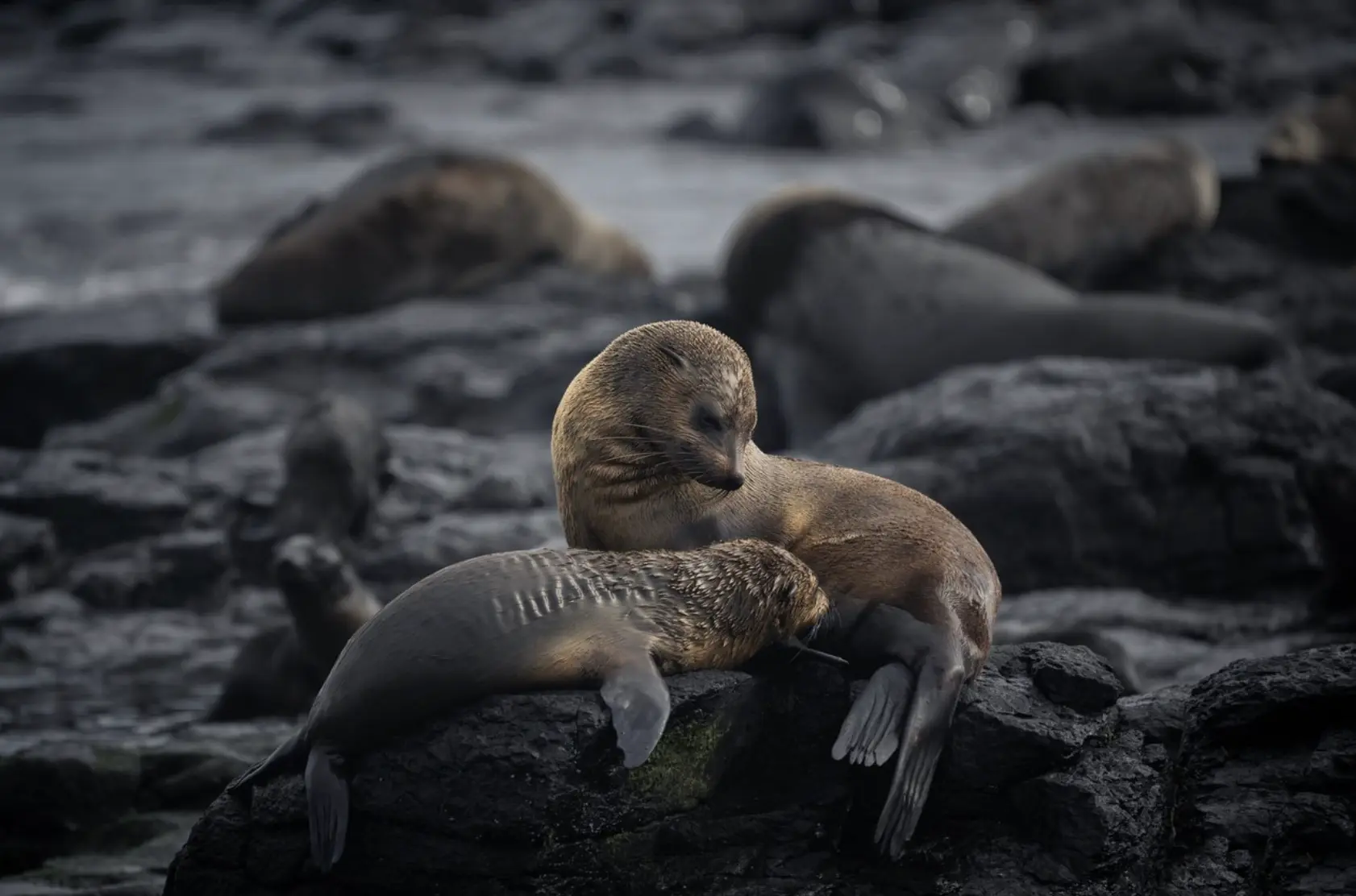
For another wildlife experience, head to Seal Rocks, the biggest colony of Australian fur seals on the mainland. Located off the rugged Phillip Island coast, Seal Rocks is home to thousands of fur seals. Take a Wildlife Coast Cruise to see the seals up close, often lounging on the rocks or swimming in the clear water. These cruises run year-round but are most popular during summer when the seals are most active. Seal Rocks is a must-see if you want to see these amazing animals in their natural environment.
See the Koalas
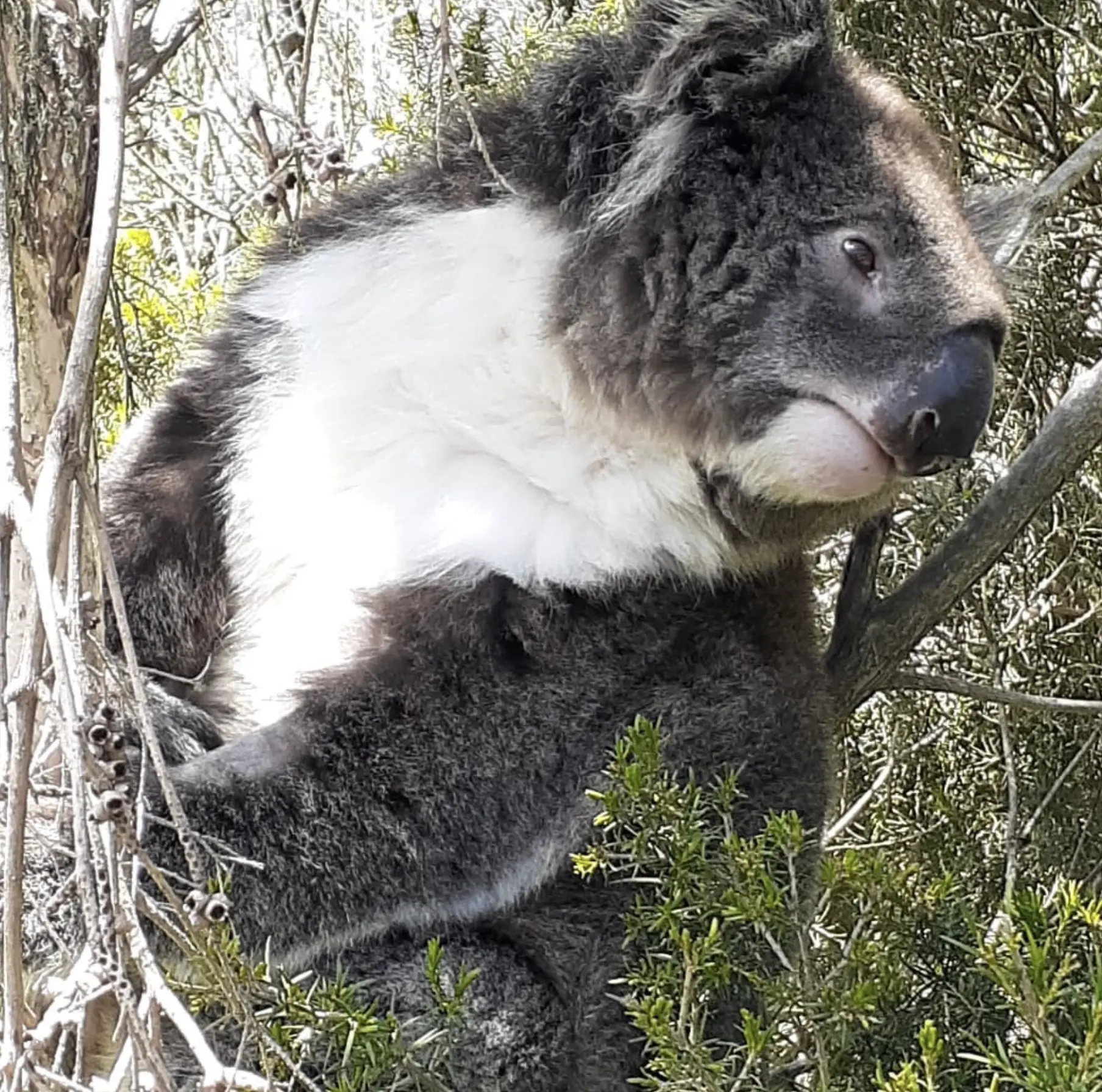
Koalas are another highlight of Phillip Island, and the Koala Conservation Centre is a place where you can see them in their natural habitat. Located near Churchill Island, the centre has a large population of resident koalas, and you can walk the tree-top boardwalks to see them up close as they munch on eucalyptus leaves. The centre also has educational information about koala conservation, so you’ll leave with a better understanding of the challenges these Aussie icons face.
San Remo Pelicans
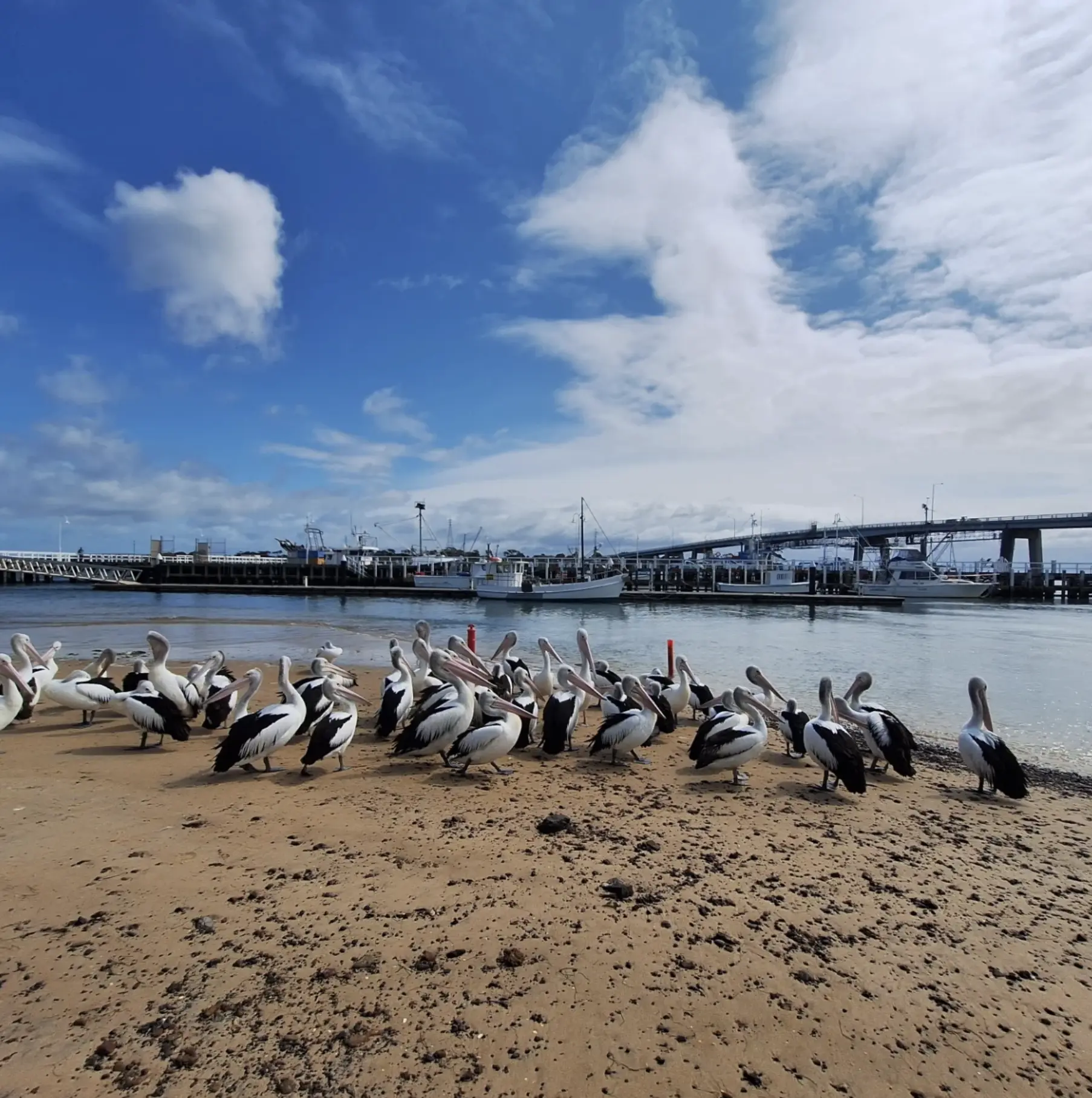
The coastal town of San Remo at the entrance to Phillip Island is another great spot for wildlife watching, especially if you love wild pelicans. The San Remo pelican colony is one of the biggest in Australia, and you can see them flying over the Rhyll Inlet or gathering around the town’s piers. If you want a real treat, you can even have lunch with pelicans at local cafes, where they often drop in to steal a snack.
Island’s Birdlife
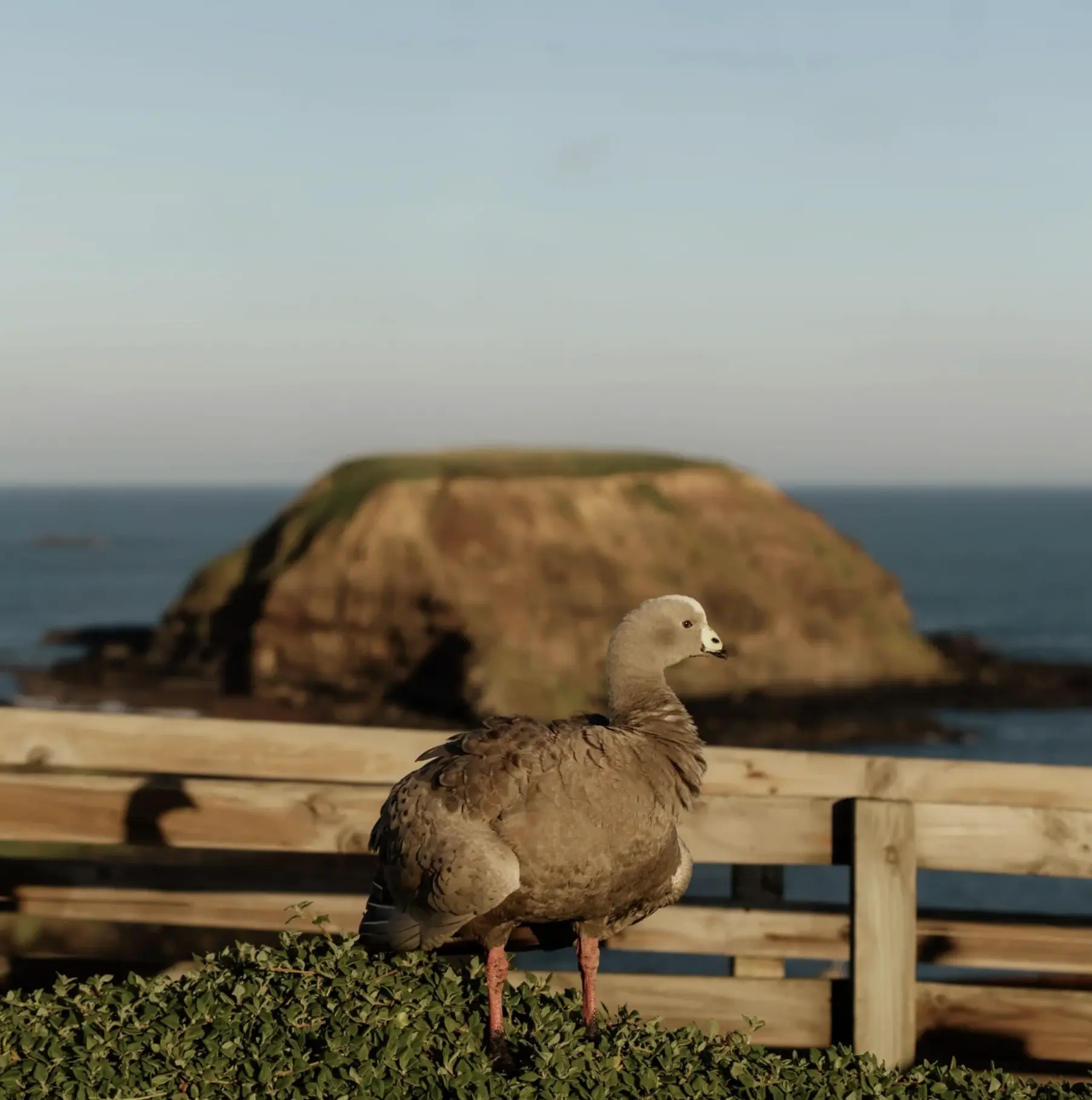
Phillip Island is a birdwatcher’s paradise with so many different species of birds across the island. From the Black Swans in the peaceful wetlands to the Cape Barren Geese on French Island beaches, there’s no shortage of interesting birds to see. The island is an important stopover for migratory birds in the international wetlands agreement, so it’s a key area for bird conservation. Whether you’re spotting mutton birds during migration or Black Shouldered Lapwing in the fields, bird enthusiasts will love it here.
Winter Whale Cruise
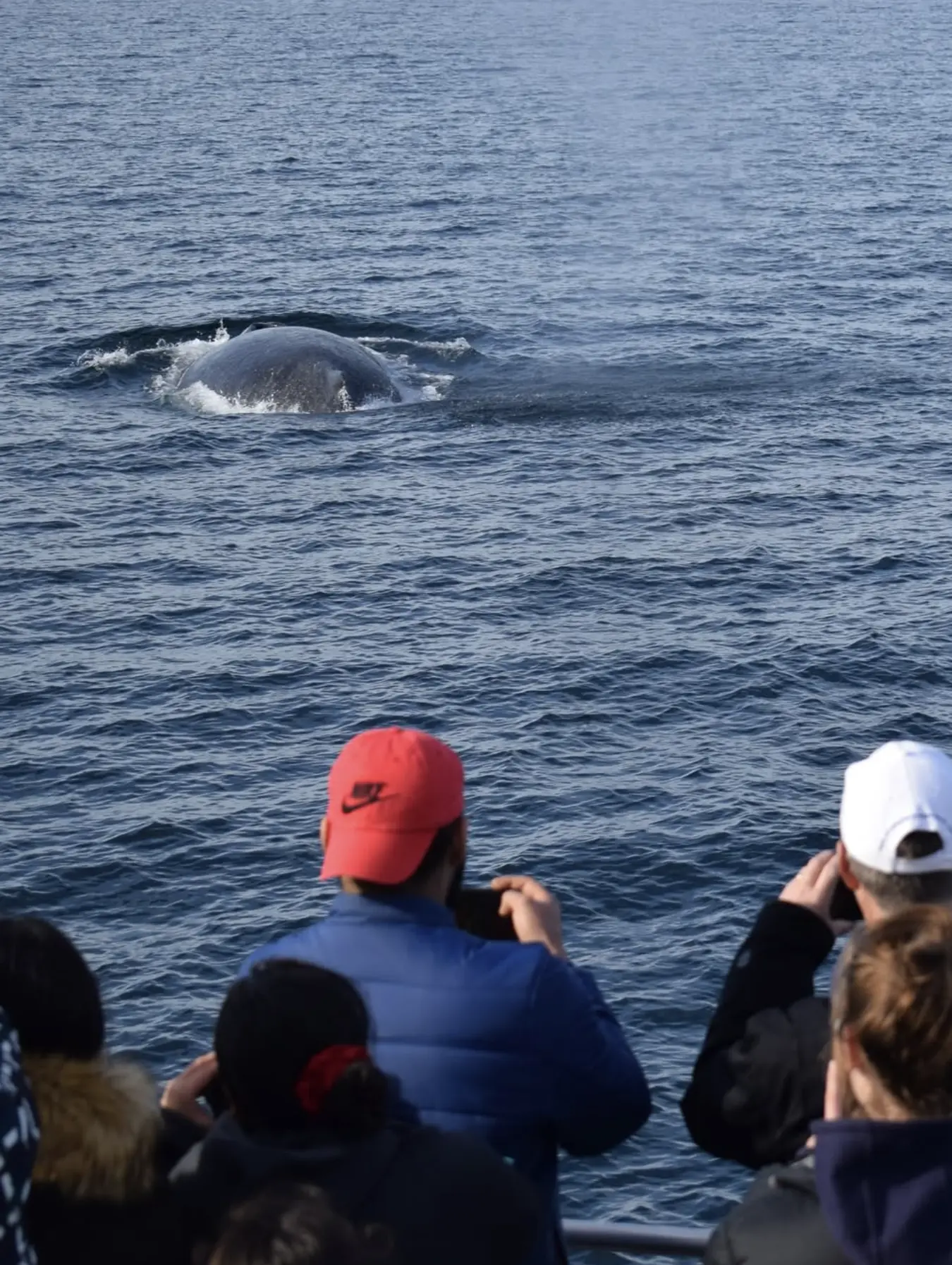
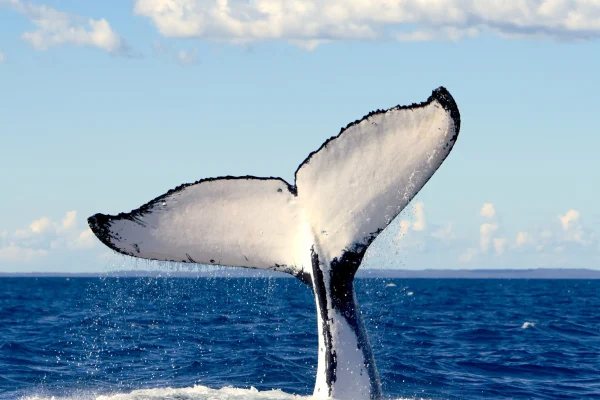
In winter, you can see migrating whales off the coast of Phillip Island. A 1 hour 45, 45-minute cruise with Wildlife Coast Cruises gives you the chance to see humpback whales and southern right whales as they travel along the Bass Coast. These winter whale cruises are an amazing experience as you get to see the giants breach the surface of the ocean. If you’re an animal lover or nature nut a winter whale cruise is a must do on your Australian trip.
The best time to visit Phillip Island depends on the wildlife you want to see. For penguin watching the Penguin Parade is most popular in summer, winter whale cruises are for migrating whales and the warmer months are best for seeing seals and koalas.
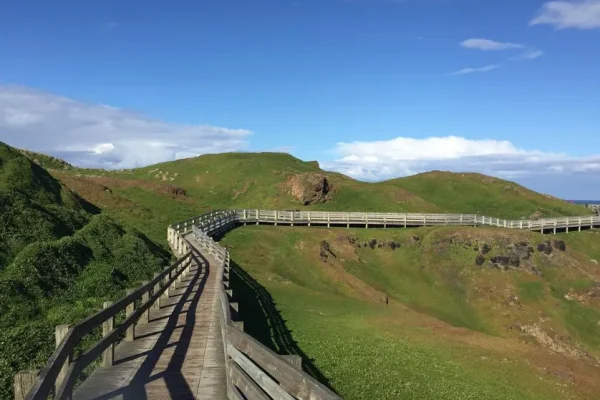
The Phillip Island Penguin Parade is the main attraction where you can see hundreds of Little Penguins waddle up the beach at sunset. You can view the penguins from specially designed boardwalks so you don’t disturb their natural behaviour.
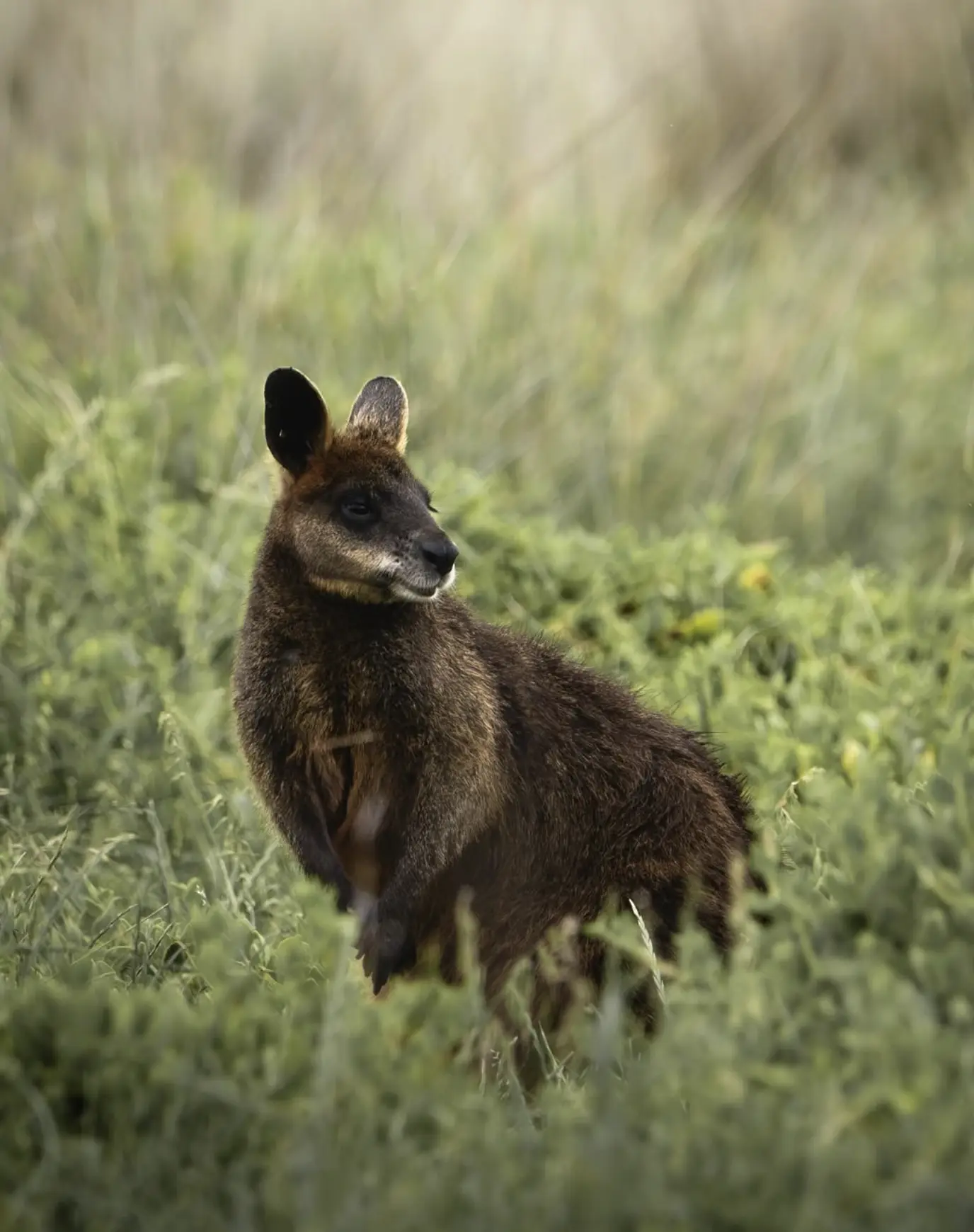
In addition to penguins, Phillip Island has many other native species, including koalas, kangaroos, wallabies and a large colony of Australian fur seals. You can also see many bird species, including pelicans, black swans and birds of prey.
Phillip Island is car accessible but there are also Phillip Island Bus services that offer convenient transport options. For specific wildlife tours like Seal Rocks or Churchill Island guided sightseeing tours are available.