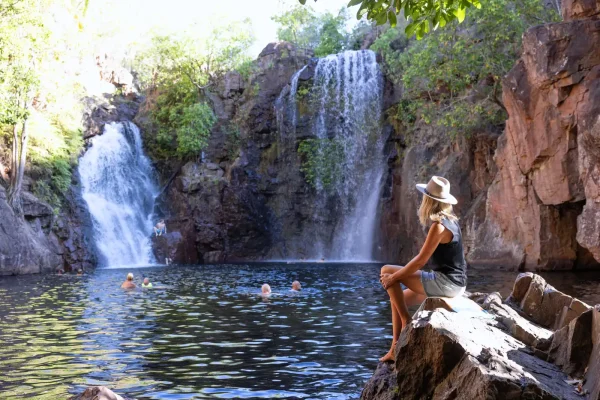
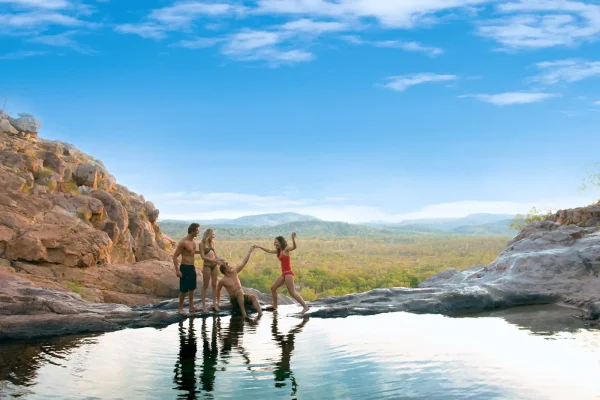
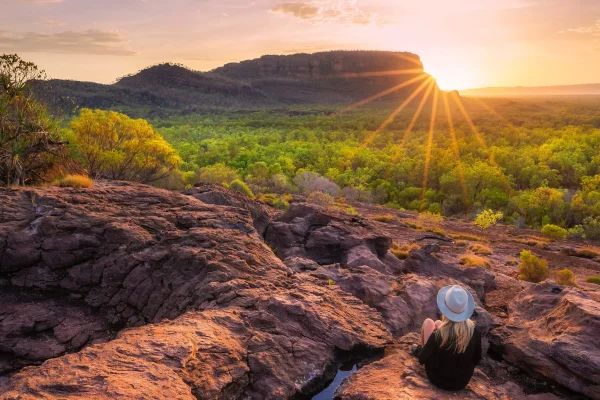
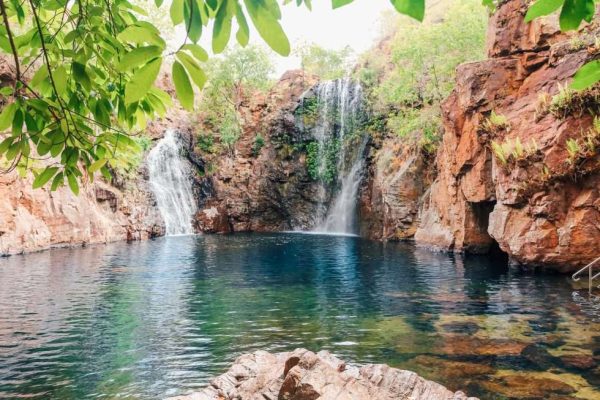
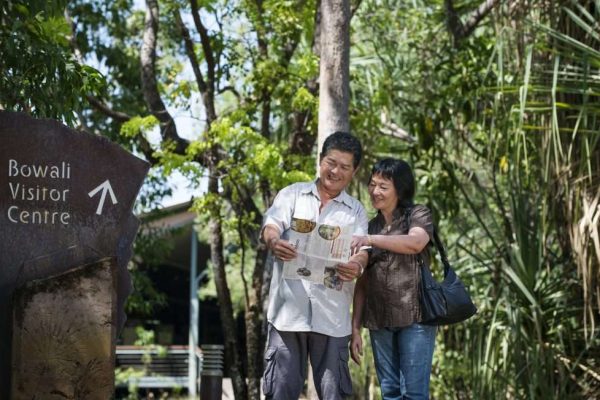
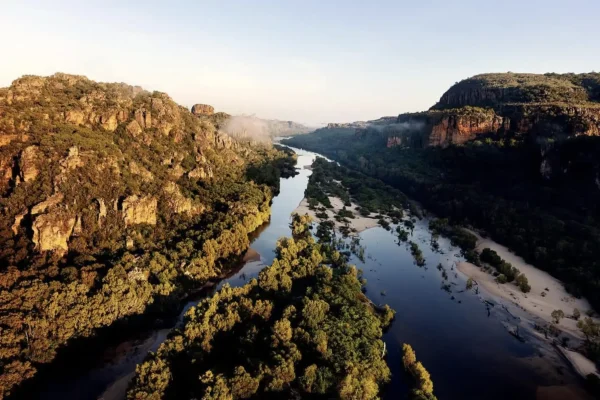
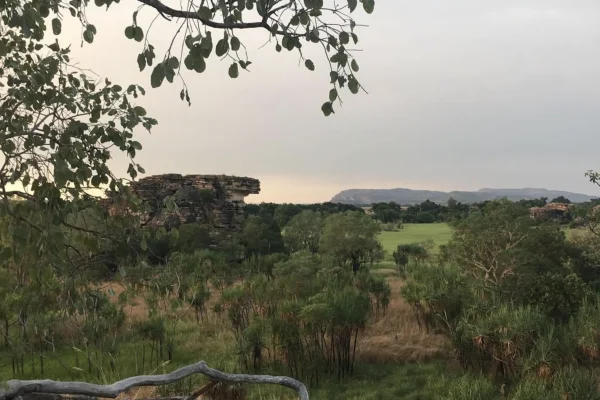
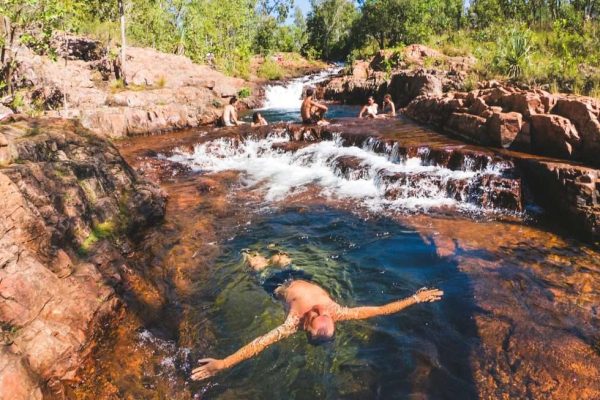
Located in the stunning landscapes of Kakadu National Park, the EastAlligatorRiver is a true marvel of Australia’s Top End. The East Alligator River is more than a pretty spot—it’s a doorway to the stories, landscapes and biodiversity of one of Australia’s most unique regions.
Table of Contents
Top End Wilderness
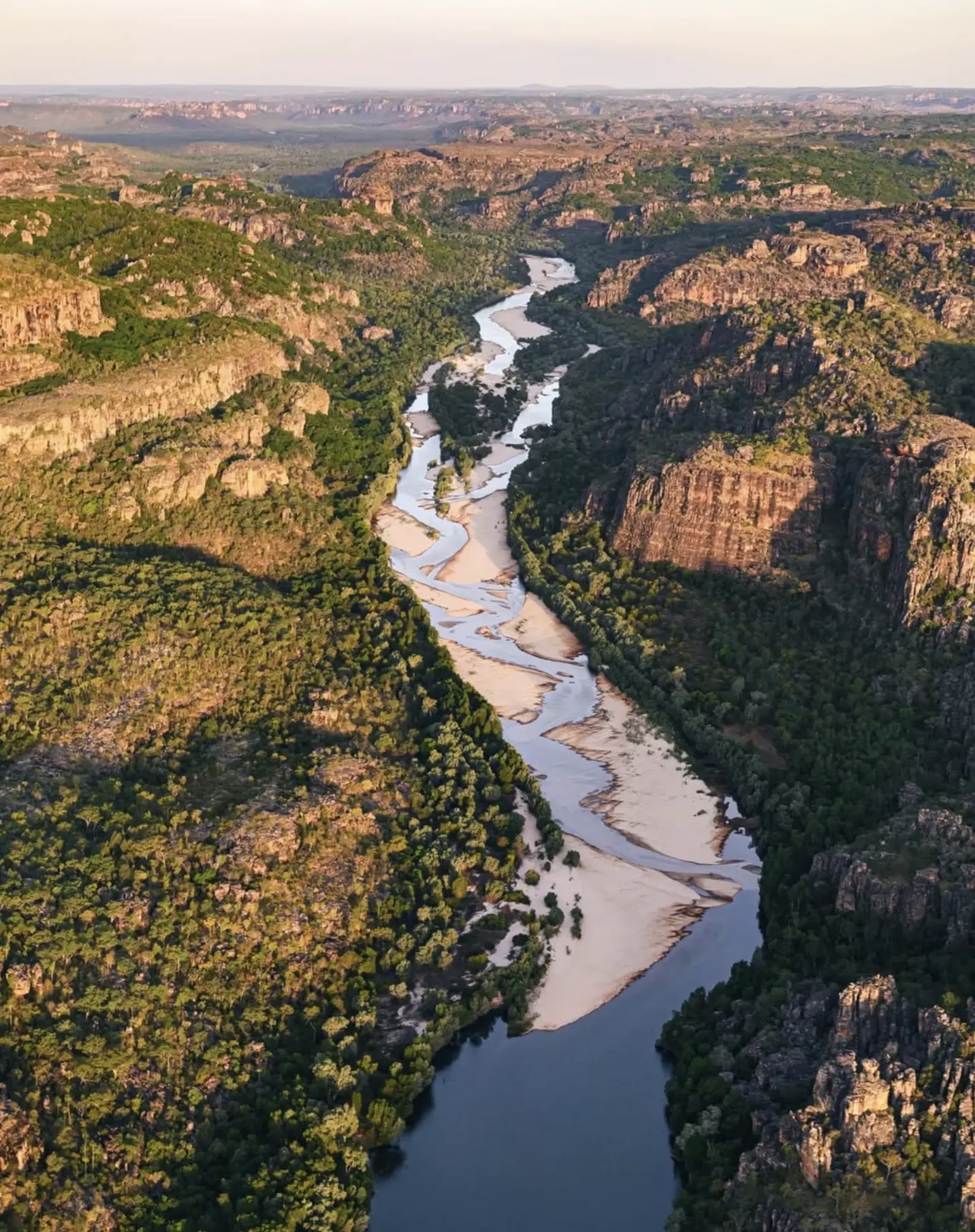
In the heart of Kakadu National Park, the East Alligator River is one of the big river systems that define the Northern Territory’s Top End. It flows through alluvial plains, mangrove swamps and floodplains teeming with life. This river has deep cultural significance for the traditional owners who have lived in this biodiverse region for over 65,000 years.
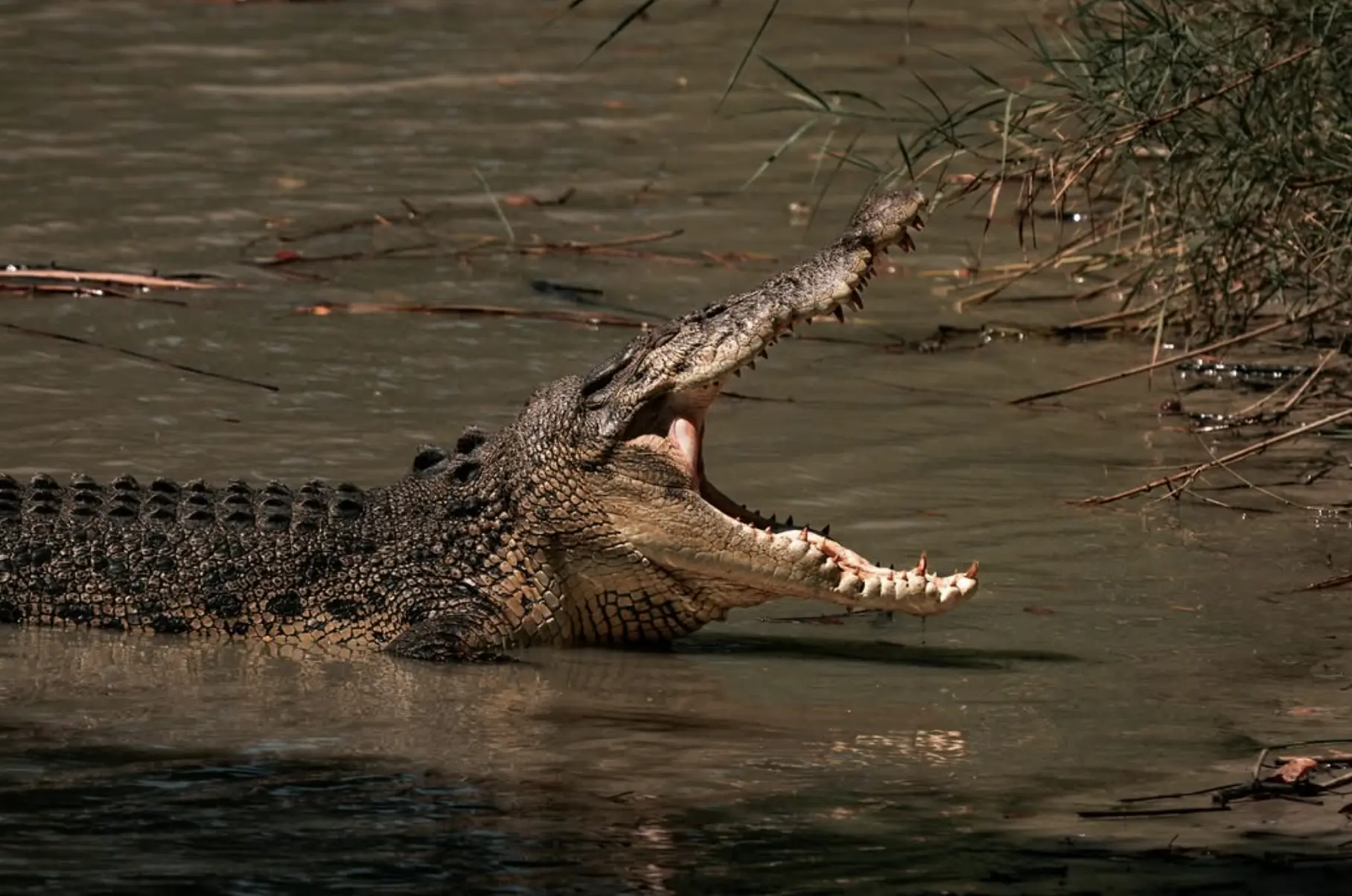
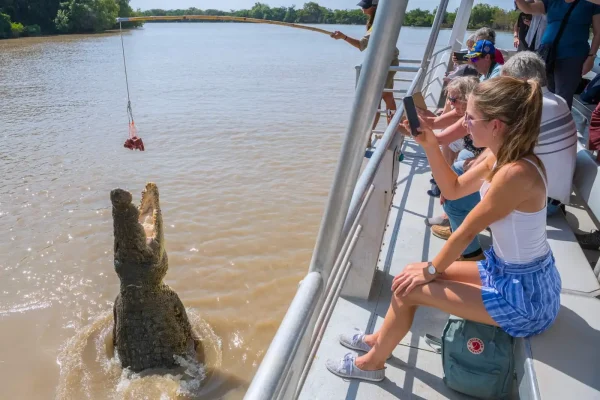
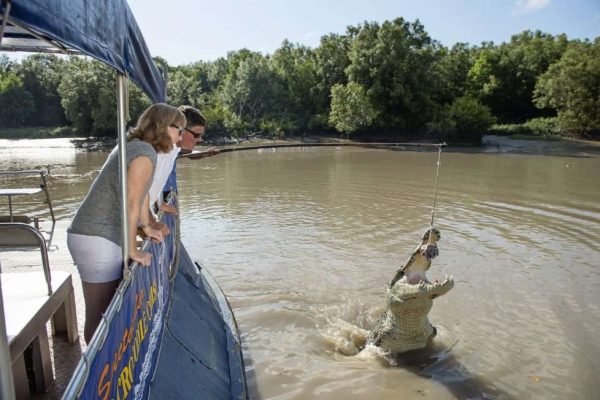
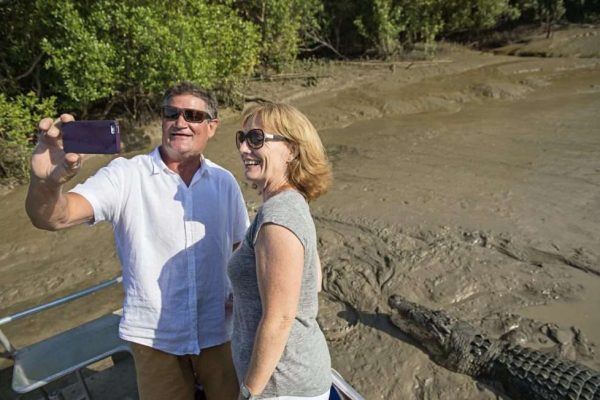
Despite the name, there are no alligators—only fierce saltwater crocodiles in its murky waters. The river is the border between Kakadu and Arnhem Land, a culturally rich area where special permission is required to access due to its importance to Aboriginal people.
Cultural Significance
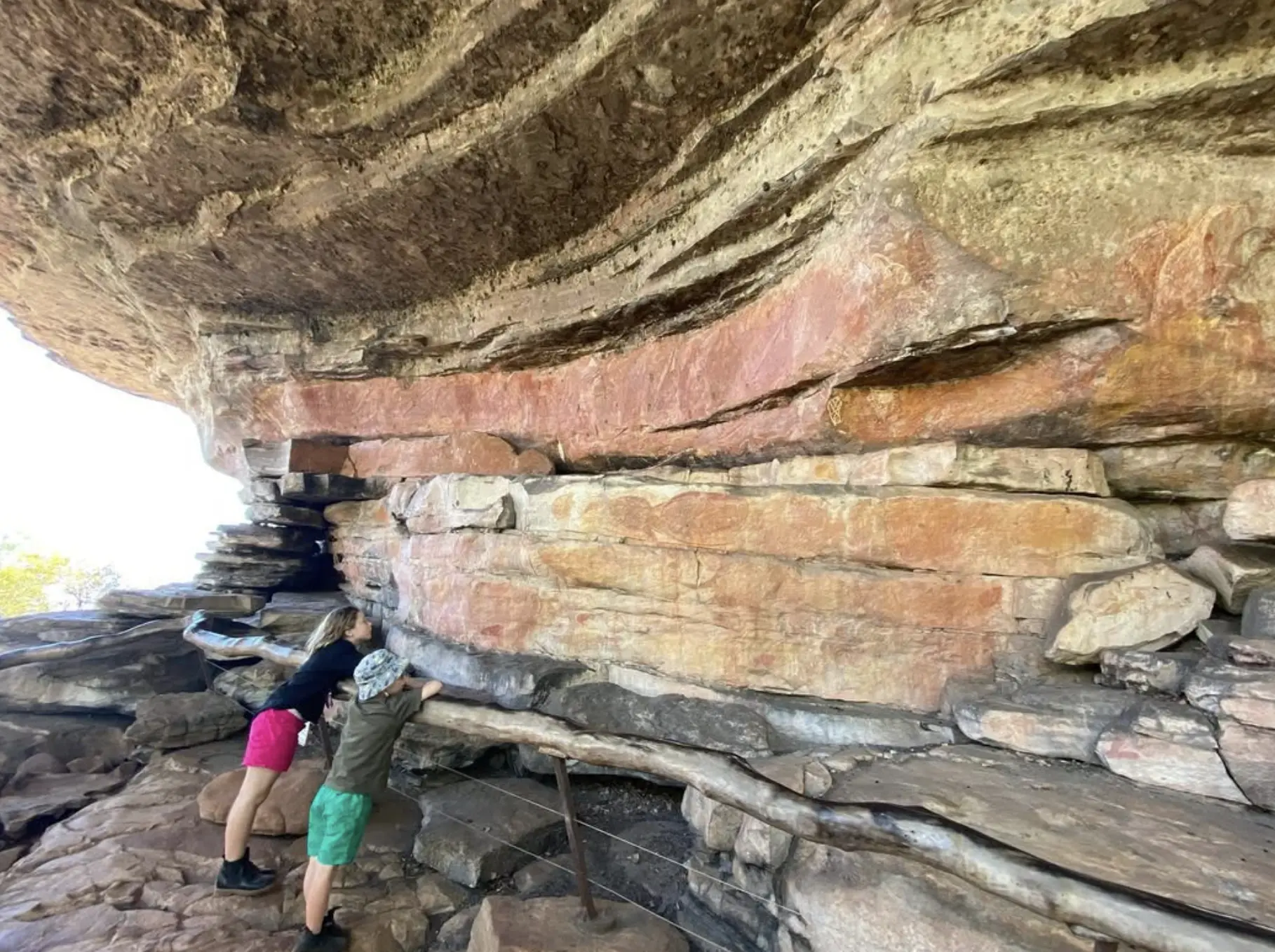
To the indigenous people of this land, the East Alligator River—known as Gulungul—is a sacred lifeline. Along its banks and beyond, you’ll find rock art galleries, rock caves and amazing rock art on rock walls telling stories of creation, traditional law and daily life.
These Aboriginal rock art sites—some in Ubirr Rock, Nourlangie Rock and nearby Magela Creek—are the best preserved Aboriginal rock art in the world with some artworks dating back 20,000 years or more.
You can learn about traditional hunting, gathering implements and even see animal bones near shelters once inhabited by Aboriginal people. These ancient rock galleries are one of the longest records of people living in harmony with the environment.
For access to Arnhem Land to Kakadu crossings, the Guluyambi Cultural Cruise—run by non-Aboriginal guides with Aboriginal partners—crosses the river with permission, talks about cultural issues and shows traditional practices.
Local Climate Guide
The East Alligator River has the Top End climate with two seasons: wet season (November to April) and dry season (May to October). The wet season brings thunderstorms and the river swells and floodplains are lush. The dry season is perfect for walking, wildlife viewing and river activities.
Temperatures are between 25°C and 35°C with high humidity in the wet season and more comfortable in the dry season. If you’re planning to travel or tour, understanding the seasons is key to getting the most out of your East Alligator River experience.
Cruises, Fishing & Wildlife Encounters
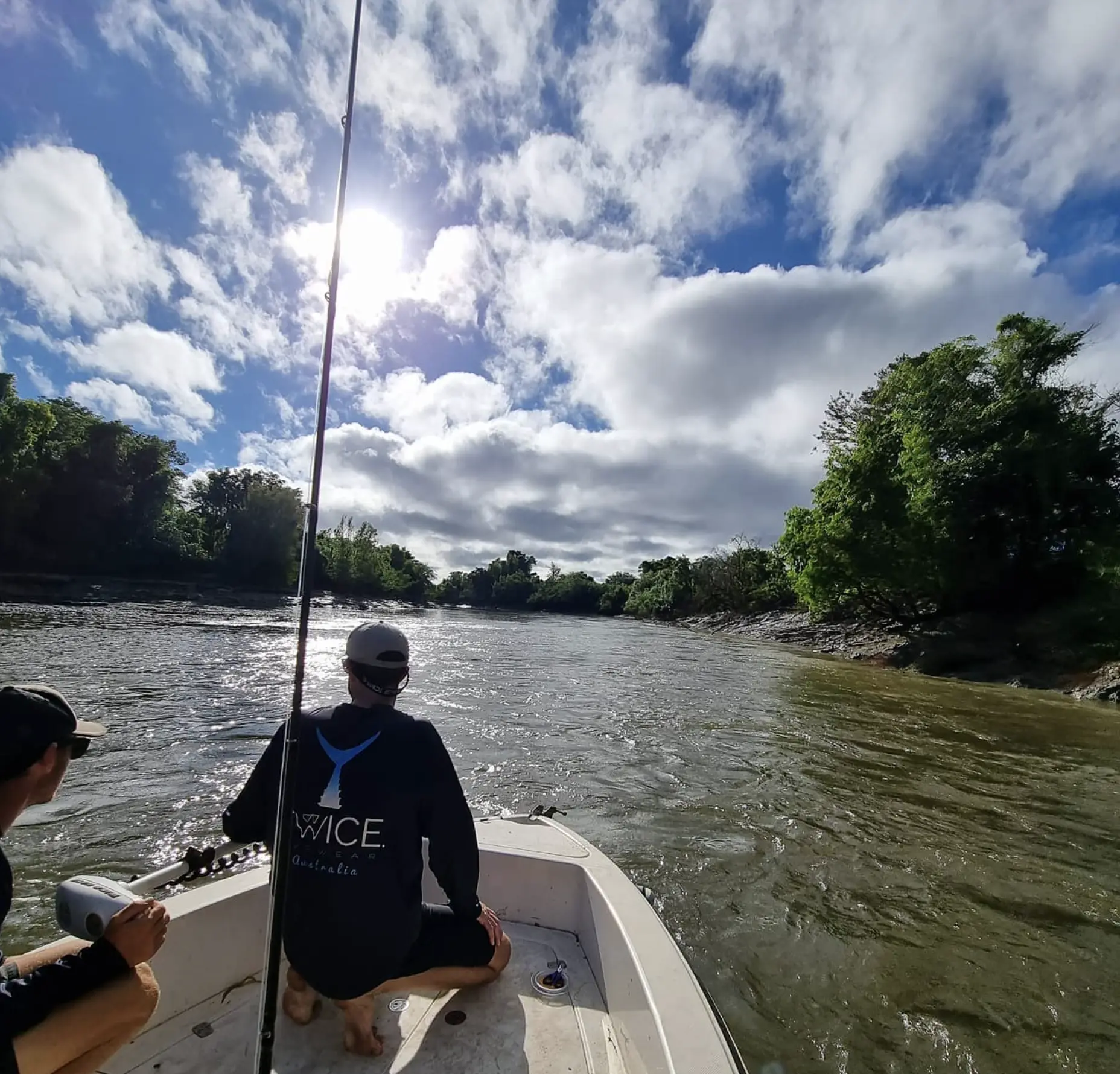
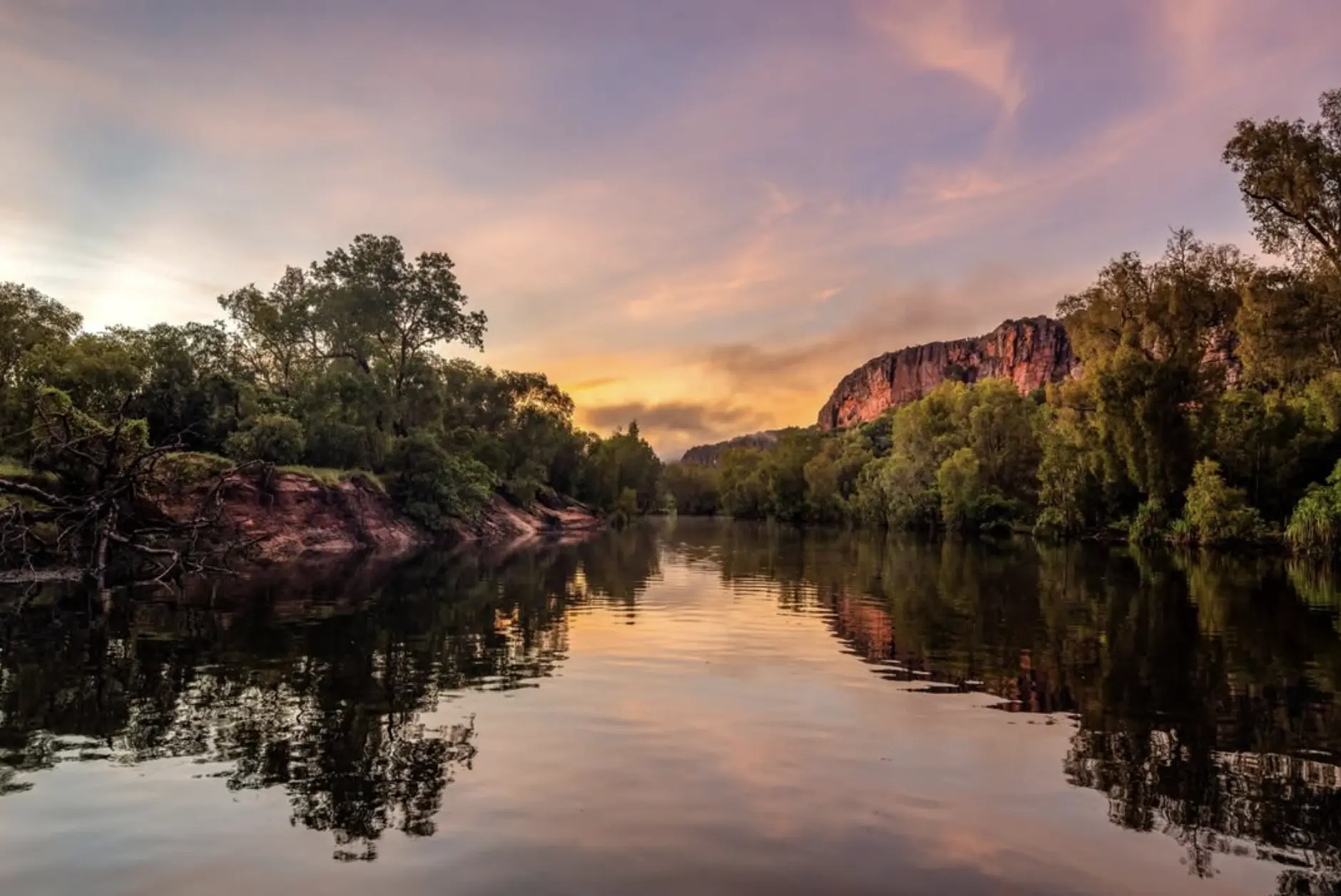
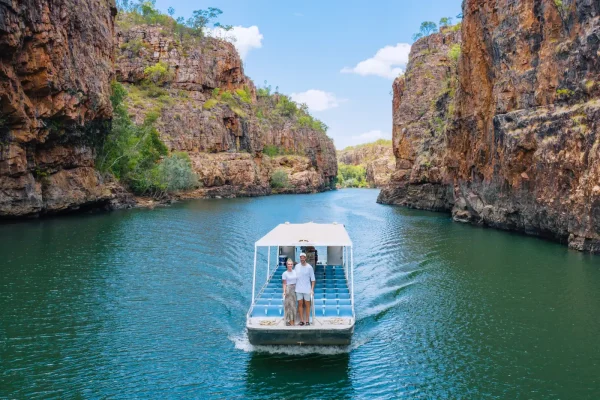
One of the best ways to explore the East Alligator River is by boat. The Guluyambi Cruise is a serene and exciting way to cruise through crocodile-infested waters surrounded by sandstone escarpments and paperbark forests.
Barramundi fishing is popular in the East Alligator River during the run-off season when the fish are most active. But always be croc-wise this is crocodile territory and safety first.
For the adventurous some guided tours can access the Arnhem Land side where you can learn about rock art sites, bush tucker and traditional hunting techniques from Indigenous guides.
Bird Species of the East River
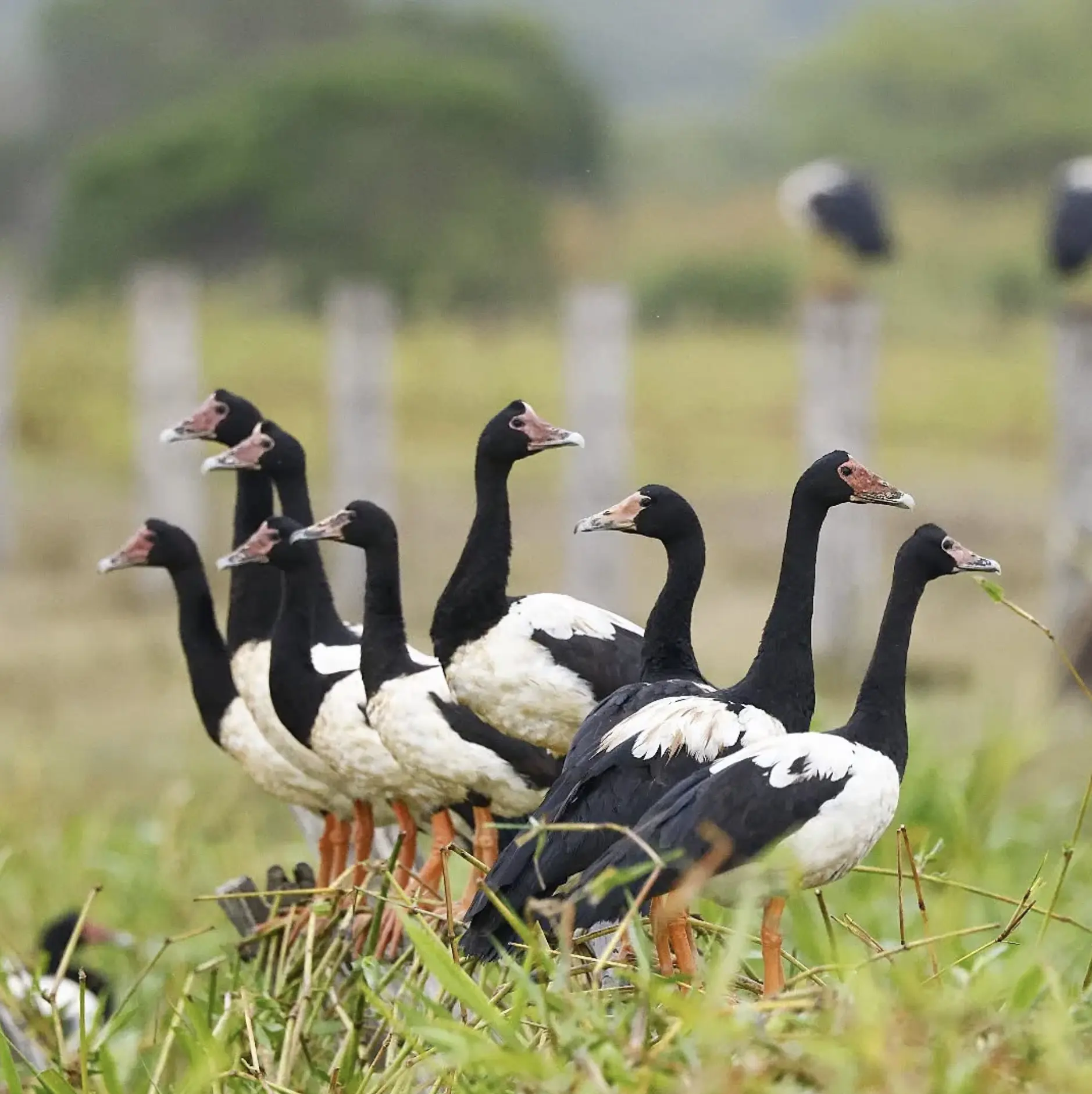
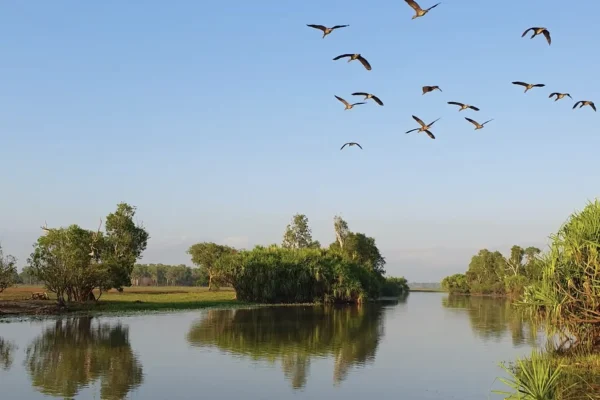
The East Alligator River like the Yellow Water Billabong is a bird lover’s paradise. The surrounding wetlands, mangrove swamps and open savannas are part of the Kakadu Bird Region with over 280 species.
Spot:
Magpie geese
White-bellied sea eagles
Brolgas
Jabirus
Rainbow bee-eaters
Bring binoculars and check local walking tracks to find the best lookout spots.
Best Hikes Near the River
Several walking trails to immerse yourself in the river and the surrounding landscapes:
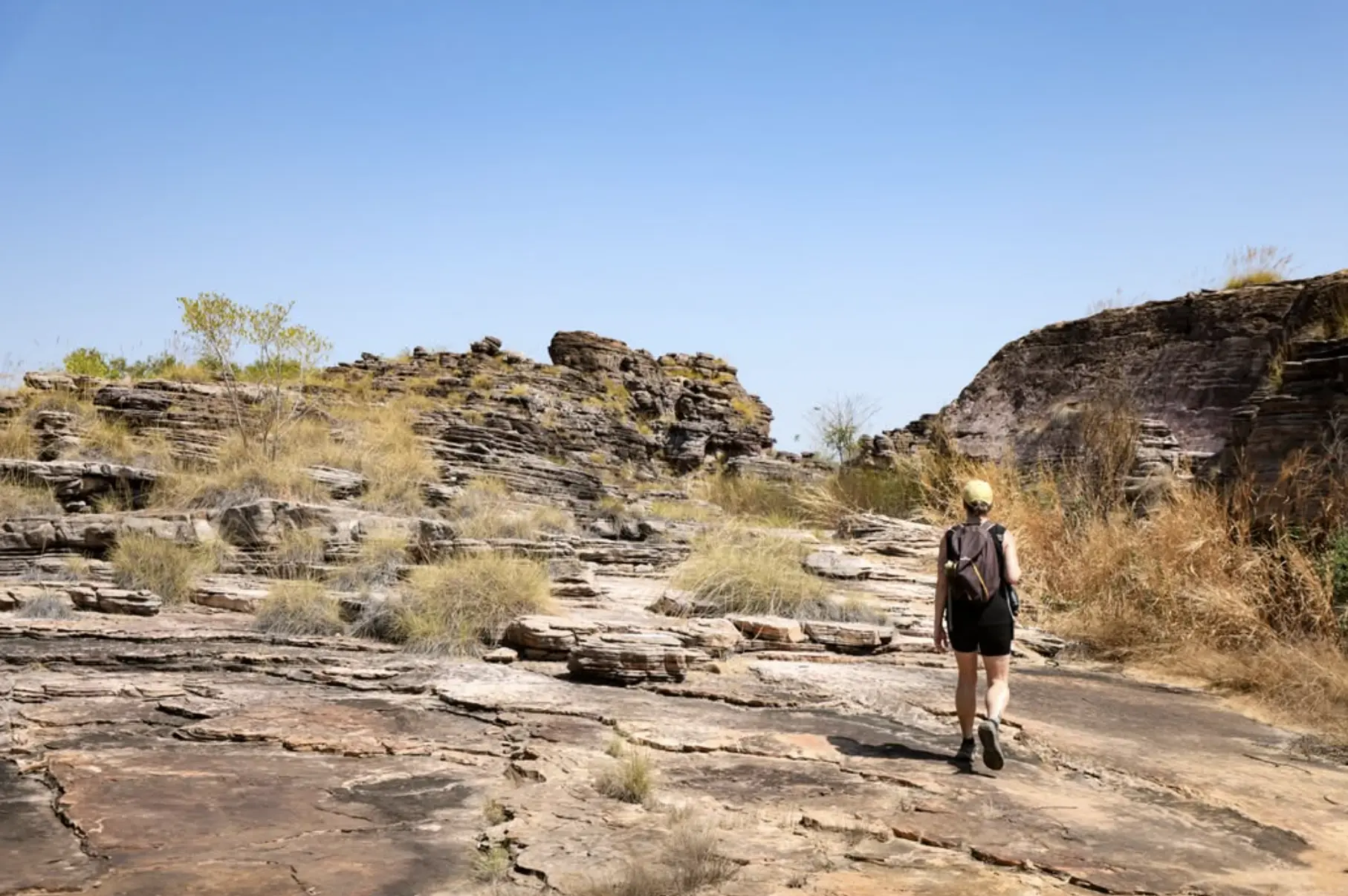
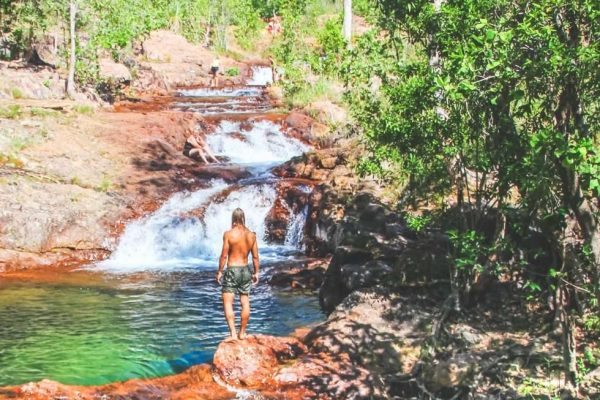
Bardedjilidji Walk: A short loop trail through sandstone rock formations, monsoon forest and open floodplain. Great for bird spotting and exploring caves.
Manngarre Rainforest Walk: A quiet walk along the riverbank into the monsoon forest.
Both walks from the Upstream Boat Ramp feature signs that explain the landscape and its environment.
Riverfront Campsites
Camping near the East Alligator River is one of the most wilderness experiences in Australia. Merl Campground is the main riverfront campsite and offers:
Shaded campsites
Basic facilities
Access to cultural tours and walks
For more comfortable stays, consider the nearby Mercure Kakadu Crocodile Hotel in Jabiru. It’s perfect for visitors from South Australia or interstate who want hotel-level amenities.
What’s On in East Alligator?
While the East Alligator River is remote, seasonal events and tours highlight its cultural and natural significance. Depending on when you visit you might catch:
Seasonal fishing tours
Ranger-guided talks and walks (dry season)
Art and culture tours to Arnhem Land
Wildlife photography workshops
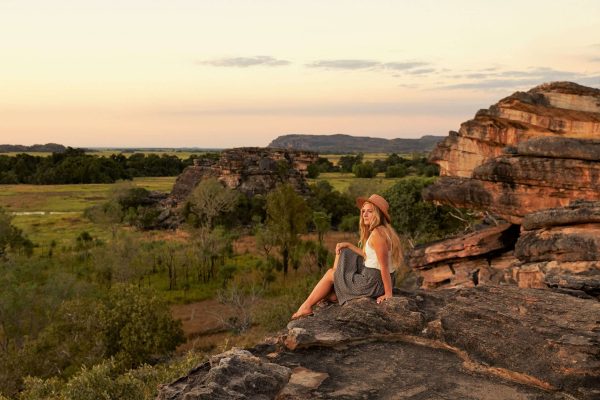
Ubirr also has sunrise and sunset gatherings during peak dry season months, attracting nature lovers and photographers from around the world.
Best Time to Visit
The best time to visit the East Alligator River is during the dry season (May to October) when:
The early dry season (May-June) is best for green landscapes, the mid-dry season (July-August) for cooler nights and wildlife encounters. Always check Kakadu National Park alerts for road and trail updates before you travel.