


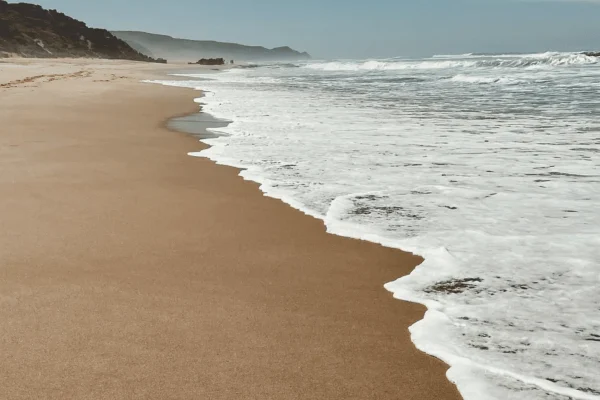
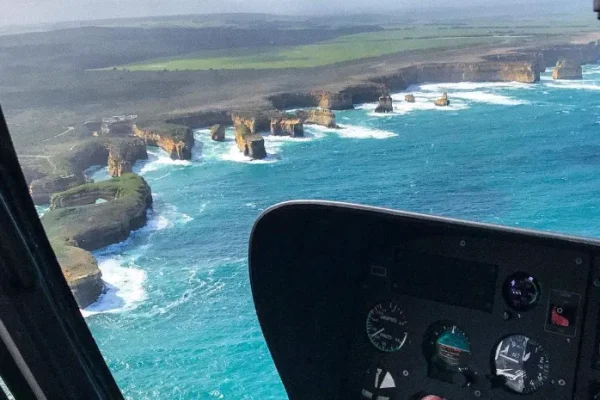
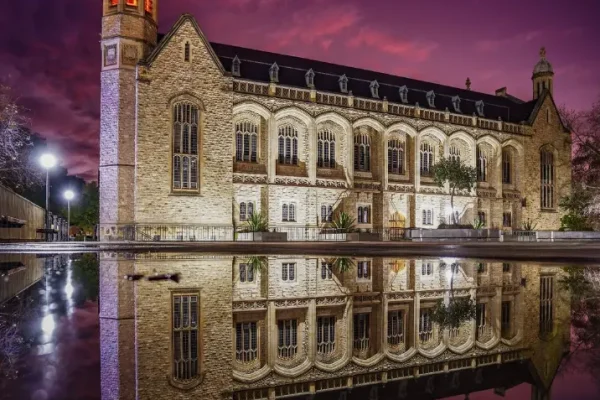
Join us on our 3 Day Melbourne to Adelaide Tour for an unforgettable overland journey through some of southern Australia’s most spectacular landscapes. Travel along the world-famous Great Ocean Road, where dramatic cliffs, coastal townships, rainforest scenery, and ocean views create the perfect road trip experience.
Over three incredible days, you’ll explore iconic natural attractions, discover the rugged beauty of the Grampians National Park, and enjoy plenty of chances to spot native Australian wildlife along the way. From breathtaking coastline to mountain lookouts and peaceful bushland, this tour is packed with scenery, adventure, and classic Aussie charm.
Perfect for travellers heading from Melbourne to Adelaide, this journey combines comfort, nature, wildlife, and unforgettable photo stops into one epic touring experience.

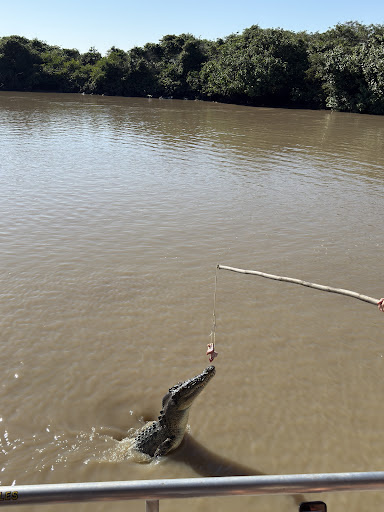
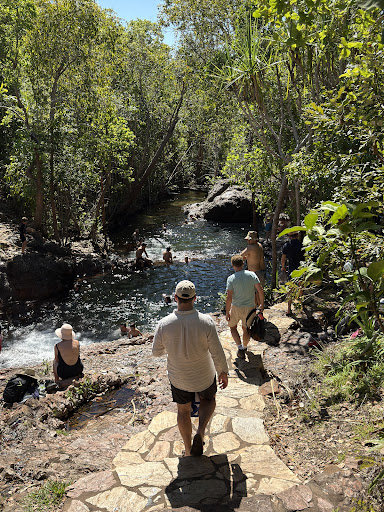


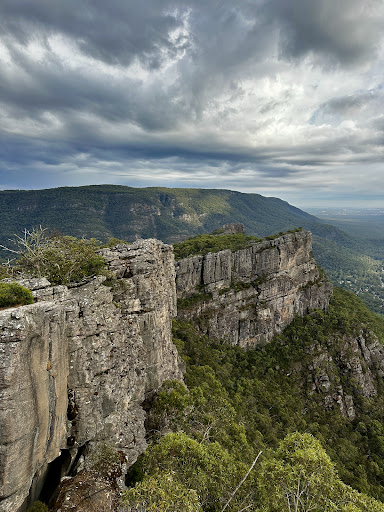
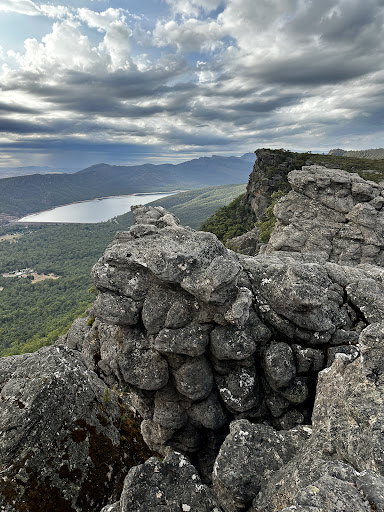
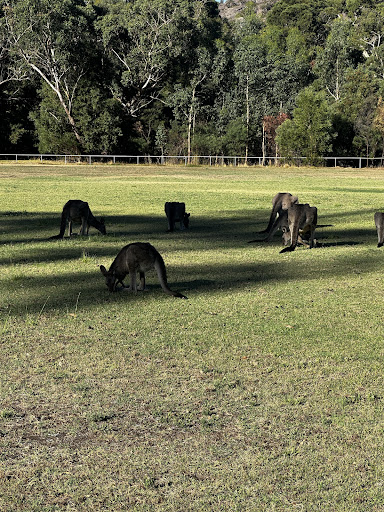
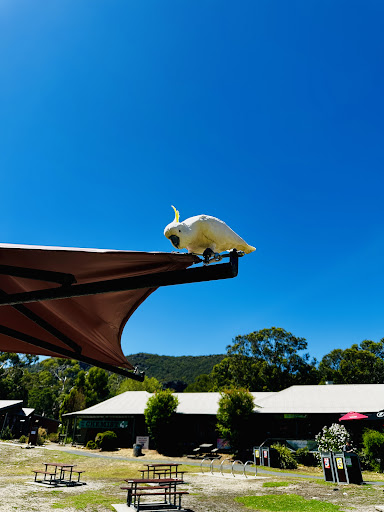
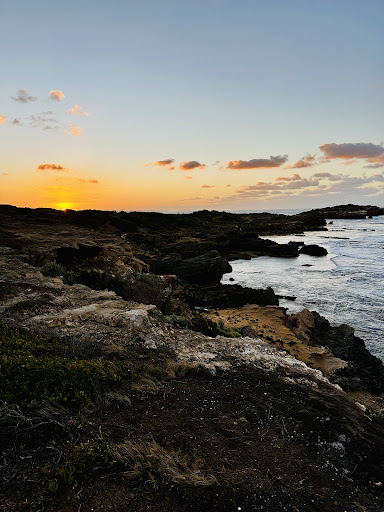
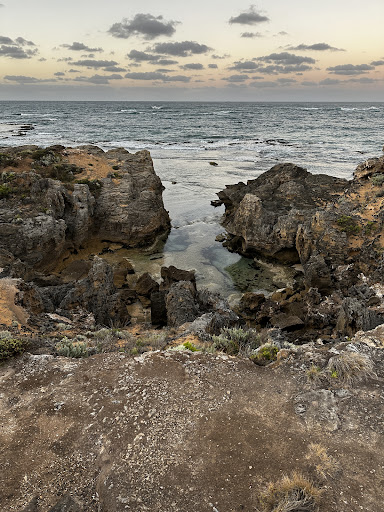
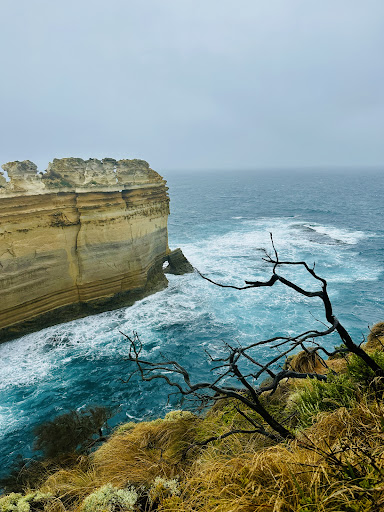
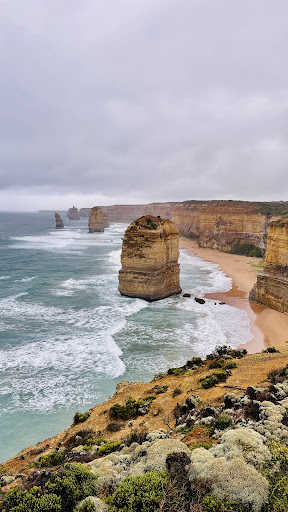


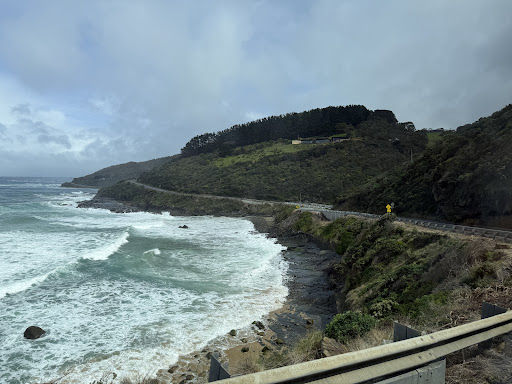
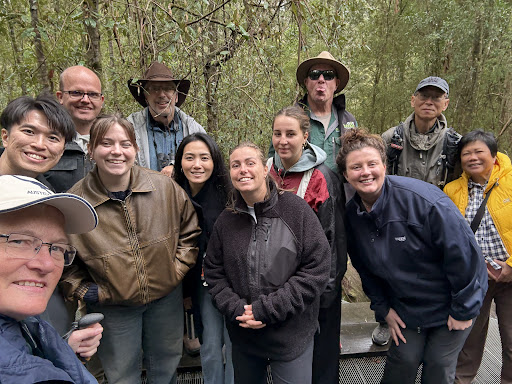
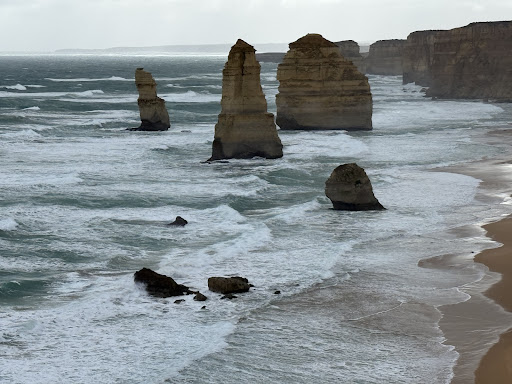
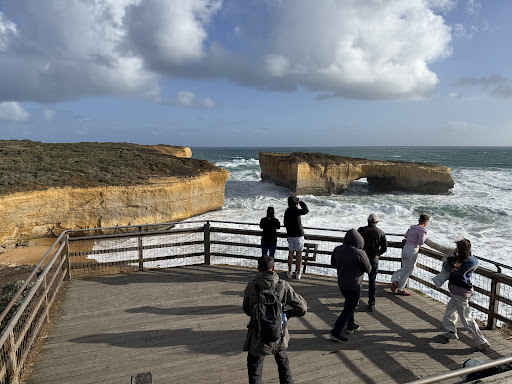
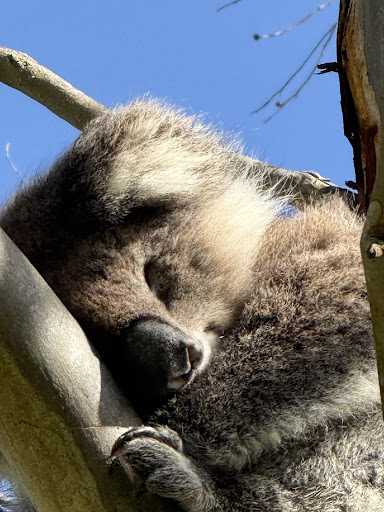
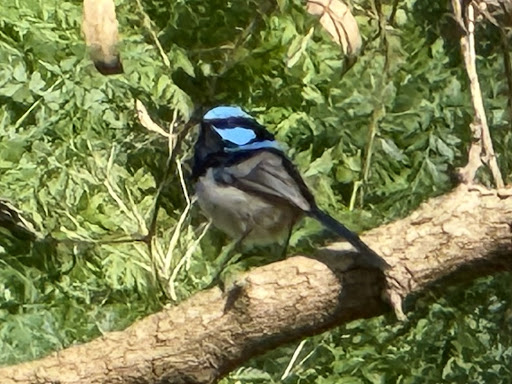
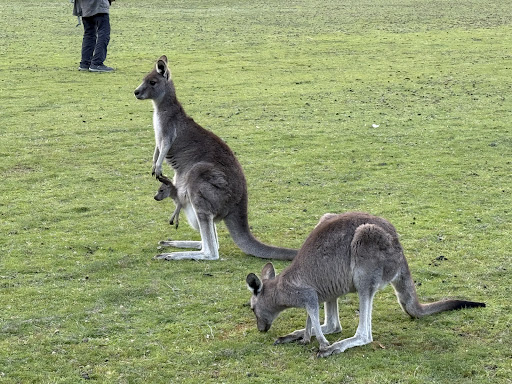
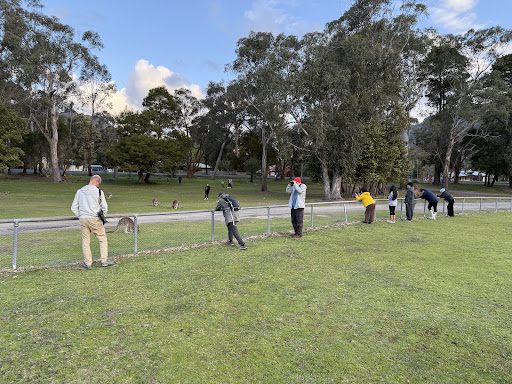
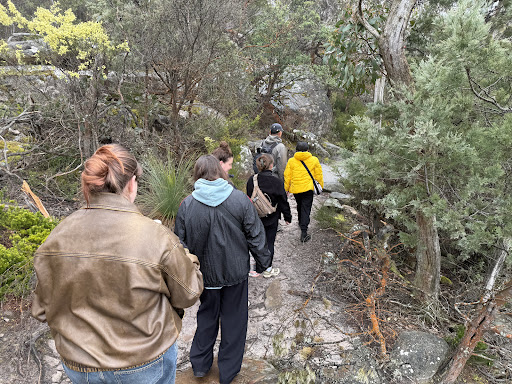
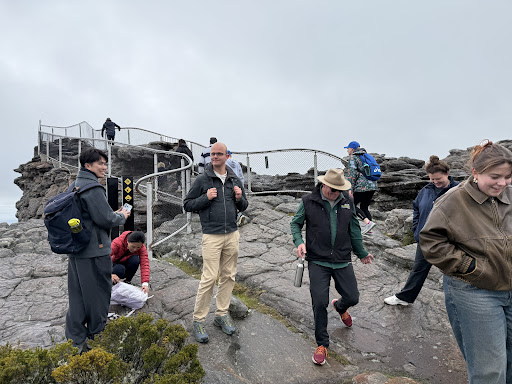
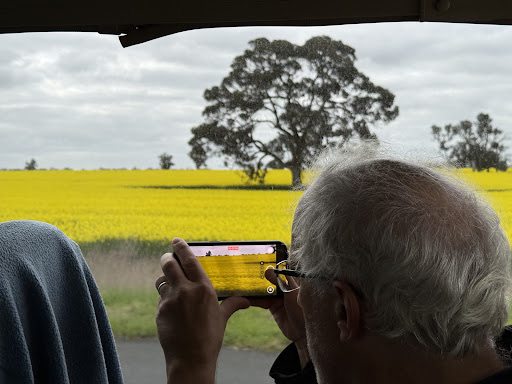
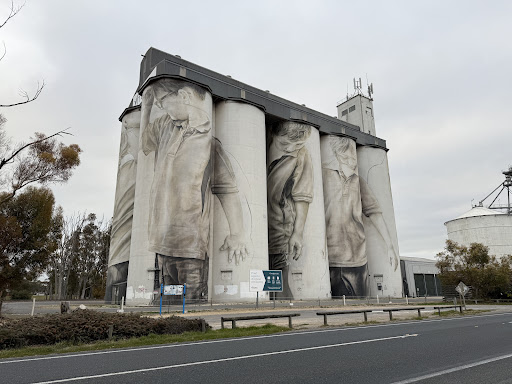

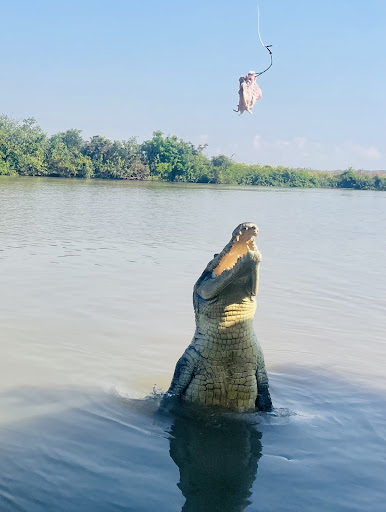
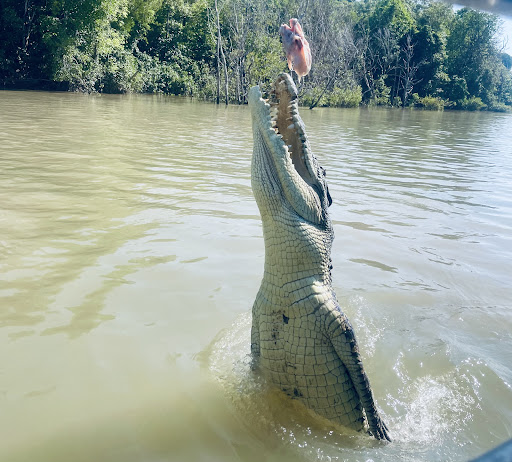

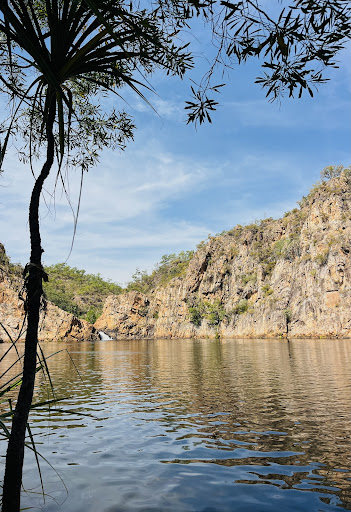
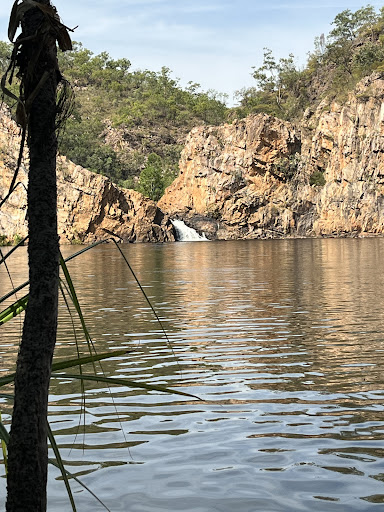
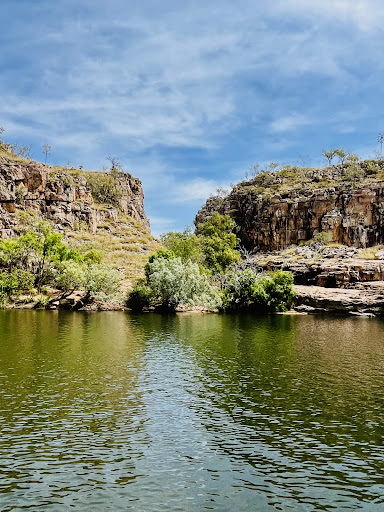
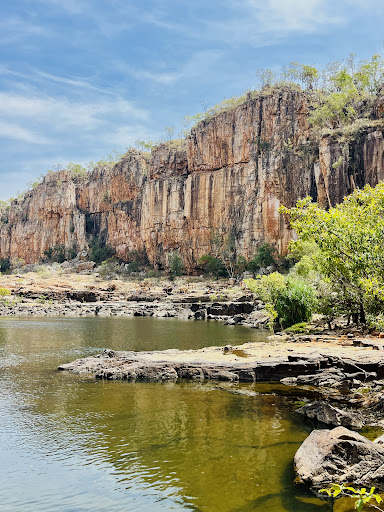
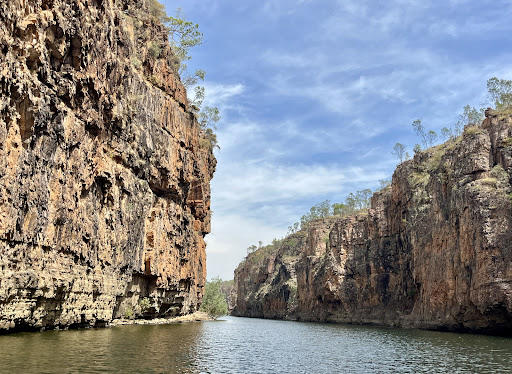
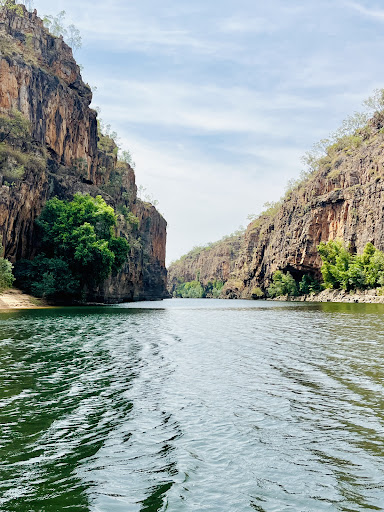
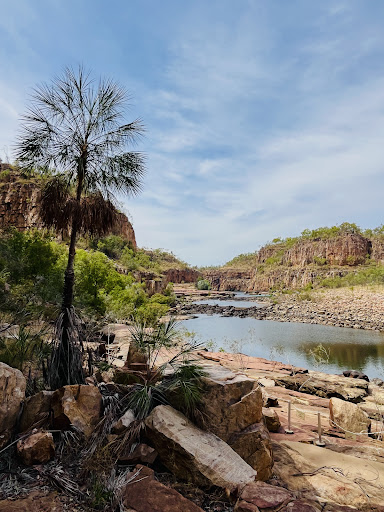
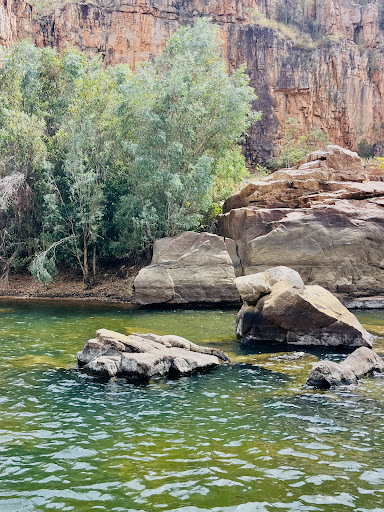
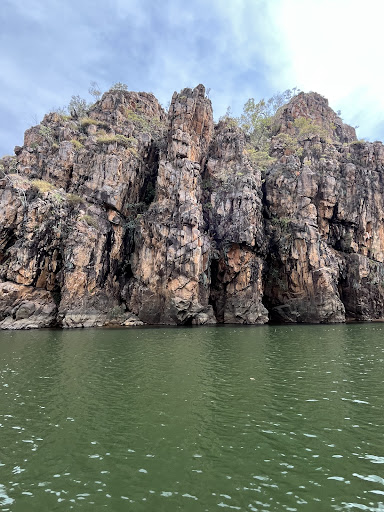
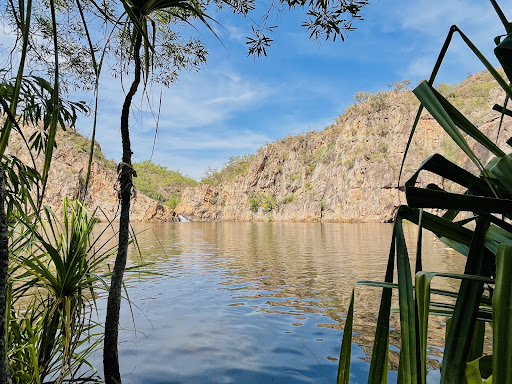
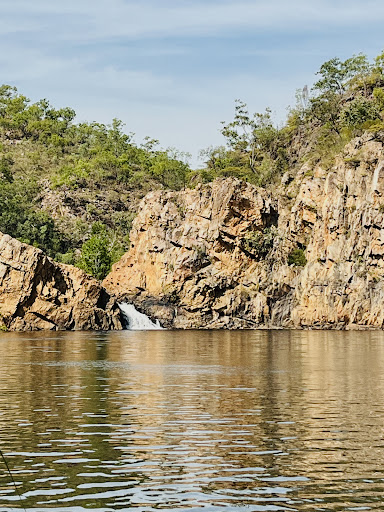
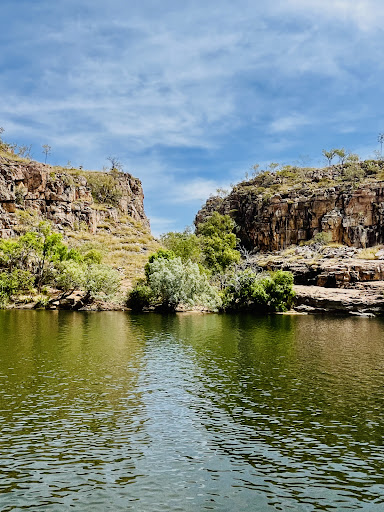
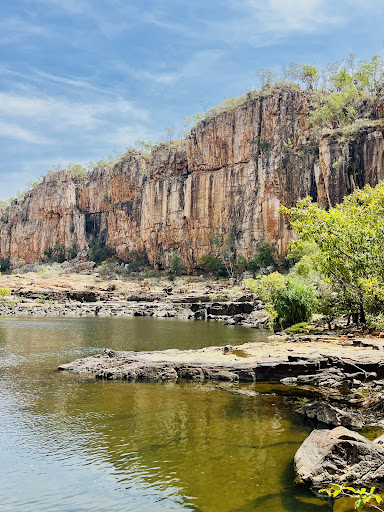
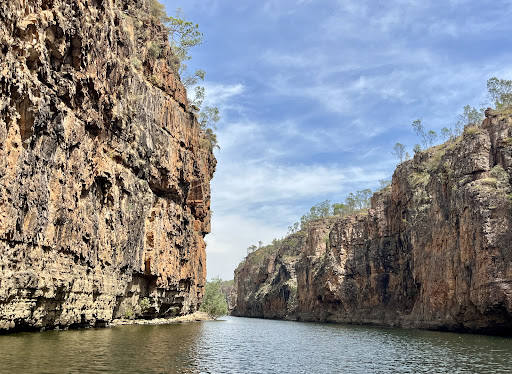
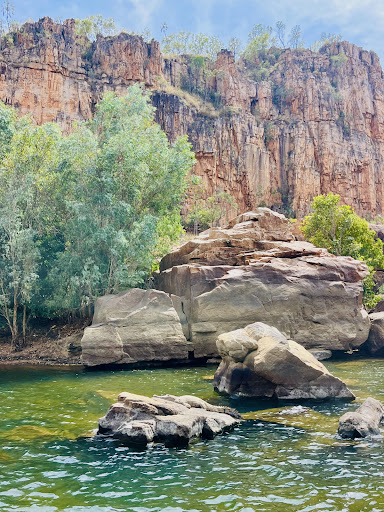


Our Melbourne to Adelaide Tour 3 Days exploring the Great Ocean Road and Grampians Tour is an exceptional showcase of the must-see highlights of Victoria’s best destinations. Combining these destinations into one tour with overnight stays will enable you to extend your time at each highlight maximize your experience. Your first night’s accommodation is located in Warrnambool at the end of the Great Ocean Road. Second night situated deep within the Grampians National Park at Halls Gap Surrounded by bushland and stunning mountain landscapes…
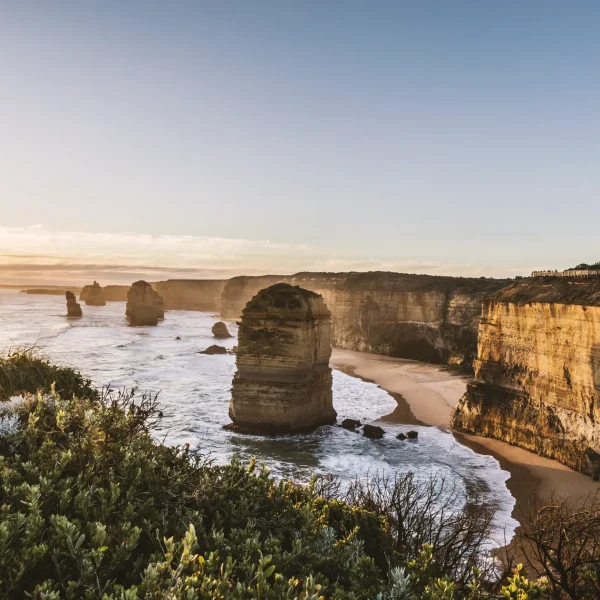
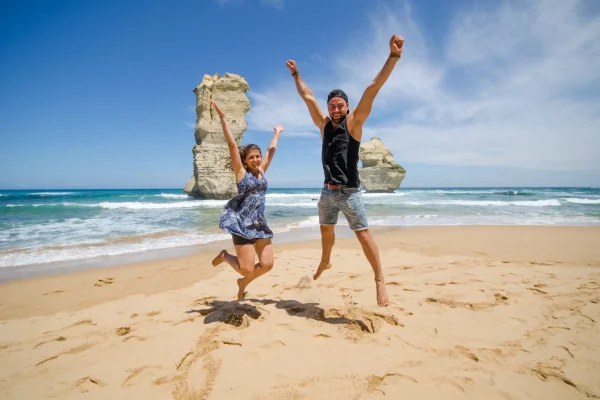
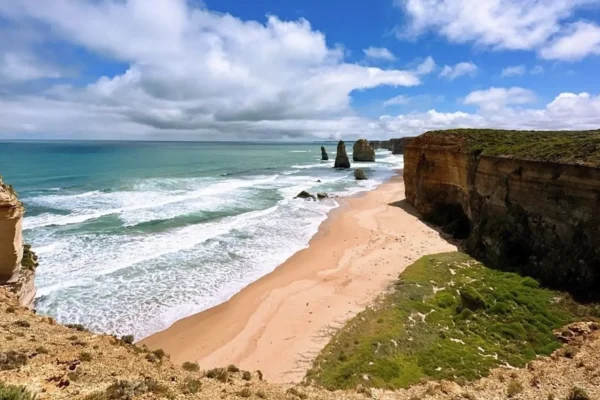
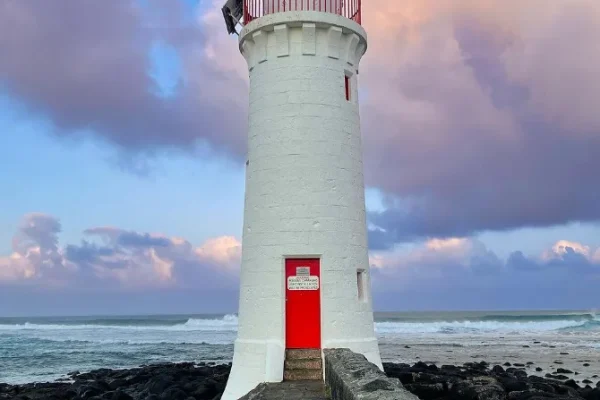
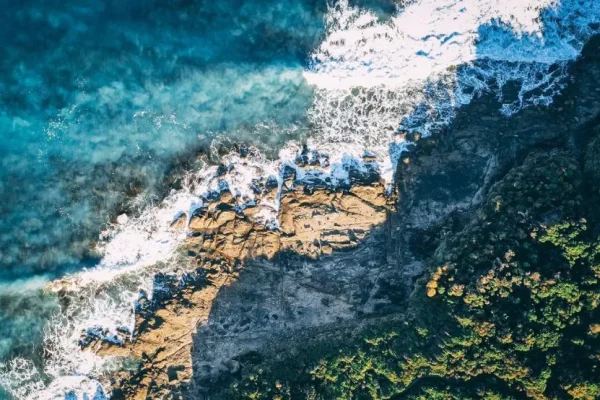
Start your 3-Day adventure by exploring the world famous Great Ocean Road with its stunning ocean views and surf beaches. Spot wild koalas along the way with a stop in the quaint seaside town of Apollo Bay for lunch, followed by a guided rainforest walk in the Great Otway National Park rainforest. Later, we visit the amazing shipwreck coast famous for the Twelve Apostles rock formation and Loch Ard Gorge. Overnight in Warrnambool.
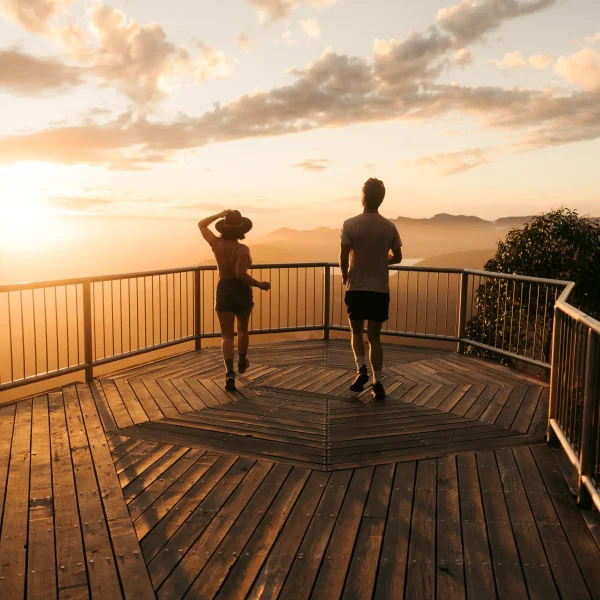
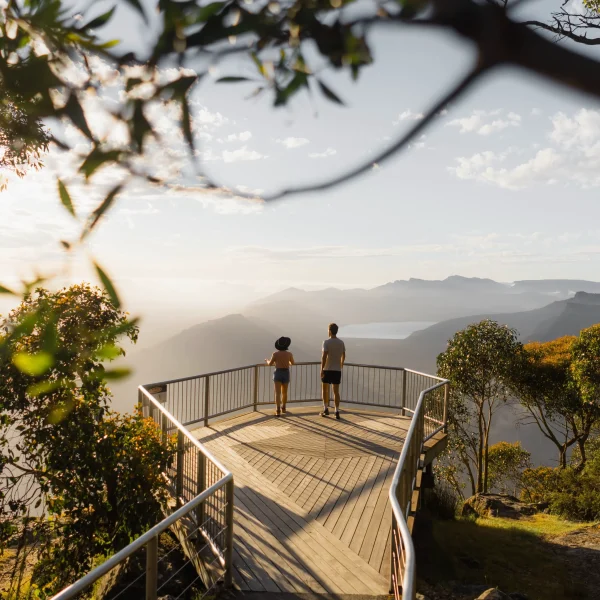
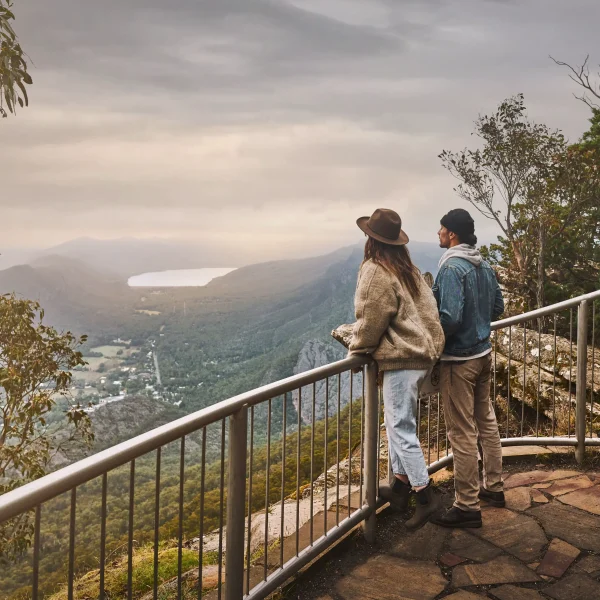
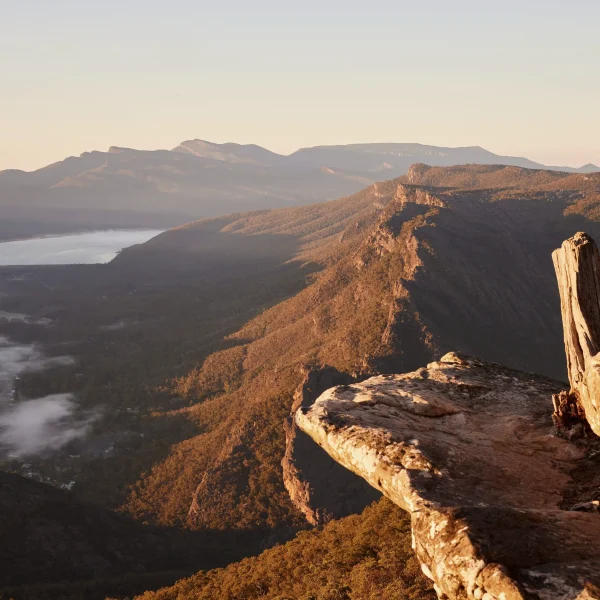
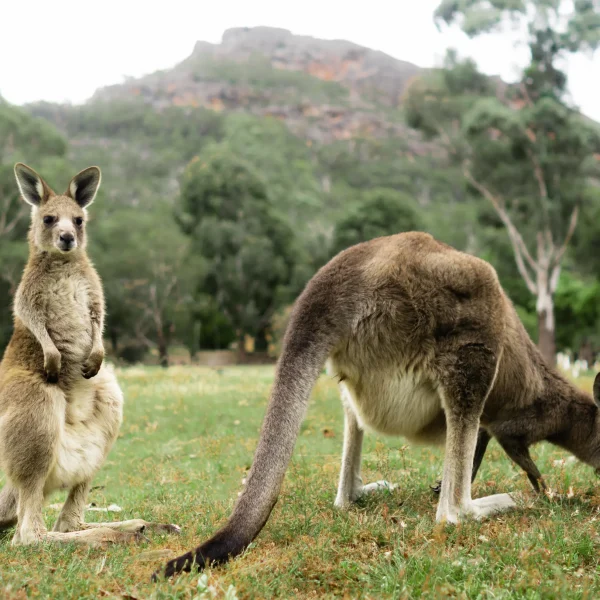
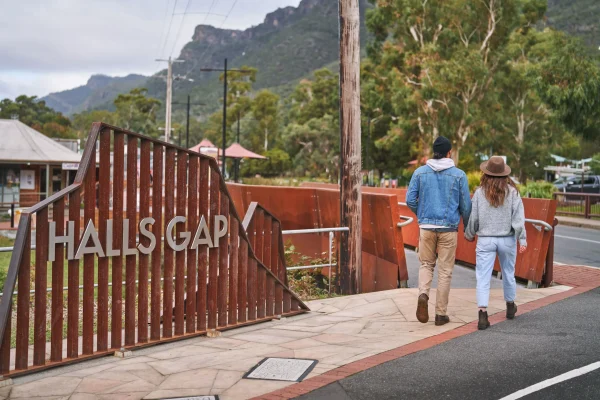
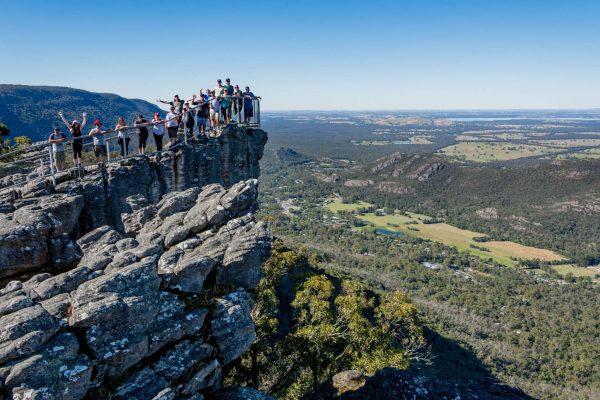
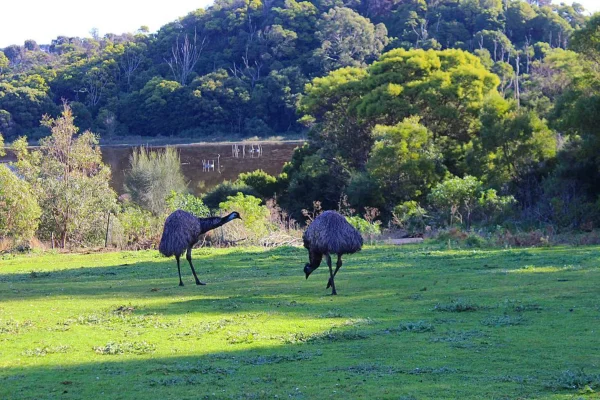
During the second day, you will have the opportunity to visit Tower Hill Conservation Wildlife Reserve, an extinct volcano that is rich in Aboriginal history and has a vast amount of wildlife, such as emus and kangaroos. From here we head north into the Grampians. In the afternoon we will take you up to the iconic Pinnacle lookout, which offers a panoramic view of the Grampians National Park for a delightful afternoon hike. Finish the day with a traditional Aussie BBQ at our overnight stay in Halls Gap.
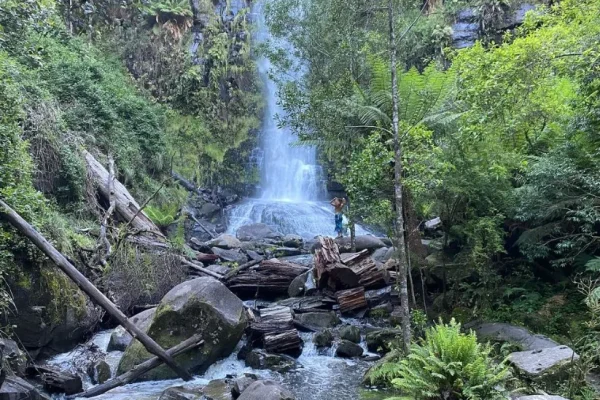
On the last day of our journey, we will start early in the morning to hike to the base of Mackenzie Falls, and then we will explore some other famous sites, such as The Balconies/Reeds Lookout and Boroka Lookout, which are among the most famous in the area. Following lunch, we head west away from the coastline and rugged mountains towards Adelaide, passing Dimboola Pink Lake and Nhill before crossing the South Australian border into Bordertown and arriving in Adelaide around 7:30pm.
COMPREHENSIVE PICKUP LIST
6:50 – Pullman Albert Park – 65 Queens Road Albert Park
6:55 – Pegasus Apartments Hotel – 206 A’Beckett St Melbourne
6:58 – Brady Apartment Hotel Hardware Lane – 388 Lonsdale St Melbourne
7:00 – Melbourne Marriott Hotel – corner Exhibition St & Lonsdale St Melbourne
7:00 – Nomads St Kilda Beach – 17 Carlisle St St Kilda
7:05 – Space Hotel – 380 Russell St Melbourne
7:10 – Grand Hyatt Melbourne – Russell St entrance Melbourne
7:15 – Windsor Hotel – 111 Spring St Melbourne
7:20 – Adina Apartment Hotel – 189 Queen St Melbourne
7:20 – Mercure Melbourne Southbank – 9 Riverside Quay Southbank
7:20 – Crown Towers – 8 Whiteman St Queens Bridge St, Southbank
7:25 – The Savoy Hotel – 630 Little Collins St Melbourne
7:30 – Pan Pacific Melbourne – 2 Convention Centre Pl South Wharf
7:30 – The Great Southern Hotel Melbourne – 44 Spencer St Melbourne
7:35 – Immigration Museum – 400 Flinders St corner Market St Melbourne
At Autopia Tours, we actively promote the protection of flora and fauna on our Western Australian Tours. It is our duty to ensure there is minimal disturbance to this World Heritage Listed region and the species that call it home. Cultural sensitivity and respect for traditional owners should also be shown at all times.
Part of our responsibility is educating guests on minimal impact practices and the importance of ensuring the safety of wildlife and the environmental sustainability of the destinations we visit.
Learn more about EcoTourism: https://www.ecotourism.org.au/
Traditional Owners
Autopia Tours would like to begin by paying our respects to the traditional owners of this country, with specific acknowledgement to the Wurundjeri people. Please be conscious and respectful of the sensitivities of indigenous culture and the spiritual connection they have with the land at all times.
Wildlife Encounters
The natural behaviours of wildlife are to be respected and not interfered with. When viewing wildlife, people should take care to avoid rapid or sudden movements, which could frighten the animal, and should keep noise to a minimum and refrain from touching, petting or feeding all wildlife including birds. Contact with people can introduce diseases to wildlife and can cause them to become aggressive.
Wildlife should not be handled or fed, unless by certified wildlife handlers. Feeding wildlife can alter their natural foraging behaviour and can lead to disease or illness through contact with people and the introduction of foods that are harmful to their digestive system. Feeding wildlife can also cause them to become aggressive toward people.
Wildlife that appears to be in distress, injured or in danger should be reported immediately to the appropriate authority, such as your Guide/Tour Leader, a National Park Ranger or Visitor Centre Staff.
Protecting our National Parks
People should remain on designated walking tracks, behind safety barriers/fences and follow all directions given by the guide/tour leader. Venturing off these can alter fragile ecosystems and can harm wildlife shelters and native vegetation. There are other dangers to be aware of too, such as cliff edges, unstable rock formations, overhanging tree branches and slippery ground cover. Remaining on tracks ensures safe visitation for guests and the environment.
No flora or fauna should be removed from their natural setting. This includes dead wood, fallen leaves, flowers and so forth, as they form part of the ecosystem of the region and their removal could cause a disturbance.
Waste Management
All buses are fitted with waste bins. No organic waste should be disposed of onto the ground. Although organic, items such as banana peels, apple cores, bread and other food scraps, are not natural/native to the region and can introduce pest species, diseases or harm to wildlife if found and eaten. We recommend all passengers bring a water bottle with you on our Grampians Tour. Purchasing bottled water contributes large amounts of plastic into the landfill. Therefore, we ask guests to bring their own bottle, as there is access to water refill stations available on our vehicles. Please ensure you stay hydrated throughout the tour to reduce the risk of sun exposure and dehydration.
First Aid
All our guides carry a current Level 2 First Aid certificate. Please report any accident or illness to your tour guide. We recommend anyone with an existing medical condition to carry their medication with them on tour and to notify their tour guide at the beginning of the tour.
If you are a smoker! We ask you to refrain from smoking whilst in the company of other passengers and limit it to designated smoking areas. Smoking is not permitted on any of our vehicles, or in any type of accommodation including permanent campsites. We make frequent ‘comfort stops’ to allow free time for guests but cannot guaranteed smoke breaks. Please ensure you dispose of your cigarette butt responsibly and appropriately.
IMPORTANT INFORMATION
Mandatory Details: Passenger details are required at the time of booking, including date of birth, food allergies, title or gender for rooming configuration, and a contact phone number.
Dietary Requirements: While we endeavour to cater to most dietary needs, passengers must inform their booking agent of any specific dietary requirements when booking. There are limited options once the tour departs, so prior notice is essential.
Medical Conditions: The tour operator must be notified of any known medical conditions at the time of booking. Guests must be able to walk unaided for 2 to 3 hours at a time.
Fitness Level: A minimum moderate to advanced level of fitness is required for walks, which can be up to 3 km in length over steep and rocky terrain, often in direct sunlight. Walks will be conducted at the guide’s discretion to ensure guest safety. A doctor’s certificate is required for participants over 75 years old, submitted at least 30 days prior to travel.
Age Restrictions: Children aged 6 to 17 must be accompanied by an adult or legal guardian at all times and are required to stay in private twin rooms. The tour is not suitable for infants or children aged 5 and under.
Fare Type Accommodation Options:
Basic Shared Accommodation (MA3-B) is restricted to Adults only 18+ years and over, as travellers stay in shared bunk bedrooms with communal bathrooms. Not suitable for children.
Private Double/Twin Room (MA3-S) is for Adults and Children, staying in a double or twin room with ensuite bathroom and must be purchased by Qty2 people staying together.
Private Single Room (MA3-P) is restricted to Adults only 18+ years old and over with ensuite. Room upgrades are subject to availability at the time of booking.
Mobility Considerations: This tour is not suitable for mobility-impaired travellers, including those using wheelchairs, walkers, prams, or strollers.
Baggage Limitations: Limited storage space is available on our vehicle. Each traveller may bring 1 x 23 kg travel bag given they are travelling in a one-way direction and 1 x 5 kg day bag. Please advise if you are traveling with additional or oversized luggage.
Itinerary Variations: Itineraries and touring routes may change to adapt to seasonal conditions, park closures and changes in road conditions. Safety is our top priority, and we plan accordingly to ensure the best experience for our guests.
All bookings are made with Get Lost Travel Pty Ltd (ABN 94 143 929 962).
By making a booking, you agree to be bound by these Terms & Conditions.
Your booking is considered confirmed upon receipt of your booking confirmation
and/or invoice.
These Terms & Conditions are valid from 1 August 2025 until 31 March 2027,
though dates and itineraries remain subject to change at any time.
Accredited Bus Number: AC003612.
All bookings must be confirmed within 72 hours of departure via email to
[email protected]
Please ensure you:
We are not responsible for passengers who fail to review this information
prior to travel.
To confirm your booking, you must provide:
Please see our Privacy Policy for information
on how we manage your personal data.
Please advise us at the time of booking or no later
than 7 days before departure of any:
We will do our best to accommodate but cannot guarantee
all requests, especially in remote regions.
We recommend bringing your own snacks for special dietary needs.
We strongly recommend all travellers obtain
comprehensive travel insurance at the time of booking.
Insurance should include cover for:
Travel insurance is mandatory for all Comfort Style Tours.
Proof of cover will be requested before departure.
If you do not provide adequate cover,
you may be refused travel and cancellation fees will apply.
If relying on credit card insurance,
please bring policy number,
insurer’s name and emergency contact details.
Spring and autumn provide optimal weather conditions for this tour. However, this tour is operated all year around, as each season provides a unique experience.
On this tour we offer the options for private rooms with ensuite bathroom, or you can choose shared accommodation with shared facilities. Each option offers a comfortable stay, catering to different preferences and budgets. We stay overnight in Warrnambool on the first night and in Halls Gap on the second night.
When packing, consider the weather and bring essential items such as comfortable walking shoes and a camera for capturing memories.
The tour includes guided visits to attractions along the Great Ocean Road and Grampians National Park, two-night accommodation, some meals, and transportation from Melbourne to Adelaide.
There are two breakfasts and two dinners included in this tour. For the other meals we will make a stop along the way where there are plenty of options to support local business and purchase food there.
The tour includes moderate physical activity, such as walking and hiking. Participants should have a decent fitness level to thoroughly enjoy the activities on the tour.